






Zambia has reaffirmed its commitment to regional cooperation and the sustainable management of Lake Tanganyika following the successful conclusion of the 12th Ordinary Meeting of the Lake Tanganyika Authority (LTA) Conference of Ministers held in Dar es Salaam, Tanzania. The meeting brought together representatives of member states to discuss conservation priorities, environmental challenges and strategies for protecting one of Africa’s most important freshwater ecosystems. Zambia used the occasion to emphasise the need for stronger cooperation among countries sharing the lake and greater commitment to implementing regional conservation agreements. The country’s position reflects growing concern over environmental pressures affecting Lake Tanganyika, including rising water levels, pollution, biodiversity loss and climate change. Zambia has also stressed that protecting the lake is essential for sustaining the livelihoods of millions of people who depend on its resources for food, income and other economic activities.
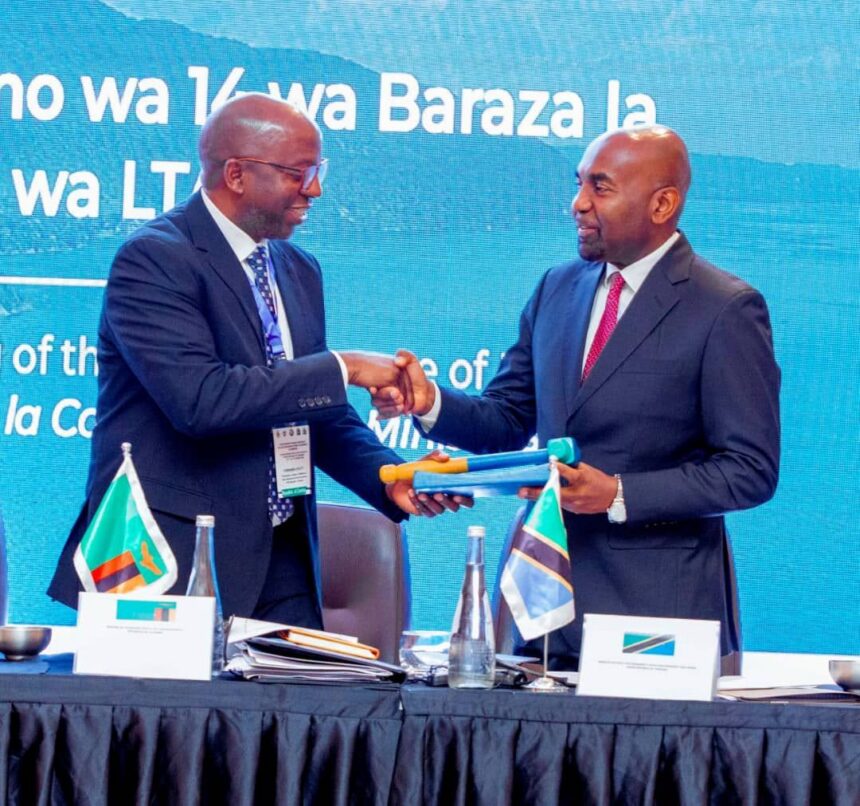
Speaking during the closing session on 30 October 2026, Permanent Secretary in the Ministry of Green Economy and Environment, Dr. Douty Chibamba, delivered a statement on behalf of the Minister, Dr. Gilbert Siame. He expressed appreciation to the member states for their cooperation and support during Zambia’s tenure as Chairperson of the Lake Tanganyika Authority. Zambia assumed the chairpersonship in October 2025 and used its period of leadership to support discussions on regional environmental protection and sustainable resource management. Dr. Chibamba acknowledged the collective efforts of participating countries in advancing the work of the Authority. He also congratulated Tanzania’s Minister of State responsible for Union and Environment, Hon. Eng. Hamad Masauni, on assuming the chairpersonship. His remarks highlighted Zambia’s willingness to continue supporting the institution and working with other member states towards shared conservation objectives.
Zambia’s renewed commitment comes at a time when Lake Tanganyika faces several environmental and economic challenges that require coordinated regional responses. The lake is shared by Zambia, Tanzania, the Democratic Republic of the Congo and Burundi, making cooperation among these countries essential for its effective management. Environmental problems affecting one part of the lake can have consequences for communities and ecosystems in other areas. This makes individual national efforts insufficient without a broader regional approach. Dr. Chibamba emphasised that Zambia remains committed to working with all riparian states to protect the lake’s ecosystem and ensure the sustainable use of its natural resources. He also highlighted the importance of safeguarding the livelihoods of more than 10 million people who depend on the lake and its surrounding environment.
Lake Tanganyika is one of the world’s most significant freshwater lakes and plays an important role in supporting biodiversity across the region. Its waters provide fish and other resources that contribute to household food security, employment and local economic activities. Fishing communities depend on the lake for income, while other residents benefit from activities connected to transportation, trade and tourism. The lake also supports unique aquatic species and habitats that form part of Africa’s natural heritage. However, increasing pressure on its resources could threaten these environmental and economic benefits if appropriate conservation measures are not strengthened. Protecting Lake Tanganyika therefore requires a balance between environmental preservation and the needs of communities that rely on its resources.
One of the key issues highlighted by Zambia during the meeting was the need for member states to ratify the Protocol on the Development of Aquaculture on Lake Tanganyika. Dr. Chibamba called on participating countries to support the protocol as an important step towards strengthening sustainable fisheries management. Aquaculture involves the controlled cultivation of aquatic organisms, including fish, and can provide additional opportunities for food production and economic development. When properly managed, it can complement traditional fishing activities and help reduce pressure on wild fish populations. However, aquaculture development must consider environmental conditions, water quality and the protection of native aquatic species. Ratifying and implementing the protocol would help provide a stronger regional framework for developing aquaculture responsibly while supporting the long-term sustainability of Lake Tanganyika’s fisheries.
The need for stronger fisheries management is particularly important because fish resources contribute directly to food security and livelihoods across the lake basin. Many households depend on fishing as a source of income and an important part of their daily food supply. Unsustainable fishing practices can reduce fish populations and undermine the ability of communities to benefit from the lake over time. Effective management requires cooperation between governments, fishing communities and other stakeholders. It also involves improving awareness of responsible fishing practices and strengthening measures that protect important breeding and feeding areas. Through regional cooperation and sustainable aquaculture development, member states can work towards maintaining healthy fish populations while supporting economic opportunities for lakeside communities.
Dr. Chibamba also called for joint action to address rising water levels, pollution, biodiversity loss and climate change. These challenges present serious concerns for the environmental stability of Lake Tanganyika and the communities living around its shores. Changes in water levels can affect settlements, infrastructure, agricultural activities and other economic operations near the lake. Pollution from human activities can also damage water quality and threaten aquatic organisms. Biodiversity loss creates additional risks because the lake supports a wide range of species that depend on suitable environmental conditions for survival. Climate change can place further pressure on these systems by influencing rainfall patterns, temperatures and other conditions that affect freshwater ecosystems.
Addressing these challenges requires member states to strengthen environmental monitoring, share information and coordinate appropriate responses. Since Lake Tanganyika crosses national boundaries, pollution and other environmental pressures cannot be managed effectively through isolated national programmes alone. Countries must work together to identify major threats and develop practical measures that protect the lake as a connected ecosystem. Regional cooperation can also improve the exchange of scientific information and strengthen the capacity of institutions responsible for environmental management. Dr. Chibamba’s call for joint action reflects the need to move beyond discussions and develop coordinated interventions that produce measurable results. Such efforts are important for protecting the lake’s ecological health and ensuring that its resources remain available to future generations.
Another important issue raised during the meeting was the financial position of the Lake Tanganyika Authority. Dr. Chibamba acknowledged the financial challenges facing the institution and recognised the importance of adequate resources in supporting its operations. The Authority plays an important role in promoting cooperation among member states and coordinating efforts to manage the lake sustainably. However, its ability to carry out these responsibilities depends partly on the financial support provided by participating countries and cooperating partners. Zambia pledged its support towards prioritising statutory contributions to strengthen the institution’s operational capacity. Consistent financial contributions can help the Authority plan and implement its activities more effectively while supporting regional conservation programmes.
The financial sustainability of regional environmental institutions is essential because conservation requires long-term planning and continuous investment. Activities such as environmental research, water quality monitoring, biodiversity protection and community engagement require reliable funding. Delays or gaps in financial contributions can affect the implementation of agreed programmes and limit the ability of institutions to respond to emerging challenges. Member states therefore need to treat their statutory obligations as an important part of their commitment to regional cooperation. Zambia’s position on prioritising contributions sends a message that strong environmental institutions require both political support and practical financial backing. Strengthening the Lake Tanganyika Authority will help improve coordination and support the implementation of regional decisions.
Dr. Chibamba further urged member states to translate the resolutions adopted during the conference into concrete actions that deliver benefits to the lake and surrounding communities. Regional meetings provide an important platform for discussing shared challenges and agreeing on common priorities. However, their success ultimately depends on what participating countries do after the meetings conclude. Implementing agreed resolutions requires clear responsibilities, adequate resources and continued cooperation among relevant institutions. Governments must also ensure that local communities participate in programmes that directly affect their livelihoods and natural environment. Zambia’s call for practical implementation highlights the importance of accountability in achieving meaningful environmental protection.
Community participation remains an important part of sustainable Lake Tanganyika management because people living around the lake interact directly with its resources. Fishers, farmers, traders and other residents depend on the lake in different ways. Their involvement can improve conservation awareness and encourage responsible resource use. Local communities can also help identify environmental problems and support efforts to prevent pollution and unsustainable fishing activities. Governments and conservation institutions must therefore work closely with these communities when designing and implementing management programmes. Protecting Lake Tanganyika requires not only regional agreements but also practical cooperation at local level.
The meeting also highlighted the importance of partnerships between governments, regional institutions and cooperating organisations. These partnerships can provide technical expertise, financial assistance and other forms of support needed to strengthen environmental management. Dr. Chibamba expressed appreciation to the Government of Tanzania for hosting the 12th Ordinary Meeting of the Lake Tanganyika Authority Conference of Ministers. He also recognised the contributions of the LTA Management Committee, cooperating partners and staff whose efforts supported the successful organisation of the meeting. Such cooperation helps maintain dialogue among member states and provides opportunities to review progress on shared environmental priorities. The appreciation expressed by Zambia also reinforced the importance of continued collaboration in protecting the lake.
Tanzania’s assumption of the LTA chairpersonship represents the next stage in the Authority’s regional leadership arrangements. Dr. Chibamba congratulated Hon. Eng. Hamad Masauni and expressed Zambia’s confidence in continued cooperation under the new chairpersonship. Leadership transitions within regional institutions provide opportunities to maintain existing commitments while identifying areas that require further attention. Zambia’s willingness to support Tanzania reflects its recognition that protecting Lake Tanganyika is a shared responsibility rather than an obligation belonging to one country. Continued cooperation will be necessary to advance the priorities discussed during the conference. These include sustainable fisheries, aquaculture development, environmental protection and stronger institutional capacity.
For Zambia, Lake Tanganyika holds environmental, social and economic importance, particularly for communities that depend on its resources. The country’s participation in the Lake Tanganyika Authority provides an opportunity to work with neighbouring states on issues that cannot be addressed effectively through national action alone. Sustainable management can help protect fish resources, maintain biodiversity and support economic activities connected to the lake. It can also contribute to wider regional development by protecting the natural systems that sustain communities. Zambia’s renewed commitment demonstrates the importance of maintaining strong relationships with other riparian countries. The country has indicated that it intends to remain actively involved in efforts to protect the lake and strengthen the institutions responsible for its management.
The 12th Ordinary Meeting of the Lake Tanganyika Authority Conference of Ministers has reinforced the need for stronger regional cooperation and practical action to address environmental challenges affecting the lake. Zambia’s message focused on sustainable fisheries management, ratification of the aquaculture protocol, climate change, pollution control and the financial strengthening of the Authority. Dr. Douty Chibamba also emphasised that conference resolutions must lead to measurable improvements in environmental protection and community livelihoods. His remarks reflected Zambia’s commitment to working with Tanzania, Burundi and the Democratic Republic of the Congo towards shared conservation goals. Protecting Lake Tanganyika requires consistent cooperation, adequate funding and responsible management of its natural resources. By turning regional commitments into practical action, member states can help preserve this important freshwater ecosystem and protect the livelihoods of more than 10 million people who depend on it.