






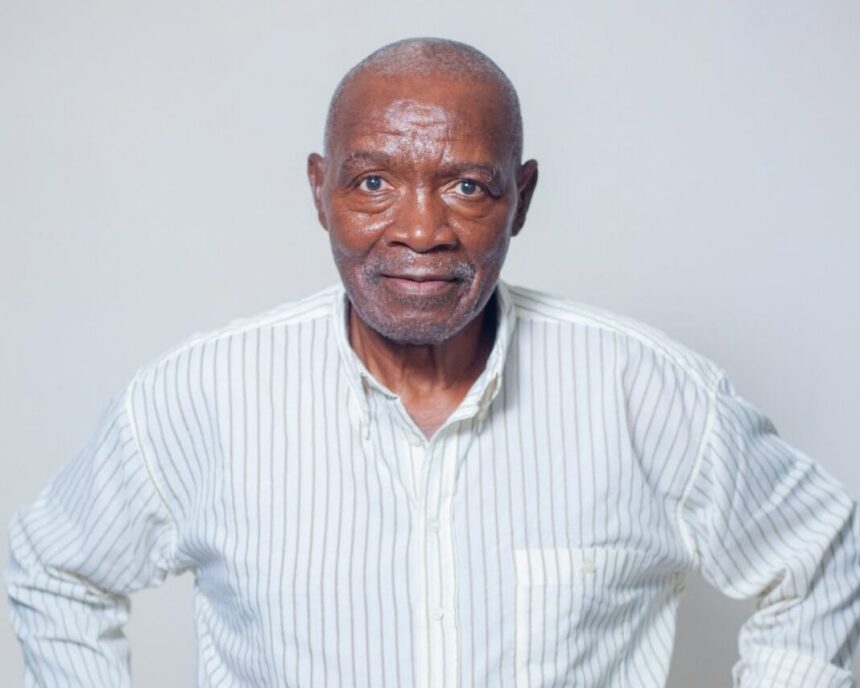
Zambian football has been plunged into mourning following the death of former national team captain and coach Freddie Mwila Snr, who died at the age of 80 after suffering a stroke. Mwila passed away at Maina Soko Medical Centre in Lusaka at approximately 01:00 hours on Monday morning. His death was confirmed by family spokesperson Lillian Kalikeka, who shared the sad news with FAZ Media. His passing marks the loss of a respected figure in Zambian football whose name is associated with the country’s football history. News of his death is expected to bring sadness to former teammates, football administrators, supporters and generations of fans who followed his contribution to the national game.
According to Kalikeka, Mwila died while receiving medical attention at Maina Soko Medical Centre in Lusaka. He was 80 years old at the time of his death. The family has since begun funeral arrangements to allow relatives, friends and members of the football community to pay their respects. The funeral gathering is being held at the family home in Mapepe Farms, opposite Four Pillars Lodge in Chilanga. The family has provided the location for those wishing to visit and offer their condolences during this difficult period. His death has brought renewed attention to the contributions of former footballers who helped shape Zambia’s sporting identity.
Freddie Mwila Snr held an important place in Zambian football through his experience as a former national team captain and coach. Serving as captain of the Zambia national football team is a significant responsibility that requires leadership, discipline and the ability to represent the country at the highest level. His involvement in coaching also reflected his continued connection to the sport beyond his playing career. Former players who move into coaching often help pass football knowledge and experience to younger generations. Mwila’s career therefore represents an important part of the broader history of Zambian football.
His death also highlights the importance of recognising the contributions of former football stars who helped establish the foundations of the country’s football culture. Zambia has produced several generations of talented footballers who have represented the nation in regional and international competitions. The achievements of these players have helped build national pride and strengthen the popularity of football across the country. Former captains and coaches occupy a special position because they contribute to the sport both through their performances and their leadership. Mwila’s passing provides an opportunity for football supporters to reflect on the people who helped shape the national team over the years.
The confirmation of his death by family spokesperson Lillian Kalikeka has also brought attention to the family’s arrangements during this period of mourning. The funeral gathering at Mapepe Farms in Chilanga provides a place for relatives, friends and well-wishers to come together and offer support. Such gatherings are important in Zambian communities because they allow people to share memories, express sympathy and stand with grieving families. Members of the football fraternity may also use the opportunity to pay tribute to a man who served the national game as both a player and a coach. The family is facing a difficult period following the loss of a loved one who lived to the age of 80.
Mwila’s death following a stroke also draws attention to the serious health challenges associated with this medical condition. A stroke occurs when the blood supply to part of the brain becomes interrupted or when a blood vessel in the brain ruptures. It can cause serious complications and may lead to long-term disability or death, depending on its severity and the speed of medical treatment. Common warning signs include sudden weakness or numbness, particularly on one side of the body, difficulty speaking, facial drooping and sudden problems with vision or balance. Recognising these symptoms and seeking emergency medical attention immediately can improve the chances of receiving timely treatment. His passing is a reminder of the importance of taking stroke symptoms seriously and responding quickly when they occur.
For Zambia’s football community, the loss of Freddie Mwila Snr is a moment to remember the people who have dedicated significant parts of their lives to the development of the sport. His roles as national team captain and coach placed him among individuals who contributed to the country’s football journey. While further details about his playing career, coaching appointments and achievements have not been provided in the family’s announcement, his recognised positions in Zambian football remain an important part of his legacy. His death will be felt by those who knew him personally and by supporters who value the history of the national team. Remembering former football figures also helps younger generations appreciate the people who contributed to the growth of the game before the current generation of players.
The passing of Freddie Mwila Snr at the age of 80 marks a sad moment for his family and the wider Zambian football fraternity. His journey as a former national team captain and coach forms part of Zambia’s sporting history. As relatives, friends and football supporters gather at the family home in Mapepe Farms, Chilanga, many will have the opportunity to reflect on his life and contribution to the game. His death following a stroke has brought an end to a life connected to one of the country’s most popular sports. May his family find strength during this difficult time, and may Freddie Mwila Snr rest in peace.