







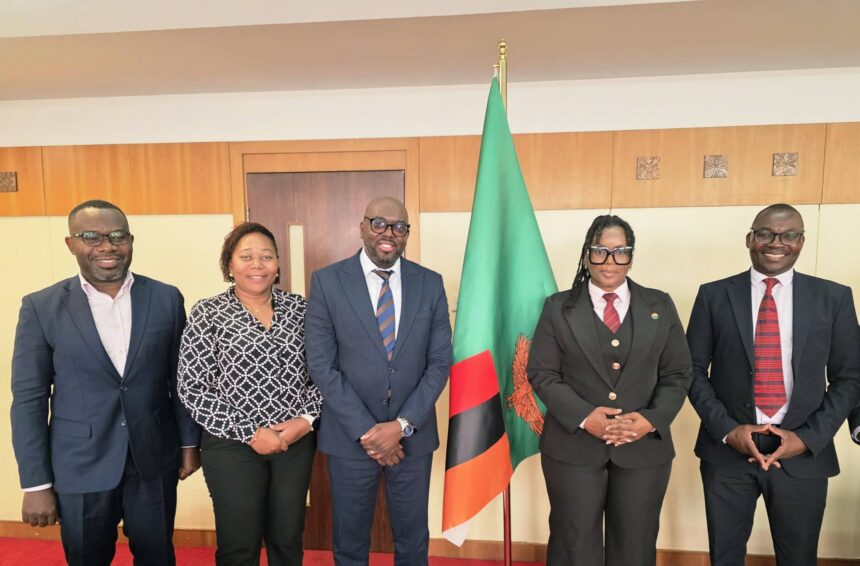
Zambia is preparing to host the 50th Anniversary celebrations of the African Regional Intellectual Property Organization (ARIPO), an important international event expected to highlight the country’s progress in intellectual property protection, innovation and business registration. Minister of Trade and Exports, Hon. Dr. Caroline Kaunda Katotobwe, has held a closed-door meeting with management of the Patents and Companies Registration Agency (PACRA) to discuss preparations for the milestone celebration. The event is scheduled to take place from 7 to 9 December 2026 at the Mulungushi International Conference Centre in Lusaka. The celebrations will provide Zambia with an opportunity to demonstrate its commitment to strengthening intellectual property systems and supporting innovation as part of its broader economic development strategy. The meeting also highlighted the government’s intention to align intellectual property development with the Grow Zambia Agenda, ensuring that creativity, innovation and business growth contribute meaningfully to national development and international trade.
The upcoming ARIPO anniversary is significant because intellectual property plays an important role in protecting ideas, inventions, creative works and distinctive business identities. Intellectual property rights allow individuals and organisations to protect the results of their creativity and innovation while establishing legal ownership over their work. These protections can encourage investment, support entrepreneurship and create opportunities for businesses to commercialise new products and services. For countries seeking to strengthen their economies, an effective intellectual property system can help transform innovative ideas into valuable commercial activities. Zambia’s preparations to host the anniversary therefore represent an opportunity to highlight the importance of intellectual property in building a competitive and innovation-driven economy.
The African Regional Intellectual Property Organization is an intergovernmental organisation established to support cooperation among African countries in the protection and administration of intellectual property rights. Its work focuses on developing regional systems that make it easier for member states, businesses and individuals to protect their intellectual assets. Through regional cooperation, ARIPO helps strengthen intellectual property administration and encourages innovation across participating countries. Its activities also support the development of legal and institutional frameworks that allow creators, inventors and businesses to benefit from their ideas. Reaching its 50th anniversary provides an opportunity to reflect on its contribution to intellectual property development in Africa and consider how regional cooperation can respond to changing economic and technological demands.
Zambia’s role as host of the anniversary celebrations will place the country at the centre of important discussions about intellectual property and innovation in Africa. Hosting an event of this nature provides an opportunity to engage with regional and international stakeholders involved in intellectual property administration, business development and economic policy. It also creates a platform for Zambia to showcase its institutional progress and highlight the work being undertaken to improve the business environment. The Mulungushi International Conference Centre will provide the venue for the celebrations from 7 to 9 December 2026. The event is expected to draw attention to the importance of intellectual property as a tool for economic transformation and regional development.
The meeting between Minister Katotobwe and PACRA management reflects the importance of effective coordination in preparing for the celebrations. PACRA plays a central role in Zambia’s business registration and intellectual property administration framework. Its responsibilities include the registration of companies and business names as well as the administration of patents, trademarks and other intellectual property-related services. These functions are important for creating a predictable business environment in which entrepreneurs and established companies can operate with confidence. The agency’s involvement in preparations for the ARIPO anniversary is therefore particularly relevant because its institutional responsibilities connect directly with the event’s focus on innovation, intellectual property and business development.
One of the key issues raised by the Minister was the need to align intellectual property development with the Grow Zambia Agenda. This approach recognises that innovation and creativity should contribute directly to the country’s economic priorities. Protecting intellectual property is not simply about creating legal rights for individuals and organisations. It is also about ensuring that innovative products, creative works and business ideas can generate economic value. When inventors and entrepreneurs have confidence that their intellectual assets are protected, they may be more willing to invest time and resources in developing new solutions. Stronger intellectual property systems can therefore support entrepreneurship, industrial development and the growth of competitive Zambian businesses.
The connection between intellectual property and national development is particularly important for small and medium-sized enterprises. Many local businesses develop unique products, designs, brands and services that help them compete in their respective markets. However, without adequate knowledge of intellectual property rights, business owners may struggle to protect their commercial identities and innovative work. Trademark registration, for example, can help businesses protect their brand names and distinguish their products from those of competitors. Patent protection can provide legal safeguards for qualifying inventions, while other forms of intellectual property protection can support creators and innovators. Improving awareness and access to these services could help more Zambian entrepreneurs protect their ideas and build sustainable businesses.
Intellectual property can also contribute to Zambia’s efforts to expand trade and increase the competitiveness of locally produced goods and services. Businesses that develop recognisable brands and innovative products can create stronger market identities and improve their ability to compete beyond domestic borders. Protecting trademarks and other intellectual assets can also help build consumer confidence and reduce the risk of unauthorised commercial use. For Zambia, this creates opportunities to support local industries, encourage product development and strengthen the commercial value of homegrown innovations. A stronger intellectual property framework can therefore become an important part of the country’s broader trade and export development strategy.
The Grow Zambia Agenda places importance on creating economic opportunities and strengthening the productive capacity of the country. Innovation, creativity and entrepreneurship are important elements of this process because they allow businesses to develop new products, improve existing services and respond to changing market demands. Intellectual property protection provides a framework through which innovators can secure recognition and commercial benefits from their work. It can also encourage partnerships between businesses, research institutions and investors. By connecting intellectual property development with national economic priorities, Zambia can create a stronger environment for turning ideas into practical business opportunities.
The ARIPO anniversary celebrations also present an opportunity to increase public awareness about intellectual property rights. Many entrepreneurs, artists, researchers and inventors may have valuable ideas but limited knowledge of the legal mechanisms available to protect them. Greater awareness can help individuals understand the importance of registering trademarks, protecting inventions and respecting the intellectual property rights of others. Educational discussions during the celebrations could also encourage stronger collaboration between government institutions, the private sector and innovation communities. Such engagement would help ensure that intellectual property is understood not only as a legal subject but also as an important part of business growth and economic development.
For Zambia’s business community, improved intellectual property administration could create several long-term benefits. Efficient registration processes can reduce administrative challenges and make it easier for businesses to establish and protect their identities. Stronger institutional systems can also improve confidence among investors who want assurance that their intellectual assets will receive appropriate protection. This is particularly relevant for businesses operating in technology, manufacturing, agriculture, creative industries and professional services. As these sectors continue to explore new products and business models, access to effective intellectual property protection will become increasingly important. PACRA’s role in supporting these processes makes its institutional capacity an important part of Zambia’s wider economic development efforts.
The anniversary will also provide a platform for examining the future of intellectual property protection in an increasingly digital and technology-driven economy. Digital platforms have created new opportunities for businesses and creators to reach wider audiences, but they have also increased the complexity of protecting creative and commercial assets. Issues involving digital content, trademarks, inventions and the unauthorised use of intellectual property require effective legal frameworks and modern administrative systems. African countries must continue strengthening their institutions to respond to these developments while supporting innovation and entrepreneurship. Zambia’s hosting of the ARIPO anniversary offers an opportunity to participate in these wider conversations and demonstrate its commitment to regional cooperation.
The preparations led by Minister Katotobwe and PACRA management highlight the government’s intention to make the 50th ARIPO Anniversary more than a commemorative occasion. The event offers an opportunity to strengthen awareness, promote institutional cooperation and encourage greater investment in intellectual property development. It also provides a chance to showcase Zambia’s progress in business registration and the protection of intellectual assets. The emphasis on the Grow Zambia Agenda reinforces the need to connect innovation and creativity with practical economic outcomes. Successful implementation of these priorities will require continued collaboration between government agencies, entrepreneurs, researchers, investors and the wider private sector.
As Zambia prepares to welcome stakeholders for the ARIPO 50th Anniversary celebrations from 7 to 9 December 2026, the country has an opportunity to strengthen its position in Africa’s intellectual property and innovation landscape. The event at the Mulungushi International Conference Centre will provide a platform to recognise five decades of regional cooperation while looking ahead to new opportunities for African businesses and creators. Minister Katotobwe’s emphasis on aligning intellectual property with the Grow Zambia Agenda reflects an important understanding that protecting ideas can support trade, investment and national development. For Zambia, the long-term value of hosting the celebrations will depend on how effectively the discussions translate into stronger institutions, improved business services and greater opportunities for local innovators. A robust intellectual property system can help turn creativity into commercial value and ensure that Zambian ideas have the protection and support needed to compete in regional and global markets.