






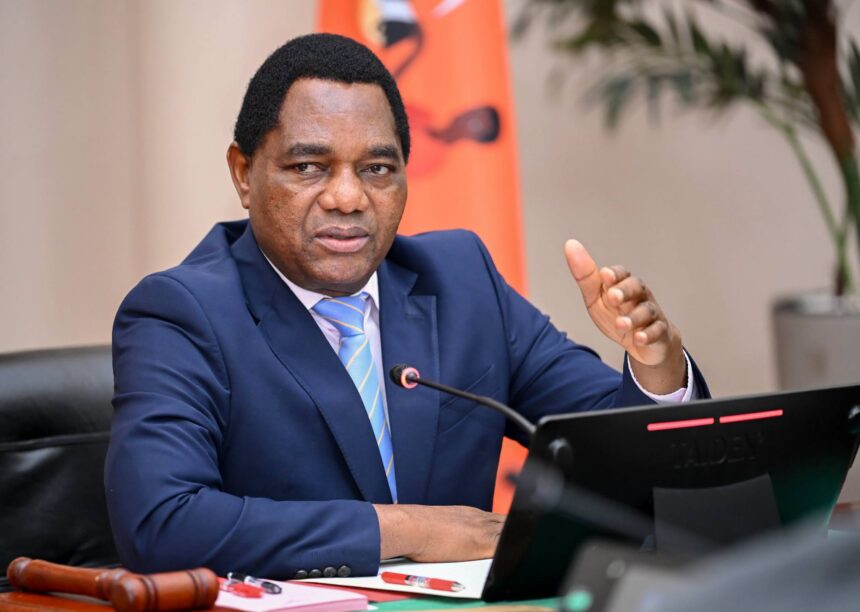
Zambia is seeking to strengthen its economic development through renewed cooperation with Trafigura, one of the world’s largest commodity trading and logistics companies. The renewed partnership aims to attract more investment, create employment opportunities and strengthen the country’s position in the global copper market. The engagement also reflects Zambia’s broader ambition to expand copper production, improve energy security and develop the infrastructure needed to connect local industries to regional and international markets. President Hakainde Hichilema announced the renewed commitment following a meeting with a Trafigura delegation led by the company’s Chairman, Jeremy Weir, at State House. The discussions focused on resetting the relationship between the Zambian government and the international commodities company to ensure that future cooperation delivers meaningful benefits for the country and its citizens.
The meeting provided an opportunity for the Zambian government to recognise Trafigura’s long-standing interest in the country and its contribution to the local economy. Trafigura has maintained a presence in Zambia through various investments and business activities that support important sectors of the economy. Its interests include fuel supply, energy distribution, commodity trading and logistics, all of which play a role in supporting economic activity. The company’s wider involvement in the country includes its connections to Puma Energy and Servara, which contribute to employment and commercial operations. President Hichilema expressed appreciation for the jobs sustained through these businesses and acknowledged the importance of maintaining constructive relationships with international investors.
However, the renewed engagement goes beyond recognising previous investments. The Zambian government wants to establish a stronger and more productive partnership with Trafigura, one that prioritises national development and creates measurable economic opportunities. President Hichilema emphasised that the relationship must deliver for the Zambian people above all else. This approach reflects the government’s intention to ensure that foreign investment contributes directly to economic growth, employment creation and the expansion of local business opportunities. It also highlights the importance of building partnerships that support Zambia’s long-term development priorities rather than focusing exclusively on commercial interests.
Copper production emerged as one of the most important areas of potential cooperation. Zambia is one of Africa’s leading copper producers and the mining industry remains central to its economy. Copper generates export revenue, supports thousands of jobs and creates business opportunities across several industries. The government has set an ambitious target of producing three million tonnes of copper annually by 2031. Achieving this objective will require substantial investment, improved mining operations, reliable energy supplies, efficient transportation systems and stronger access to international markets. Trafigura’s experience in commodity trading, financing and logistics could help address some of these requirements by supporting the movement of copper from producers to customers around the world.
Trafigura’s role in buying and financing copper is particularly relevant to Zambia’s ambitions. Commodity trading companies connect producers with international buyers and help facilitate the financing and movement of raw materials. Their activities can support mining companies that require working capital, reliable commercial arrangements and access to global markets. For Zambia, stronger cooperation in this area could help improve the commercial environment for copper producers and support the expansion of mining-related activities. However, reaching the three-million-tonne production target will also depend on investment in exploration, mine development, electricity generation and transmission, water infrastructure and skilled workers. A successful partnership must therefore complement broader efforts by government and the private sector to strengthen the entire mining value chain.
Energy security is another major priority in the renewed relationship. Zambia’s mining industry depends heavily on a consistent and affordable electricity supply, particularly as the government seeks to increase copper production. Mining operations require substantial amounts of power for extraction, processing, transportation and other industrial activities. When electricity supplies become unreliable or expensive, production costs increase and businesses face operational difficulties. Energy shortages can also affect manufacturing, agriculture, small businesses and households. Strengthening fuel supply arrangements, improving energy infrastructure and attracting investment into the wider energy sector will therefore remain important for Zambia’s economic development. Trafigura’s experience in moving fuel and managing international energy supply chains could provide opportunities to support the country’s efforts to improve energy availability and affordability.
Reliable energy is also essential for attracting new investment into Zambia. Investors consider electricity availability, infrastructure quality, transportation costs and access to markets when deciding where to establish or expand businesses. A country that can provide dependable energy and efficient logistics is better positioned to attract industrial development and encourage existing companies to increase production. Zambia’s renewed engagement with Trafigura reflects an understanding that economic growth requires more than natural resources. It requires the systems, infrastructure and commercial partnerships that allow those resources to generate long-term value. Improved energy security could also strengthen the competitiveness of Zambian products and create a more favourable environment for businesses operating across different sectors.
Logistics and transportation infrastructure form another important part of the proposed cooperation. Zambia is a landlocked country, making efficient regional transport connections essential for international trade. Copper, fuel, agricultural products and manufactured goods must move through established transport corridors to reach ports, suppliers and customers in other countries. High transportation costs, delays and infrastructure limitations can reduce the competitiveness of local producers. Companies such as Trafigura operate across international commodity supply chains and have experience coordinating transportation, storage and distribution networks. Greater cooperation in these areas could help Zambia strengthen its connections to regional and global markets while supporting the movement of goods across its borders.
Improved logistics would also benefit Zambian businesses beyond the mining industry. Agricultural producers need reliable transportation and storage facilities to move their products to domestic and international markets. Manufacturers require dependable supply chains to obtain raw materials and distribute finished products. Energy companies depend on effective infrastructure to transport and distribute fuel. By improving the systems that connect producers to customers, Zambia can create opportunities for businesses of different sizes and sectors. Stronger transport and logistics networks could also support regional trade and reinforce the country’s role as an important commercial link within Southern Africa.
The renewed partnership is closely connected to the government’s Grow Zambia Agenda, which places emphasis on expanding economic opportunities and strengthening productive sectors. The agenda reflects the importance of investment, job creation, industrial development and improved economic participation. Zambia’s natural resources provide a strong foundation for growth, but the country must ensure that these resources support wider national development. This requires stronger local industries, improved infrastructure and greater participation by Zambian companies in commercial activities. Cooperation with international businesses can contribute to these objectives when investment creates employment, transfers expertise and supports the development of local suppliers.
One of the key expectations highlighted by President Hichilema is the creation of more opportunities for Zambian businesses. Local companies should be able to participate in the supply chains that support mining, energy and logistics operations. This includes opportunities in transportation, engineering, construction, equipment maintenance, professional services and other supporting industries. Increased participation by local suppliers can help retain more economic value within Zambia while strengthening the capacity of domestic businesses. It can also encourage entrepreneurship and create opportunities for small and medium-sized enterprises to expand their operations. For the partnership to deliver lasting benefits, local economic participation must remain an important consideration as investment projects develop.
Employment creation is equally important. Investments in mining, energy and logistics can generate direct jobs as well as indirect employment through suppliers and service providers. Expanding copper production could increase demand for skilled workers, technicians, engineers, transport operators and other professionals. Improvements in energy infrastructure and fuel distribution could also support employment across several parts of the economy. However, the quality and sustainability of these opportunities will matter as much as the number of jobs created. Skills development, technical training and opportunities for Zambian workers to progress into specialised and management positions will help ensure that economic growth produces lasting benefits for the local workforce.
The engagement with Trafigura also highlights the importance of maintaining investor confidence. International companies make long-term investment decisions based on commercial opportunities, regulatory stability, infrastructure conditions and the reliability of government policies. Zambia needs investment to develop its mining industry, strengthen energy supply and improve transportation networks. Building productive relationships with established international companies can help mobilise capital, expertise and access to international markets. At the same time, the government must ensure that investment agreements support national interests, encourage responsible business practices and provide fair opportunities for local participation. A balanced relationship can create benefits for both investors and the country.
Zambia’s ambition to produce three million tonnes of copper annually by 2031 will require coordinated action from government, mining companies, financial institutions, infrastructure providers and international trading partners. No single company can achieve this target on its own. The country will need continued investment in new and existing mines, more efficient production methods, dependable electricity and improved transport infrastructure. It will also need policies that encourage exploration and support responsible mining practices. Trafigura’s potential contribution through commodity financing, trading and logistics could form part of this broader national effort. The real measure of success will be whether the partnership helps increase production while generating greater value for Zambia and its people.
President Hichilema’s announcement signals the government’s intention to pursue a more focused relationship with Trafigura. Rather than treating international investment as an end in itself, the administration wants partnerships to support clearly defined development priorities. These include increased copper production, reliable and affordable energy, stronger trade connections, more employment and greater opportunities for domestic businesses. The emphasis on resetting the relationship suggests a renewed commitment to aligning commercial cooperation with the country’s economic objectives. The next important step will be translating the discussions into practical investment commitments, projects and measurable results.
The renewed engagement between Zambia and Trafigura represents an opportunity to strengthen cooperation in sectors that are essential to the country’s economic future. Copper production, energy security and logistics are closely connected, and progress in one area can support growth in the others. Greater investment in these sectors could improve industrial capacity, strengthen exports and create new opportunities for Zambian workers and businesses. The partnership also provides an opportunity to improve Zambia’s access to international commodity markets and strengthen its position in regional trade. However, its long-term value will depend on implementation, transparency and the extent to which ordinary citizens benefit from the resulting economic activity.
Zambia has significant natural resources and clear ambitions for its economic future. Achieving those ambitions will require partnerships that bring investment, technical expertise and practical solutions to the country’s development challenges. The meeting between President Hakainde Hichilema and Trafigura Chairman Jeremy Weir marks an important step towards strengthening cooperation in mining, energy and logistics. The focus must now shift towards turning commitments into investment, creating sustainable jobs and expanding opportunities for local enterprises. As Zambia works towards its target of producing three million tonnes of copper annually by 2031, partnerships that support national priorities will play an important role in shaping its economic progress. Ultimately, the success of the renewed relationship should be measured by the opportunities it creates, the industries it strengthens and the improvements it delivers to the lives of the Zambian people.