







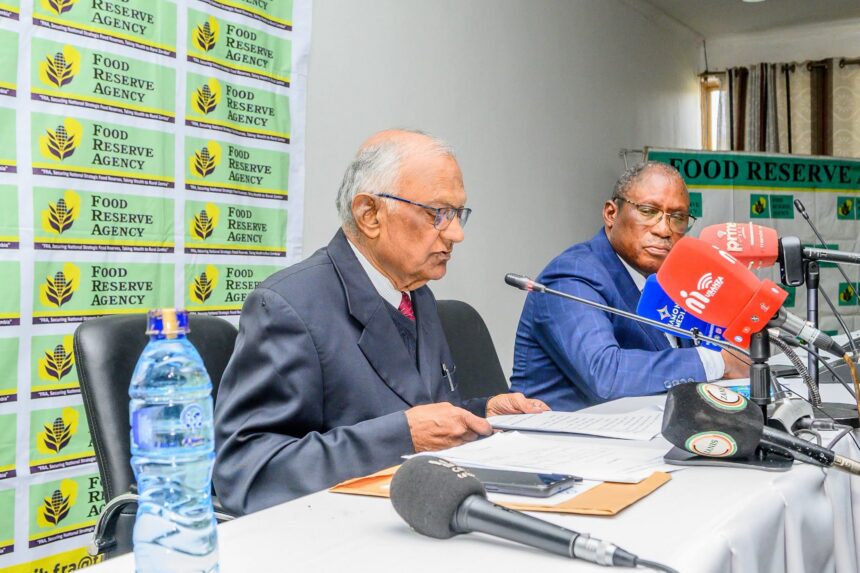
The Food Reserve Agency (FRA) has disclosed concerns over alleged corrupt activities involving some staff at selected depots as the agency continues its maize purchasing programme. FRA Board Chairperson Suresh Desai said there have been incidents in which money was allegedly demanded from farmers before services were provided. The disclosure comes as the agency reports that more than one million tonnes of maize have already been purchased from farmers. Despite the reported challenges, Desai said the overall buying programme has progressed smoothly and farmers have generally been paid efficiently. The agency’s comments highlight both the scale of the current maize purchasing exercise and the need to protect farmers from corruption and unnecessary costs when accessing public agricultural services.
Desai said the FRA has identified incidents at certain depots where staff members are allegedly demanding money before providing services to farmers. Such conduct raises serious concerns because farmers depend on the agency’s depots to sell their produce and receive payment for maize supplied through the programme. Any unofficial charges can place additional financial pressure on farmers, particularly those operating on small and medium-sized farms where production costs are already high. The FRA’s acknowledgement of the problem also shows the importance of maintaining strong controls across its network of depots. Farmers should be able to access services through established procedures without being required to make unofficial payments.
The reported corruption concerns come against the backdrop of significant progress in the FRA’s maize purchasing programme. According to Desai, more than one million tonnes of maize had been purchased by the time of his comments. Farmers who supplied the maize had also been paid, indicating that the agency has been able to process a substantial volume of purchases during the current programme. The scale of the purchases demonstrates the important role the FRA continues to play in Zambia’s agricultural sector and food security system. It also means that effective management of procurement, payments and depot operations remains important for both farmers and the wider economy.
Desai said the FRA is using a digital system that has been performing well in processing transactions and payments. He indicated that payments have generally been achieved within three days, which can provide farmers with faster access to money after delivering their maize. Prompt payment is important because farmers need cash to meet household expenses, settle production costs and prepare for the next agricultural season. A reliable digital payment system can also improve transparency by reducing opportunities for manual interference in the payment process. The reported payment performance suggests that technology is helping address some of the administrative challenges associated with handling large volumes of agricultural transactions.
The faster payment process also provides a contrast to the concerns surrounding alleged demands for money at some depots. Digital systems can improve the efficiency of transactions, but they cannot by themselves eliminate every form of corruption within the wider service delivery process. Depot-level interactions still require strong supervision, clear procedures and mechanisms that allow farmers to report misconduct. The FRA therefore faces the challenge of ensuring that the benefits of its digital payment system are supported by effective oversight across all operational areas. Farmers should be able to complete the entire selling process with confidence that they will not face unofficial demands for payment.
The FRA Board Chairperson indicated that farmers are generally happy with the way the programme has progressed, despite the challenges that have emerged. This suggests that the majority of farmers are receiving payments and accessing the maize purchasing system without major difficulties. However, isolated incidents of alleged corruption can still undermine confidence in the entire programme if they are not addressed promptly. Farmers who experience demands for money may also hesitate to report them if they are concerned about delays or difficulties in accessing services. Strong action against misconduct can therefore help protect farmers and maintain confidence in the agency’s operations.
The maize purchasing programme has wider implications for Zambia’s food security and agricultural economy. The FRA plays an important role in purchasing maize from farmers and managing strategic food reserves, which can support national food security during periods of changing production and market conditions. Large-scale purchases also provide a significant market for farmers who depend on the sale of maize as an important source of income. Efficient procurement and payment processes can help strengthen the agricultural value chain by ensuring that farmers receive compensation for their produce without unnecessary delays. Maintaining integrity within the system is therefore essential because corruption at individual depots can affect both farmers and the credibility of the national food reserve programme.
The reported incidents also highlight the need for farmers to understand the official procedures governing maize sales and payments. Clear communication can help farmers recognise when a request for money falls outside legitimate fees or established processes. The FRA and other relevant authorities can support this by making official procedures, payment timelines and complaint channels easily accessible at depots. Effective complaint mechanisms are particularly important because they give farmers a way to raise concerns without having to confront individual staff members directly. When reports are investigated and appropriate action is taken, it can help deter similar conduct at other locations.
The agency now faces the task of maintaining the positive progress recorded in maize purchases while addressing the concerns raised at selected depots. More than one million tonnes of maize represents a major operational undertaking, requiring effective coordination between farmers, depot staff, payment systems and management. Ensuring that the programme remains efficient will require continued monitoring as additional maize is purchased and processed. At the same time, allegations of corruption need to receive serious attention so that farmers are not disadvantaged by the actions of individual employees. Strong oversight can help ensure that the benefits of the programme reach farmers as intended.
The FRA’s latest update presents a mixed picture of Zambia’s maize purchasing programme, with strong progress in procurement and payments alongside concerns about alleged corruption at some depots. The reported purchase of more than one million tonnes of maize and the use of a digital payment system that can process payments within three days indicate that important parts of the programme are functioning effectively. However, demands for money before services are provided remain a serious concern that requires decisive attention. Protecting farmers from unofficial charges will be essential to maintaining trust in the FRA and ensuring that agricultural support reaches those who need it. As the maize purchasing programme continues, the focus will be on sustaining efficient payments, strengthening accountability and ensuring that every farmer can access FRA services fairly and transparently.