






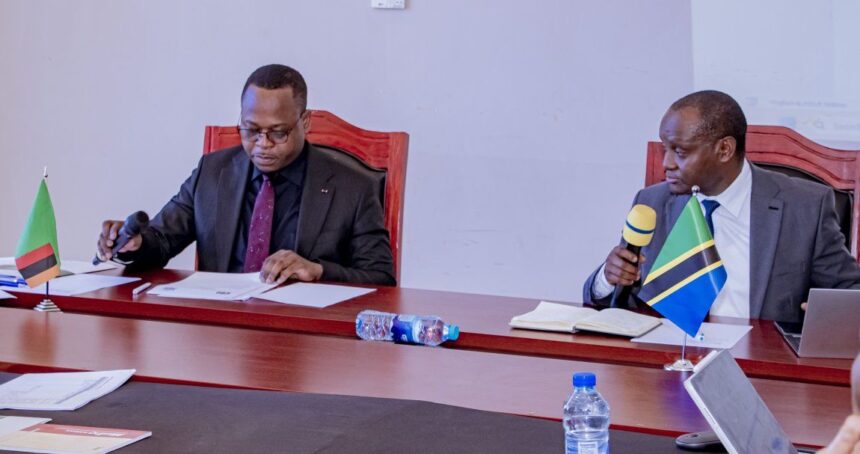
Zambia and Tanzania have taken a decisive step toward strengthening their economic partnership by launching a four day Joint Trade Committee meeting focused on improving the business environment and eliminating trade barriers. The high level engagement began on 4 May 2026 in Tunduma, located in Tanzania’s Songwe Region, and is set to conclude on 7 May 2026. This meeting reflects a growing urgency among African nations to streamline cross border trade and unlock regional economic potential. Both countries recognize that efficient trade systems can drive job creation, industrial growth, and increased competitiveness across the region. The talks also signal a continued commitment to turning policy discussions into measurable outcomes that directly benefit traders and businesses.
The structure of the meeting shows a clear and methodical approach to decision making, with three distinct phases designed to ensure thorough engagement at every level. Technical experts are currently reviewing key issues and identifying solutions that will be presented to Permanent Secretaries on 6 May 2026. This stage allows for detailed analysis of trade barriers and ensures that recommendations are grounded in practical realities. The final phase will involve a Ministerial Meeting on 7 May 2026, where top level officials will adopt and formalize decisions. This layered approach improves accountability and increases the likelihood that resolutions will be implemented effectively. It also reflects a growing trend in regional diplomacy where technical expertise drives policy outcomes.
At the center of the discussions are tariff and non tariff barriers that continue to affect cross border trade between Zambia and Tanzania. These barriers include delays at border posts, complex customs procedures, and inconsistent regulatory requirements that increase costs for traders. Addressing these issues is critical because inefficiencies can discourage investment and limit the movement of goods. Both countries aim to simplify customs processes and introduce more transparent systems that reduce delays. Improved coordination between border authorities is also expected to play a key role in enhancing trade flows. These changes could significantly lower operational costs for businesses and improve access to regional markets.
Zambia has made it clear that it sees this engagement as an opportunity to deepen long term economic cooperation with Tanzania. Speaking at the opening session, Dr. Simon Ng’ona, Director of Foreign Trade in Zambia’s Ministry of Commerce, Trade and Industry, emphasized the need to convert geographic advantages into real economic gains. He pointed out that Zambia’s position as a land linked hub for Southern and Central Africa, combined with Tanzania’s access to the Indian Ocean, creates a powerful trade corridor. This corridor has the potential to reduce transportation costs and improve supply chain efficiency across multiple countries. By investing in better infrastructure and streamlined processes, both nations can strengthen their role in regional trade networks. This approach aligns with broader continental goals of boosting intra African trade.
The discussions also build on previous Joint Trade Committee meetings held since 2023, which have focused on resolving persistent trade challenges. These efforts are rooted in a broader vision established during Tanzanian President Dr. Samia Suluhu Hassan’s State Visit to Zambia in 2023. That visit laid the foundation for closer economic and diplomatic ties between the two countries. Dr. Ng’ona highlighted that this vision goes beyond trade and investment, extending to stronger economic and social cooperation. Such a comprehensive approach helps create a stable environment for long term growth. It also reinforces trust between the two nations, which is essential for sustained collaboration.
Non tariff barriers remain one of the most pressing concerns raised during the meeting, as they continue to disrupt trade flows and create uncertainty for businesses. Dr. Ng’ona warned that if these barriers are not managed effectively, they could lead to disputes that undermine economic progress. He stressed the importance of open and forward looking dialogue to identify lasting solutions. Delegates have been encouraged to focus on practical measures that can be implemented quickly and monitored over time. This includes improving communication between regulatory agencies and adopting digital systems to track shipments. These steps can help reduce errors and improve efficiency across the supply chain.
Tanzania has echoed Zambia’s call for transparency and collaboration, with Mr. Ombeni Mwasha, Director of Trade Policy in the Ministry of Industry and Trade, urging participants to engage in honest and detailed discussions. He emphasized that meaningful progress depends on a shared commitment to addressing challenges directly. This approach encourages both sides to move beyond formalities and focus on actionable outcomes. By fostering a culture of openness, the meeting aims to build stronger working relationships between officials and stakeholders. This can lead to faster decision making and more effective implementation of agreed measures. It also sets a positive example for other regional partnerships.
The broader significance of the Joint Trade Committee meeting extends beyond bilateral relations, as it supports regional integration efforts under frameworks such as the Southern African Development Community and the African Continental Free Trade Area. Improved trade between Zambia and Tanzania can strengthen supply chains across multiple countries and increase the flow of goods within Africa. This contributes to economic resilience and reduces dependence on external markets. Enhanced connectivity and efficient border management can also attract investment by creating a more predictable business environment. These benefits highlight the importance of continued cooperation and policy alignment.
Zambia and Tanzania have positioned this meeting as a critical step toward transforming their economic relationship and unlocking new opportunities for growth. By focusing on practical solutions and leveraging their geographic strengths, both countries aim to create a more efficient and competitive trade environment. The structured approach of the Joint Trade Committee, combined with strong political support, increases the likelihood of meaningful outcomes. If the agreed measures are implemented effectively, businesses and traders can expect reduced costs and improved market access. This collaboration has the potential to serve as a model for other African nations seeking to strengthen trade ties.