






The establishment of the Borrowers’ Platform marks an important step towards improving sovereign debt management, strengthening the voice of developing countries in international financial decisions and protecting resources needed for economic growth. Launched in April 2026 in Washington, DC, United States, the initiative provides a forum for borrowing countries to exchange knowledge, share experiences and develop common perspectives on debt-related challenges. Its creation reflects growing concern about the high cost of borrowing, lengthy debt restructuring processes and the limited fiscal space available to many developing economies. For countries such as Zambia, these challenges directly affect the ability of governments to invest in infrastructure, healthcare, education, job creation and other national development priorities. The Platform aims to promote more responsible and sustainable borrowing practices while ensuring that developing countries have a meaningful role in shaping the international financial system.
The Borrowers’ Platform is not designed to encourage governments to accumulate more debt or to create a united front against international creditors. Instead, it recognises that borrowing can support economic development when governments manage their obligations responsibly and invest borrowed funds in productive activities. The central question is whether a loan is affordable, whether the investment can generate sufficient economic and social benefits and whether the country can meet its repayment obligations without undermining essential public services. Governments must also consider the terms of financing, currency risks, interest rates and the long-term impact of debt on public finances. By encouraging better-informed borrowing decisions, the Platform seeks to help developing countries use financing as a tool for sustainable economic transformation rather than allowing debt obligations to become a barrier to progress.
Sovereign debt management has become an increasingly important issue for developing countries facing competing demands on limited public resources. Governments often borrow to finance roads, electricity infrastructure, schools, hospitals, water systems and other investments that support long-term growth. However, when borrowing costs rise or economic growth falls below expectations, debt repayments can absorb a larger share of government revenue. This leaves less money available for public investment and essential services. Effective debt management is therefore not simply a technical exercise undertaken by finance ministries, but a critical part of protecting national resources and improving the living standards of citizens.
The effects of high debt-servicing costs can be particularly serious in low-income countries where public spending needs remain substantial. According to figures highlighted by the United Nations Trade and Development, rising interest payments reduced the fiscal space available for development in 99 developing countries between 2018 and 2024. These countries were home to approximately 5.5 billion people, demonstrating the scale of the challenge facing the developing world. When governments spend more on interest payments, they may have less flexibility to expand public services, respond to economic shocks or invest in programmes that support employment and household incomes. Strengthening debt sustainability can help countries protect development spending while maintaining their ability to meet financial obligations.
One of the main reasons for establishing the Borrowers’ Platform is the longstanding imbalance in international debt governance. Creditors have established mechanisms for coordinating their positions and discussing issues related to lending, repayment and debt restructuring. Borrowing countries, however, have lacked a comparable institutional forum dedicated to sharing expertise, building technical capacity and advancing their perspectives on international debt policy. This imbalance can make it difficult for individual countries, especially those with limited financial and technical resources, to influence discussions that affect their borrowing conditions. The Platform seeks to address this gap by creating a structured environment in which developing countries can exchange information, identify shared challenges and contribute more effectively to international financial discussions.
The initiative also provides an opportunity to improve transparency and strengthen the technical capabilities needed for responsible public debt management. Participating countries can learn from one another’s experiences in debt recording, fiscal planning, risk assessment and negotiations with creditors. They can also discuss ways to identify emerging financial pressures before those risks become more difficult to manage. Better access to information can help governments assess borrowing proposals more carefully and understand the long-term consequences of different financing arrangements. Over time, stronger cooperation may support more consistent debt management practices and improve the quality of decisions made by national authorities.
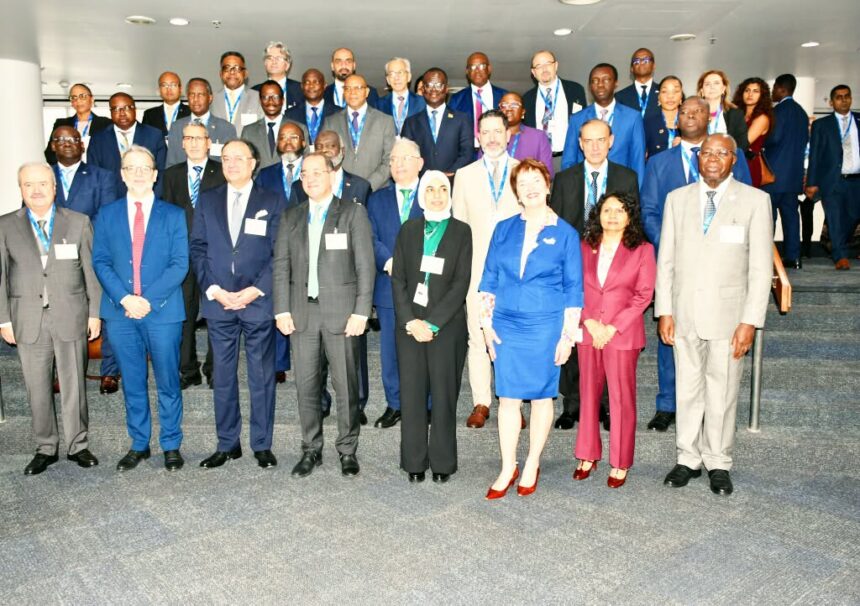
Finance and National Planning Minister Dr. Situmbeko Musokotwane, MP, has emphasised the importance of giving low-income borrowing countries a more meaningful role in shaping the international debt system. Speaking on behalf of African members of the Borrowers’ Platform at its inaugural Governing Council Meeting in Bangkok, Thailand, he highlighted the financial pressures facing many African economies. His remarks came during the 2026 annual meetings of the International Monetary Fund and the World Bank Group, where issues relating to economic stability, development financing and debt sustainability remain important areas of international discussion. The meeting took place at the United Nations Conference Centre and marked the beginning of the Platform’s first annual operational cycle. It provided an opportunity for members to move beyond the initial establishment of the initiative and begin focusing on practical cooperation.
Dr. Musokotwane noted that many African countries continue to face high financing costs, restricted access to affordable loans and lengthy debt restructuring processes. These challenges can delay investment decisions and make it more difficult for governments to direct resources towards economic and social development. When debt restructuring takes a long time, uncertainty can affect public financial planning and limit the ability of governments to make timely decisions about spending and investment. High borrowing costs can also reduce the attractiveness of important infrastructure projects, particularly when expected returns are uncertain or take many years to materialise. The Minister’s message highlighted the need for international debt arrangements that better reflect the development needs and financial realities of borrowing countries.
The Minister also stressed that debt decisions affect ordinary citizens, not just government institutions and financial markets. Public debt influences how much money governments can allocate to classrooms, healthcare facilities, transport networks, water supply and other services that people rely on every day. It can also affect the pace of infrastructure development, business expansion and employment creation. When debt obligations become difficult to manage, households may experience the consequences through reduced public investment and slower economic opportunities. For this reason, improving sovereign debt management should be viewed as an essential part of national development planning and responsible economic governance.
Addressing these challenges will require the Borrowers’ Platform to deliver practical results rather than focus only on institutional structures. Dr. Musokotwane called for stronger technical cooperation, better information-sharing and more effective participation in international financing discussions. These priorities could help countries develop stronger debt management systems and make more informed decisions when considering new loans or refinancing existing obligations. The Platform’s effectiveness will depend on the extent to which participating governments translate shared knowledge into improvements in their domestic policies and financial institutions. Its long-term value will therefore be measured by tangible progress in debt sustainability, financing conditions and the protection of resources for development.
The Minister further called for broader participation by eligible African countries. A more representative membership could increase the range of experiences available to the Platform and strengthen its ability to address challenges affecting different economies. African countries face diverse debt profiles, financing needs and economic circumstances, so wider participation would allow members to compare approaches and identify solutions suited to their respective situations. Greater participation could also strengthen the continent’s contribution to international discussions on debt sustainability and development finance. For Zambia and its neighbours, cooperation offers an opportunity to address shared concerns while recognising the differences between individual national circumstances.
Since its launch in April 2026, the Borrowers’ Platform has attracted 31 formal member countries, while more than 100 developing countries have been invited to participate. The United Nations Trade and Development organisation, commonly known as UNCTAD, serves as the Platform’s Secretariat and provides technical and institutional support. This role is important because effective cooperation requires reliable coordination, access to relevant expertise and a consistent framework for exchanging information. The Platform’s inaugural Governing Council adopted a communiqué outlining shared priorities for cooperation, knowledge exchange and stronger representation of borrowing countries in international debt discussions. These initial arrangements provide a foundation for future work, although their success will depend on implementation and continued engagement by member countries.
Dr. Musokotwane commended Egypt for its leadership as Interim Chair, the Steering Committee for establishing the Platform’s institutional foundations and UNCTAD for providing Secretariat support. Their contributions helped establish the structures needed to begin coordinated work among participating countries. The next stage requires members to use these structures to identify practical solutions to the financial pressures they face. This includes strengthening technical knowledge, improving communication between governments and sharing lessons from different approaches to debt management. Continued institutional cooperation will be essential if the Platform is to become a useful forum for developing countries seeking more sustainable financing arrangements.
The initiative is also connected to broader international efforts to reform development financing and give developing countries a stronger voice in decisions affecting their economic future. Dr. Musokotwane linked the Platform to the Sevilla Commitment, which Zambia co-facilitated, and stressed the importance of meaningful participation in international financial governance. This connection reflects the wider recognition that development challenges cannot be addressed effectively without considering the financing constraints faced by lower-income economies. Developing countries need access to suitable financing, but they also need the capacity to evaluate risks, negotiate appropriate terms and manage repayments responsibly. A stronger role in international debt discussions can help them present their experiences and contribute to debates about how the global financial system responds to their needs.
For Zambia, participation in the Borrowers’ Platform complements ongoing efforts to strengthen fiscal discipline, improve debt sustainability and support economic transformation. The country continues to face the challenge of balancing financial obligations with the need to expand production, attract investment, increase exports and create employment. These objectives require sound public financial management and careful decisions about how limited resources are allocated. Zambia’s Grow Zambia Agenda places emphasis on strengthening economic competitiveness and supporting a shift towards higher production, investment, exports and employment. Through cooperation with other borrowing countries, Zambia can exchange practical experiences and contribute to discussions on financing arrangements that support these priorities.
Zambia’s involvement also creates an opportunity to share lessons from its own debt management experience while learning from other countries. Effective knowledge exchange can help governments identify risks earlier, improve fiscal planning and strengthen their capacity to assess new financing proposals. However, membership in the Platform does not automatically guarantee lower interest rates, faster debt restructuring or additional funding for development projects. These outcomes depend on many factors, including global financial conditions, national economic performance, creditor decisions and the quality of domestic fiscal policies. The Platform’s contribution will therefore depend on how effectively members use its cooperation mechanisms to improve their financial decisions and influence relevant international discussions.
The initiative’s distinction from a collective debt restructuring mechanism is equally important. It is not intended to replace negotiations between individual countries and their creditors or to compel creditors to accept particular repayment terms. Instead, it provides borrowing countries with a forum for developing expertise, sharing information and improving their participation in discussions about the international debt system. This approach recognises that sustainable debt solutions require informed decision-making, responsible borrowing and constructive engagement among the parties involved. Stronger borrower cooperation can improve countries’ ability to understand their options without removing their individual responsibilities or the need for country-specific solutions.
Ultimately, the success of the Borrowers’ Platform will depend on whether it helps participating countries make better financing decisions, reduce debt-related risks and preserve resources for essential public services. Its establishment represents an important opportunity for developing countries to strengthen their collective knowledge and contribute more meaningfully to international financial governance. For Zambia, the initiative supports wider efforts to promote fiscal sustainability, economic competitiveness and development that creates opportunities for citizens. Responsible borrowing must remain central to this work, with governments ensuring that financing supports productive investment and that repayment obligations remain manageable over time. By turning cooperation into practical improvements in sovereign debt management, Zambia and other members can work towards a financial system that better supports sustainable development, job creation and improved living standards.