





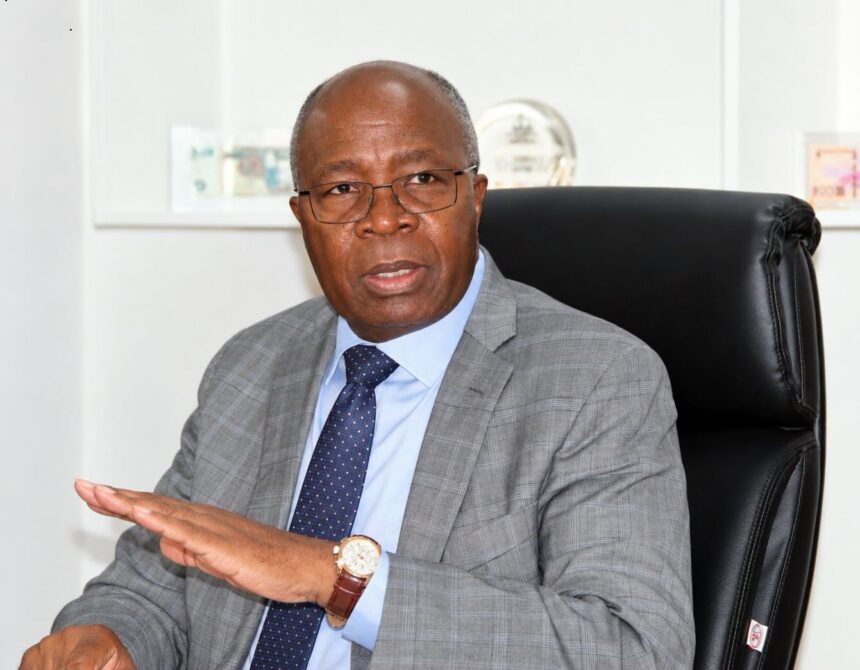
The Government of Zambia has released K806.1 million in fourth-quarter school grants, completing its 2026 allocation of more than K2.3 billion for government-supported public schools. The funding, announced by the Ministry of Finance and National Planning, is intended to sustain free education, support essential school operations and reduce the financial burden on parents and guardians. The latest disbursement was channelled through the Ministry of Education within the first two weeks of the fourth quarter. It will help schools meet operational costs, provide teaching and learning materials, support learner welfare programmes and maintain school infrastructure. Finance and National Planning Minister Dr. Situmbeko Musokotwane has also stressed that school authorities must use the money responsibly and comply with public financial management regulations.
The release of the fourth-quarter school grants marks the completion of the government’s planned allocation of more than K2.3 billion for public schools in 2026. Predictable funding is important because schools need resources throughout the academic year to maintain teaching activities and provide a suitable learning environment. When grants arrive on time, school administrators can plan expenditure, prioritise urgent needs and reduce disruptions caused by financial shortages. Schools can also organise the purchase of essential supplies and schedule maintenance work more effectively. The government considers this funding an investment in human capital development, recognising that education plays an important role in preparing children for future employment and participation in national development.
The K806.1 million released for the fourth quarter will support several areas of school operations. These include school feeding, teaching and learning materials, learner welfare programmes and the maintenance of school infrastructure. Each area contributes to the daily functioning of schools and the overall learning experience of pupils. Teaching materials help learners and teachers participate more effectively in classroom activities, while properly maintained facilities support a safer and more suitable educational environment. The funding is therefore intended to help schools meet immediate operational needs while continuing to provide education under the government’s free education policy.
School feeding is one of the important areas that can benefit from reliable school funding. For learners who face food insecurity at home, access to meals at school can provide important support during the school day. School feeding programmes may also help families manage some of the costs associated with sending children to school. Their effectiveness depends on adequate funding, proper procurement, reliable food supplies and responsible management by school authorities. Continued attention to these requirements can help schools deliver feeding programmes consistently and support learner welfare.
The provision of teaching and learning materials is equally important to improving educational quality. Textbooks, exercise books and other classroom resources help teachers deliver lessons and give pupils opportunities to practise and strengthen their understanding. When schools lack essential materials, teachers may face difficulties covering the curriculum and learners may have fewer opportunities for independent study. Timely grants can help school administrators identify shortages and purchase supplies according to their priorities and available resources. However, the impact of this spending will depend on whether materials reach the intended schools and learners and are used effectively.
School infrastructure maintenance is another priority under the fourth-quarter funding allocation. Classrooms, sanitation facilities, furniture and other school assets require regular attention to remain safe and functional. Delayed repairs can affect attendance, classroom organisation and the general conditions in which children learn. By allocating funds for maintenance, the government is supporting schools in addressing operational problems before they become more difficult or expensive to resolve. School managers must still assess their facilities carefully and direct available resources towards the most urgent needs.
The continuation of free education remains central to the government’s effort to reduce financial barriers to schooling. Education-related costs can place pressure on household budgets, particularly for families with limited incomes or several school-age children. Government grants help public schools finance essential operations without relying entirely on contributions from parents and guardians. This can make it easier for vulnerable households to keep children enrolled and participating in school activities. Nevertheless, reducing financial barriers must go hand in hand with maintaining teaching standards, providing adequate resources and ensuring that learners receive a meaningful education.
The government has emphasised that wider access to education must be matched by improvements in learning quality. Enrolling more children in school is an important step, but access alone does not guarantee strong educational outcomes. Learners also need qualified teachers, suitable classrooms, adequate learning materials and support for their welfare. Consistent investment in these areas can help create conditions in which children develop the knowledge and skills required for further education and employment. The effective use of school grants is therefore important not only for keeping schools operational but also for improving the value and quality of education provided.
Finance and National Planning Minister Dr. Situmbeko Musokotwane has made it clear that accountability for public funds is mandatory. He stated that accounting staff in schools and other public institutions must provide timely and accurate financial guidance to management and supervisory authorities. Their responsibilities include helping ensure that expenditure decisions follow established procedures and comply with public financial management regulations. The minister also warned that the government would not accept the misapplication of funds, unauthorised expenditure or failure to account for public resources. His remarks place financial discipline at the centre of the government’s expectations for schools receiving public money.
School authorities are consequently required to follow Ministry of Education guidelines when using the grants. This includes prioritising essential expenditure, complying with procurement procedures, keeping accurate financial records and accounting for every Kwacha received. Proper documentation allows school managers and oversight authorities to track how money is spent and whether purchases meet approved needs. It also helps reduce the risk of waste, misuse and irregular transactions. Transparent financial management can strengthen public confidence and ensure that education funding delivers practical benefits to learners.
Value for money is particularly important when public resources must support many competing needs. School administrators may need to balance spending on learning materials, infrastructure, feeding programmes and other operational requirements. Clear budgeting can help schools distinguish urgent priorities from less immediate purchases and direct funds towards activities that support learning and learner welfare. Regular monitoring can also identify problems early and help management correct them before they affect school operations. When funds are spent carefully and transparently, the government has a stronger basis for assessing whether its education investments are achieving their intended purpose.
The release also highlights the connection between education financing and Zambia’s broader economic development goals. Schools prepare future workers, entrepreneurs, professionals and public servants who will contribute to different sectors of the economy. A reliable education system can help children develop literacy, numeracy, technical knowledge and other skills needed for productive participation in society. Public investment in education therefore has implications beyond the classroom, particularly when it helps children from disadvantaged households access learning opportunities. Sustained funding, effective teaching and strong accountability are all necessary to turn this investment into lasting social and economic benefits.
With the full 2026 school grant allocation released, attention now turns to how effectively schools use the funds. The K806.1 million fourth-quarter disbursement is intended to sustain essential operations, support free education and ease financial pressure on families. Its impact will depend on timely spending, responsible procurement, adequate learning resources and proper maintenance of school facilities. The government’s emphasis on financial accountability also makes it clear that school authorities must demonstrate how public money has been used and what it has achieved. Ultimately, the success of Zambia’s school grant programme should be reflected in better learning conditions, stronger educational outcomes and sustained relief for parents and guardians.