







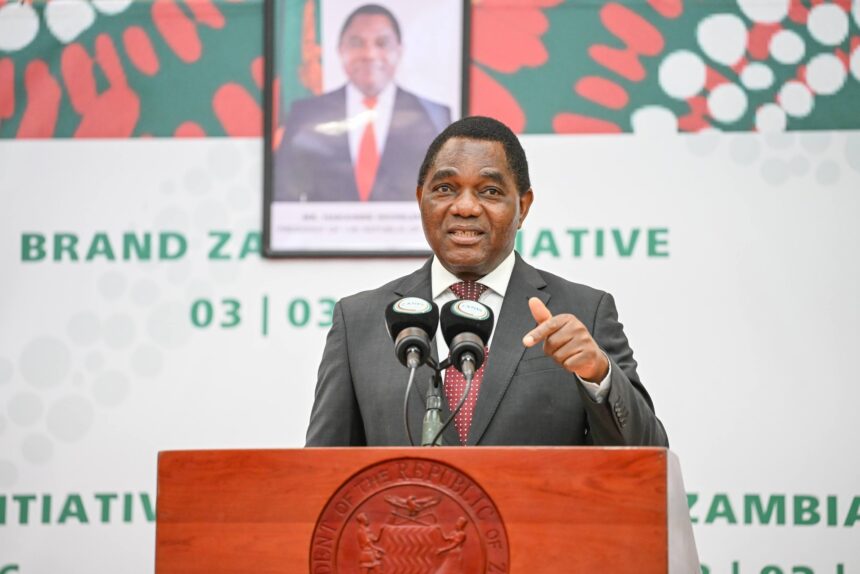
Zambia’s manufacturing sector remains a key driver of economic growth, job creation and industrial development as the Government intensifies efforts to strengthen local production and promote the consumption of Zambian-made goods and services. During the official opening of the First Session of the Fourteenth National Assembly, President Hakainde Hichilema reaffirmed the importance of manufacturing in building a stronger, more diversified and competitive economy. He emphasised that increasing domestic production, supporting local industries and expanding access to markets are essential to Zambia’s long-term economic transformation. The Government’s approach places greater emphasis on adding value to locally available resources, supporting businesses and creating opportunities for Zambian workers. These priorities reflect a broader ambition to reduce dependence on imported finished products while positioning the country as a stronger participant in regional and international trade.
Manufacturing plays an important role in Zambia’s economy because it supports a wide range of industries and supplies products needed by households, businesses and public institutions. President Hichilema highlighted locally produced goods such as fertiliser, lime, tiles, cables, wires, pipes, chemicals, detergents and medicines as examples of the sector’s contribution to national development. These products support activities in agriculture, construction, mining, healthcare and other important areas of the economy. A stronger domestic manufacturing base can also help businesses obtain essential inputs more efficiently and reduce exposure to disruptions in international supply chains. By strengthening the production of goods within Zambia, the country can create more opportunities for local businesses to expand, employ workers and contribute to economic growth.
The Government’s focus on local production also reflects the importance of value addition in building a more resilient economy. Rather than exporting raw materials alone, Zambia can benefit from processing resources into finished or semi-finished products that command greater value in domestic and international markets. This approach can create opportunities across the supply chain, from raw material production and processing to packaging, transport, distribution and retail. It can also encourage investment in modern machinery, technical skills and improved production methods. Expanding value-added manufacturing could therefore support industrial development while creating a broader range of employment opportunities for Zambians.
President Hichilema also recognised the growing importance of Multi-Facility Economic Zones and industrial parks as centres of manufacturing, investment and commercial activity. These facilities provide a setting in which businesses can establish production operations and develop connections with suppliers, service providers and other industries. Their development depends on cooperation between the Government and the private sector, particularly in areas such as infrastructure, investment promotion and the creation of a supportive business environment. When industrial zones have reliable electricity, transport links, water supplies and other essential services, manufacturers can operate more efficiently and plan for expansion. Continued investment in these facilities can help attract new businesses, strengthen existing industries and support the growth of Zambia’s industrial base.
However, increasing production capacity alone will not guarantee the long-term success of local manufacturing. Businesses must also have access to reliable markets where they can sell their products at competitive prices and generate sufficient revenue to sustain their operations. President Hichilema stressed the importance of expanding both domestic and export markets for goods manufactured in Zambia. Strong local demand can help factories maintain production, while access to regional and international customers can create opportunities for businesses to increase output and benefit from larger markets. Manufacturers also need to meet appropriate quality standards, manage production costs and deliver products consistently if they are to compete successfully with imported goods.
The Proudly Zambian Campaign is a key part of the Government’s strategy to encourage greater consumption of locally manufactured goods and services. The initiative seeks to influence purchasing decisions by highlighting the economic value of choosing products made within the country. President Hichilema urged consumers, businesses and public institutions to give greater consideration to Zambian products when making purchasing decisions. He explained that spending on locally produced goods helps retain more economic value within the country, supports employment and sustains manufacturing operations. The campaign therefore aims to connect everyday consumer choices with broader national objectives such as job creation, industrial expansion and economic diversification.
The economic benefits of supporting local products can extend beyond the factories where goods are manufactured. When a Zambian company increases production, it may need more raw materials, packaging, transport services, maintenance support and distribution capacity. This creates opportunities for other local businesses to supply the inputs and services required to keep production moving. Employees who earn wages from manufacturing jobs also spend part of their income on housing, food, transport, education and other household needs. These connections can help circulate economic activity through communities, although the overall benefits depend on how much production relies on local inputs and how efficiently businesses operate.
President Hichilema reaffirmed that the Government will continue working with the Zambia Association of Manufacturers to deepen the Proudly Zambian Campaign. Cooperation between the Government and manufacturers can help identify barriers affecting local businesses and improve public awareness of the products made within the country. It can also support dialogue on product quality, consumer confidence, investment needs and market access. For the campaign to achieve lasting results, locally manufactured goods must offer dependable quality, competitive prices and reliable availability. Encouraging consumers to buy local is most effective when businesses can meet these expectations while continuing to invest in productivity and innovation.
Reducing the cost of doing business is another important priority in strengthening Zambia’s manufacturing sector. High operating costs can make locally produced goods more expensive and reduce the ability of manufacturers to compete with imported alternatives. Businesses need a predictable regulatory environment, efficient administrative processes, reliable infrastructure and access to suitable financing to expand production. Reforms that address unnecessary costs and delays can improve the investment climate and allow companies to direct more resources towards machinery, technology, employee training and product development. Greater competitiveness would help manufacturers serve domestic customers more effectively while preparing them to enter larger regional and international markets.
Infrastructure development remains central to the expansion of industrial activity in Zambia. Manufacturers depend on reliable power supplies, efficient roads, suitable industrial land, water infrastructure and dependable connections to markets. Weaknesses in any of these areas can increase transport expenses, interrupt production or delay the delivery of goods. Continued investment in infrastructure for industrial parks and Multi-Facility Economic Zones can help businesses operate more efficiently and attract additional investment. Better infrastructure can also strengthen links between manufacturing, agriculture, mining, energy and transport, creating opportunities for industries to support one another.
Zambia’s export ambitions are closely linked to regional and international trade opportunities. President Hichilema highlighted the African Continental Free Trade Area, the Common Market for Eastern and Southern Africa, the Commonwealth and the Southern African Development Community as important frameworks through which Zambian manufacturers can pursue wider markets. These arrangements provide opportunities to develop trade relationships and increase access to customers beyond the domestic economy, subject to applicable trade rules and market conditions. Export growth can allow manufacturers to increase production volumes, spread operating costs across more sales and build experience in competing internationally. To benefit from these opportunities, businesses must understand market requirements, meet product standards, maintain consistent supply and manage transport and logistics costs.
The African Continental Free Trade Area is particularly relevant to efforts to expand trade in African-made products. A larger continental market can create opportunities for businesses that have the capacity to supply customers in multiple countries. For Zambia, greater regional trade could support the export of processed agricultural products, manufactured construction materials, chemicals and other value-added goods where local firms can compete. However, access to a trade agreement does not automatically guarantee export success. Manufacturers must still address issues such as product certification, customs procedures, transport infrastructure, financing and competition from established producers in other markets.
Diversifying Zambia’s economy through manufacturing can also help strengthen resilience to changes in global commodity markets. An economy that depends heavily on a limited number of export products may face pressure when international prices fall or demand weakens. A broader manufacturing base can create additional sources of economic activity and expand the range of goods the country sells abroad. Manufacturing can also create stronger links between sectors by supplying equipment, materials and processed products to other industries. Progress in this area will depend on sustained investment, sound economic policies, access to skills and the ability of local businesses to compete on quality and cost.
Employment creation is another important reason to strengthen local industry. Manufacturing businesses require workers with skills in production, engineering, maintenance, logistics, quality control, administration and management. As factories expand, they can create direct employment while generating additional opportunities for suppliers and service providers. Industrial development can also increase demand for vocational training and technical education, helping workers acquire skills relevant to modern production. For these benefits to reach more people, businesses and training institutions need to work together to ensure that workers develop the capabilities required by the manufacturing sector.
The long-term success of Zambia’s industrial development strategy will depend on cooperation among the Government, manufacturers, financial institutions, workers and consumers. The Government can support a competitive business environment through infrastructure investment, predictable regulations and measures that reduce unnecessary operating costs. Manufacturers must focus on productivity, quality, innovation and responsible business practices. Financial institutions can help viable businesses access capital for expansion, while training providers can develop the technical skills needed by industry. Consumers and public institutions can also contribute by considering locally produced goods when they meet their requirements for quality, price and reliability.
President Hichilema’s remarks during the opening of the Fourteenth National Assembly underline the Government’s intention to place manufacturing at the centre of Zambia’s economic transformation. Strengthening local production, promoting Zambian-made goods, developing industrial parks and expanding access to export markets are all important elements of this strategy. The Proudly Zambian Campaign can help raise awareness of the value of local products, while reforms and infrastructure investment can improve the conditions under which manufacturers operate. The ultimate test will be whether these efforts lead to stronger businesses, more productive factories, sustainable employment and increased exports of value-added goods. By combining responsible investment, competitive local industries and effective access to domestic and international markets, Zambia can build a more diversified economy that creates lasting opportunities for businesses and citizens.