






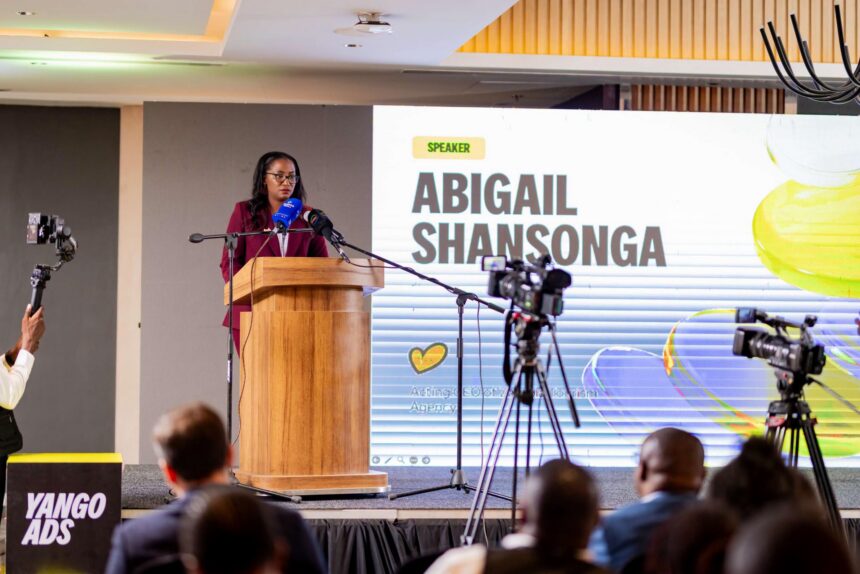
The Government of Zambia has called for stronger collaboration between the tourism industry and technology companies to increase the country’s visibility in international markets and attract more visitors. The call highlights the growing role of digital innovation, artificial intelligence (AI) and targeted advertising in helping travellers discover destinations, plan holidays and make bookings. Speaking at the launch of Yango Ads Connect, Ministry of Tourism Permanent Secretary Mr. Evans Muhanga, represented by Zambia Tourism Agency (ZTA) Acting Chief Executive Officer Ms. Abigail Shansonga, emphasised the importance of embracing modern technology to strengthen tourism marketing. The government views tourism as a strategic sector under the Grow Zambia Agenda, with a target of attracting five million international tourist arrivals by 2031. Achieving this ambition will require effective promotion, better access to travel information and stronger partnerships that connect Zambia’s tourism businesses with potential visitors around the world.
Digital technology is changing how people choose travel destinations and organise their trips. Travellers increasingly use online search engines, social media, travel websites and digital booking platforms to compare accommodation, explore attractions and assess available experiences before making decisions. This shift creates opportunities for Zambia to promote its wildlife, national parks, cultural heritage, adventure activities and other tourism attractions to audiences beyond traditional marketing channels. Digital advertising can help tourism businesses reach people who have shown an interest in particular destinations or travel experiences. By using these tools effectively, Zambia can improve its international visibility and make it easier for potential visitors to turn their interest into actual bookings.
Ms. Shansonga noted that digital advertising offers opportunities to reach international markets, convert interest into bookings and encourage tourists to explore more destinations within Zambia. This approach can help tourism businesses communicate directly with audiences whose interests match the experiences they offer. For example, a traveller searching for wildlife safaris could discover national parks, safari operators and nearby accommodation through targeted online campaigns. Visitors interested in cultural tourism could find information about local traditions, heritage sites and community-based experiences. Connecting these interests with clear travel information and reliable booking options could help distribute tourism activity across more destinations and businesses.
Artificial intelligence is also creating new opportunities for tourism marketing and customer engagement. AI-assisted tools can help businesses analyse customer interests, organise advertising campaigns and tailor promotional messages to different audiences. These tools may also support content creation, customer enquiries and the identification of travel trends. For smaller tourism operators with limited marketing budgets, accessible digital tools could make it easier to compete for attention in crowded online markets. However, effective use of AI still requires accurate information, responsible handling of customer data and human oversight to ensure that advertisements represent services and destinations honestly.
Small and medium-sized enterprises are among the businesses that could benefit from wider access to digital advertising in Zambia. These include guesthouses, tour operators, restaurants, transport providers, craft businesses and community-based tourism enterprises. Many smaller operators have limited resources to run large promotional campaigns or reach international customers independently. Digital platforms can provide additional ways to display their services, communicate with potential clients and promote special offers. If these tools remain affordable and accessible, they could help smaller businesses attract customers, increase sales and contribute to employment in local communities.
The role of community-based tourism is particularly important because tourism revenue can support livelihoods beyond major hotels and established tour operators. Local communities may offer cultural activities, traditional food, crafts, guided nature experiences and other services that give visitors a closer connection to the places they visit. Digital marketing can help these businesses reach travellers who want experiences beyond conventional tourist attractions. Better online visibility may also encourage visitors to spend more time in a destination and purchase services from local providers. For these benefits to last, communities need opportunities to participate in tourism planning, maintain the quality of their services and protect the cultural and natural resources that attract visitors.
The launch of Yango Ads Connect brought attention to the potential role of technology companies in strengthening Zambia’s tourism value chain. Ms. Shansonga said companies such as Yango could help connect visitors with local attractions, accommodation establishments, restaurants, transport providers and cultural experiences. Such connections can make travel planning more convenient by helping visitors identify services they need before and during their trips. They can also create opportunities for businesses to reach customers who might otherwise struggle to find them. The broader objective is to build stronger links between tourism promotion and the services that travellers use throughout their journeys.
Yango Country Manager Ms. Kabamba Chewe said digital innovation was transforming how businesses connect with customers, promote products and access new markets. She explained that Yango Ads Connect provides data-driven advertising solutions designed to help businesses reach relevant audiences, improve customer engagement and support growth. For tourism operators, targeted advertising can help focus promotional spending on people whose interests align with their services. Businesses may also use campaign performance information to assess which messages attract attention and where adjustments could improve results. The practical value of these tools will depend on their affordability, the quality of available data and the ability of businesses to turn online interest into paying customers.
Digital advertising can support tourism growth by making promotional campaigns more measurable. Businesses can monitor indicators such as advertisement views, clicks, enquiries and bookings to understand how audiences respond to their campaigns. This information can help operators decide which destinations or experiences to promote and how to allocate limited marketing budgets. It can also help tourism organisations identify gaps between online interest and completed bookings. However, clicks and online engagement do not automatically translate into increased tourist arrivals, so businesses must assess results against actual enquiries, sales and visitor activity.
Zambia has a range of tourism experiences that could benefit from stronger digital promotion. Wildlife viewing, national parks, waterfalls, adventure tourism, cultural attractions and community-based experiences can appeal to different types of international and domestic travellers. Digital campaigns can present these experiences to audiences based on their interests, travel preferences and intended activities. Clear information about transport, accommodation, prices, safety and booking arrangements can make the decision to visit easier. Promoting a wider range of destinations may also help tourism businesses attract visitors outside the most established travel routes, although success will depend on access, service quality and adequate supporting infrastructure.
Reaching the government’s target of five million international tourist arrivals by 2031 will require more than advertising alone. Tourism growth depends on several connected factors, including transport access, accommodation capacity, reliable visitor information, safety, service standards and the overall travel experience. Digital platforms can help potential visitors discover Zambia, but the country must also ensure that advertised experiences match what tourists encounter when they arrive. Strong coordination between government agencies, tourism businesses and technology companies can help address these needs. A sustained approach that combines promotion with investment in tourism services will be important to building confidence among international travellers.
Public-private partnerships are central to the approach discussed at the Yango Ads Connect launch. Government institutions can provide policy direction, promote national tourism priorities and support an enabling environment for business growth. Technology companies can contribute digital advertising tools, audience insights and platforms that help businesses reach potential customers. Tourism operators can provide the local knowledge and services needed to turn promotional campaigns into meaningful visitor experiences. Cooperation among these groups can help align tourism marketing with business needs and make it easier for smaller enterprises to participate in the sector.
The expansion of digital tourism marketing also raises practical issues that businesses will need to manage. Not every tourism operator has reliable internet access, sufficient digital skills or the resources to maintain a strong online presence. Training and support may therefore be needed to help smaller businesses create accurate listings, respond to customer enquiries and use advertising tools effectively. Companies must also ensure that promotional claims are truthful and that customer information is handled responsibly. Addressing these issues can help make digital transformation more inclusive and protect the trust that travellers place in online tourism services.
Sustainable tourism should remain an important consideration as Zambia expands its digital reach. Successful advertising can increase visitor numbers, but destinations also need to manage pressure on natural resources, wildlife habitats and cultural sites. Tourism operators and public agencies must consider how increased demand affects local communities and the environment. Responsible tourism promotion can encourage visitors to respect local customs, follow conservation guidelines and support businesses that operate sustainably. Integrating these considerations into tourism development can help Zambia grow its visitor economy while protecting the attractions that make the country distinctive.
The launch of Yango Ads Connect highlights the growing connection between digital innovation and Zambia’s tourism ambitions. Government has called for stronger cooperation with technology companies to use AI, targeted advertising and digital platforms to reach international travellers and support local enterprises. The initiative also draws attention to the potential for smaller tourism businesses and community-based operators to access wider markets. While technology can improve visibility and customer engagement, lasting results will depend on reliable services, skilled business owners, responsible marketing and effective partnerships. As Zambia works towards attracting five million international visitors by 2031, the combination of digital promotion, private-sector participation and sustainable tourism development could help create new business opportunities and strengthen the sector’s contribution to the national economy.