






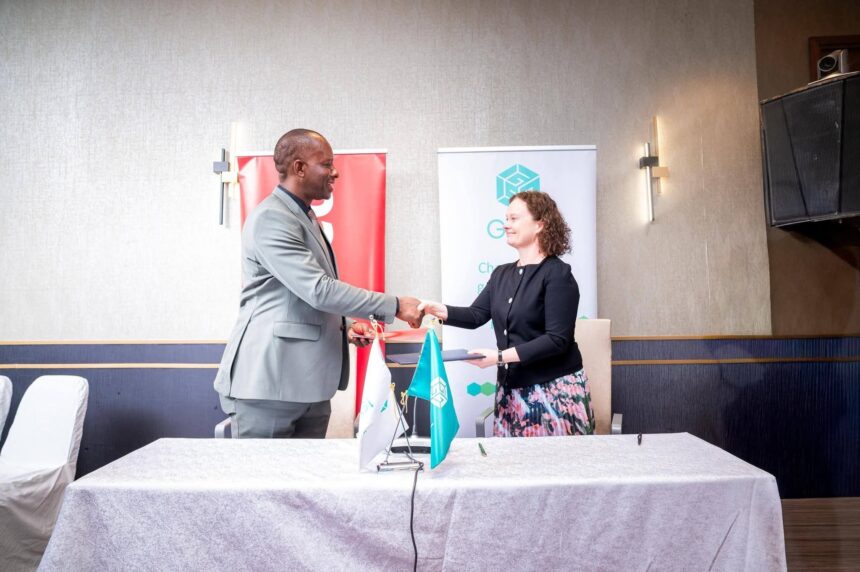
The Government of Zambia has secured a major carbon finance agreement with Norway, marking one of the largest Article 6 carbon deals in the country’s history. The agreement is aimed at accelerating solar energy investment and strengthening Zambia’s transition toward cleaner and more reliable power generation. Through the Ministry of Green Economy and Environment, and with technical support from the Global Green Growth Institute’s Carbon Transaction Facility, Zambia has positioned itself to attract significant climate-linked investment. The deal is designed to support independent power producers and increase solar energy supply to the national grid. It also strengthens Zambia’s standing in global climate cooperation under the Paris Agreement framework.
At the centre of the agreement is the Carbon Feed-In Premium Programme, which introduces a financial incentive system for solar energy producers. The programme will provide a top-up payment on existing electricity tariffs for solar power supplied to the national grid. This structure improves project profitability and reduces financial risks for investors entering the renewable energy market. It also makes solar projects more attractive to lenders by improving their bankability. The mechanism is expected to unlock private sector participation in a sector that has traditionally faced funding constraints. By stabilising returns, the programme creates a more predictable environment for long-term renewable energy investment.
Under the agreement, Norway will purchase carbon credits generated by participating solar projects over a 10-year period. These credits represent verified reductions in greenhouse gas emissions achieved through clean energy production. After the 10-year period, the carbon credits will contribute directly toward Zambia’s Nationally Determined Contributions under the Paris Agreement. This arrangement provides Zambia with both immediate financial support and long-term climate benefits. It also ensures that emission reductions are properly tracked and accounted for in national climate targets. The partnership reflects a structured approach to carbon markets that balances development needs with environmental responsibility.
The deal is expected to attract approximately 400 million United States dollars in investment into Zambia’s renewable energy sector. This level of funding is set to significantly expand solar power generation capacity across the country. It will also help reduce reliance on hydropower, which has been affected by climate-related challenges such as droughts. The Government views this diversification as critical to strengthening national energy security. The programme is aligned with Zambia’s broader strategy to stabilise electricity supply and support economic growth. Increased solar capacity is expected to reduce power shortages and improve access to electricity for households and industries.
The Carbon Feed-In Premium Programme is also designed to accelerate the country’s clean energy transition by supporting independent power producers. These private sector players will play a key role in expanding solar infrastructure and delivering electricity to the grid. The programme creates a structured pathway for investment by reducing uncertainty and improving project viability. It encourages innovation and competition in the renewable energy market. It also supports Zambia’s long-term goal of building a diversified and resilient energy mix. The Government has emphasised that this transition is necessary following the impact of the 2023 to 2024 drought on hydropower generation.
Zambia has expressed appreciation to the Kingdom of Norway for its continued partnership and confidence in the country’s climate and energy agenda. The collaboration reflects growing international support for Zambia’s efforts to address climate change while expanding sustainable energy access. Implementation of the programme will prioritise transparency, accountability and measurable emissions reductions. The Government has also called on independent power producers to take advantage of the opportunity, with the application window open from 1 April to 31 May 2026. As the programme moves toward implementation, it is expected to reshape Zambia’s renewable energy landscape and strengthen its position in global carbon markets through practical and investment-driven climate action.