


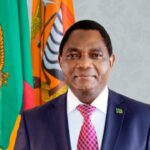




President Hakainde Hichilema has reinforced the government’s position on cultural preservation, stating that protecting national heritage is a duty that cannot be ignored. Speaking at the annual Ncwala Traditional Ceremony of the Ngoni people, he made it clear that culture plays a central role in shaping the country’s identity. The event, held in the Eastern Province, brought together traditional leaders, community members, and visitors in a celebration of heritage and unity. His remarks focused on the need for leaders to actively support and safeguard cultural traditions for future generations. He stressed that culture is not just symbolic but a living part of national development.
The President described culture as one of the strongest forces that unite the diverse communities of Zambia. With more than 70 ethnic groups, the country relies on shared respect and recognition of traditions to maintain social cohesion. He pointed out that cultural diversity should not divide citizens but instead serve as a foundation for mutual understanding and national pride. By promoting cultural practices, the government aims to strengthen identity while encouraging inclusivity across regions. This approach supports long-term stability and helps communities work together toward common goals.
President Hichilema also highlighted the role of traditional leaders in maintaining peace and unity at the grassroots level. He explained that when chiefs and other traditional authorities demonstrate cooperation and respect among themselves, they influence their communities to follow the same path. This leadership style creates an environment where people can live and work together without conflict. Strong traditional leadership also supports government efforts in development, as it helps align community values with national priorities. The President emphasized that unity at the leadership level translates into stronger and more resilient communities.
The Ncwala Traditional Ceremony itself was praised as a key cultural event that continues to grow in importance. Known for its vibrant displays of Ngoni traditions, the ceremony attracts both local and international visitors each year. The President noted that increasing tourist numbers reflect the event’s value not only as a cultural celebration but also as an economic driver. Tourism linked to such ceremonies creates jobs, supports local businesses, and brings attention to Zambia’s cultural richness. This makes cultural preservation an important part of economic planning, not just heritage protection.
In addition to its cultural value, the ceremony contributes to the broader tourism strategy of the country. Visitors who attend events like Ncwala often explore other attractions, which increases overall tourism revenue. The government sees this as an opportunity to invest more in infrastructure and promotion to support cultural tourism. By strengthening these efforts, Zambia can position itself as a leading destination for authentic cultural experiences. This aligns with the President’s vision of using heritage as a tool for both unity and economic growth.
President Hichilema concluded by assuring citizens that the government will continue to invest in and support traditional ceremonies across the country. He emphasized that preserving culture requires consistent effort, funding, and collaboration between the state and traditional institutions. These ceremonies are not only celebrations but also platforms for education, identity, and national pride. His message reinforced the idea that culture must remain a priority in national development strategies. With continued support and unity, Zambia can protect its heritage while building a stronger and more cohesive society.