






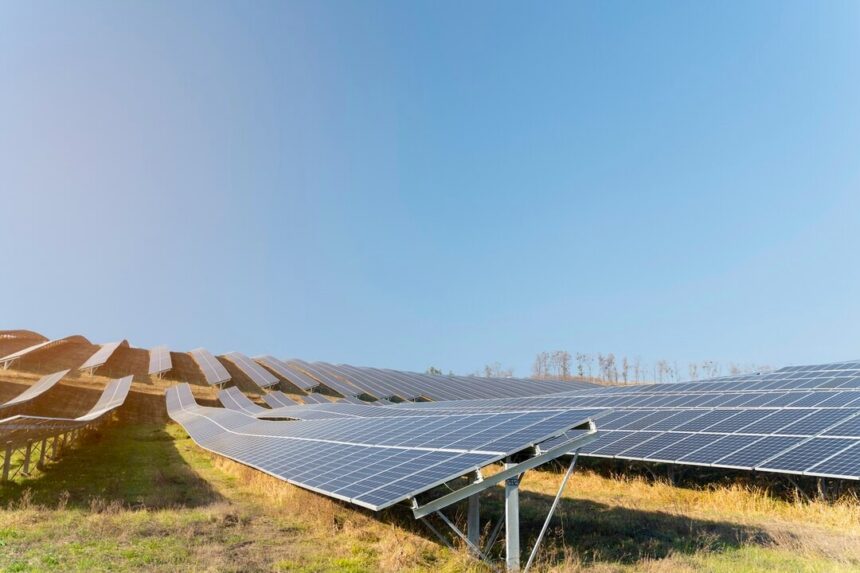
The Zambia Environmental Management Agency (ZEMA) has approved a combined 600 megawatts of solar power generation capacity to be developed in Mumbwa, Siavonga, and Chirundu districts, with an estimated investment of $414 million. The approval is part of Zambia’s ongoing efforts to expand its renewable energy mix and support a sustainable energy transition.
ZEMA Corporate Affairs Manager Ruth Kamwi said the agency also reviewed and approved a wide range of other projects. These include 67 mining and mineral processing initiatives, 25 energy projects, 51 infrastructure developments, 10 manufacturing and processing projects, and three agriculture, forestry, and tourism projects.
“These approvals mark a significant milestone in Zambia’s clean energy transition,” Kamwi said in a statement on Monday. “The solar power projects, in particular, will enhance national power supply, reduce reliance on fossil fuels, and support economic growth in local communities.”
The solar projects will be developed across three districts, with Mumbwa, Siavonga, and Chirundu strategically selected for their solar potential and accessibility to the national grid. The $414 million investment is expected to generate jobs, stimulate local economies, and increase Zambia’s capacity to meet rising electricity demand.
Kamwi added that the energy sector approvals demonstrate the government’s commitment to sustainable development. By promoting renewable energy, Zambia aims to diversify its energy sources, attract private sector investment, and align with regional and global clean energy goals.
In addition to energy projects, the approval of mining, infrastructure, manufacturing, and agriculture initiatives highlights a broader focus on economic growth while maintaining environmental standards. ZEMA continues to ensure that all developments meet environmental requirements, mitigating potential risks while supporting national development objectives.
The new solar power capacity and other approved projects are expected to play a crucial role in Zambia’s long-term economic and environmental strategy, reinforcing the country’s position as a leader in clean energy adoption in the region.