




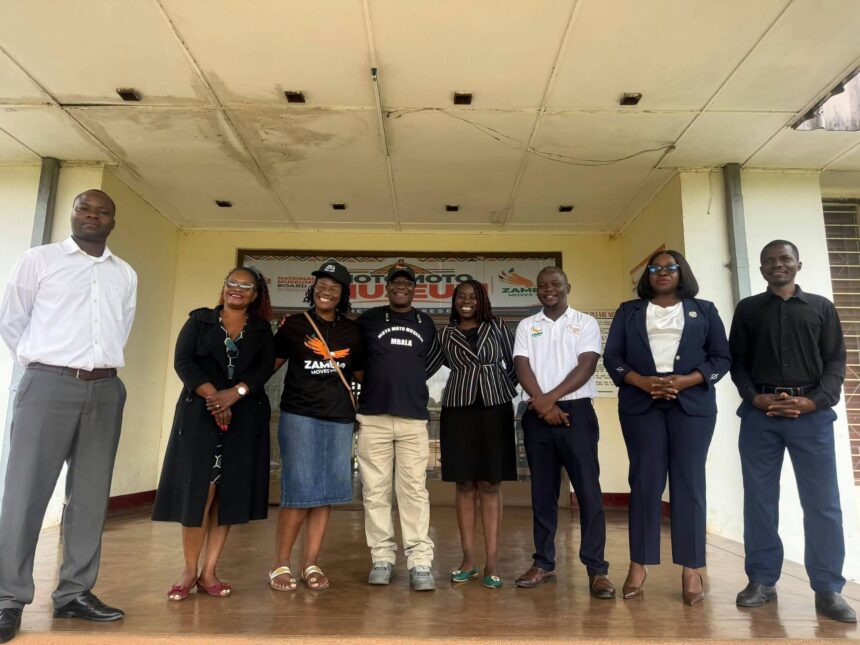
Zambia is stepping up efforts to diversify its tourism industry through community-based tourism initiatives aimed at preserving cultural heritage, creating local economic opportunities and attracting more visitors to the country. In a significant development for Northern Province, Director of Tourism Dr Andrew Chilufya has conducted a monitoring and evaluation visit to the Tourism Development Fund (TDF)-supported Ecotourism Project at the Moto Moto Museum in Mbala District. The visit focused on assessing the project’s implementation, achievements and challenges while identifying opportunities for further investment and future interventions. The initiative seeks to strengthen the museum’s tourism appeal by combining its cultural heritage with community-based experiences that give visitors a deeper understanding of local traditions and ways of life. The project also reflects the government’s broader commitment to developing Zambia’s cultural tourism sector and increasing community participation in the tourism value chain.
Dr Chilufya is in Northern Province to assess how the project has progressed and determine whether its objectives are delivering the intended benefits. His monitoring and evaluation exercise focused on the contribution of the ecotourism initiative to improving the tourism experience at the Moto Moto Museum. Particular attention was given to the integration of cultural activities and community participation into the museum’s existing tourism offering. The approach recognises that tourism attractions can become more appealing when visitors have opportunities to interact with local communities and experience their cultural traditions. It also creates opportunities for residents to benefit directly from tourism activities rather than simply serving as observers of development taking place around them.
The Moto Moto Museum, located in Mbala District, is an important cultural institution in Northern Province. It provides opportunities for visitors to explore aspects of the region’s history, cultural heritage and traditional way of life. By introducing additional community-based tourism experiences, the ecotourism project aims to make visits more engaging and provide a wider range of activities for domestic and international tourists. The initiative seeks to connect the museum’s cultural and historical value with the traditions and skills of surrounding communities. This approach could help position the museum as a destination where visitors can enjoy both heritage exhibitions and authentic cultural experiences.
A major component of the project involves giving local communities opportunities to showcase their cultural heritage through traditional dances, storytelling and traditional games. These activities offer visitors a chance to experience cultural practices that have been preserved and passed down through generations. Traditional dances can introduce tourists to local forms of artistic expression, while storytelling provides an opportunity to share community history, beliefs and customs. Traditional games can also create interactive experiences that allow visitors to learn about recreational activities that have played a role in community life. Together, these experiences can make the Moto Moto Museum more attractive to visitors seeking meaningful cultural tourism activities.
The project also places emphasis on local gastronomy and homestay tourism as ways of expanding the tourism experience. Local food provides an opportunity for communities to introduce visitors to traditional dishes, cooking methods and locally available ingredients. Homestay tourism, meanwhile, can allow visitors to experience aspects of everyday community life in a more personal setting. These activities have the potential to create income opportunities for households, food providers and other local tourism service operators. They can also encourage visitors to spend more time in the area, increasing the potential economic benefits for surrounding communities.
Explaining the project’s objectives, Dr Chilufya said the interventions were designed to strengthen community participation in the tourism value chain, diversify tourism products and enrich visitor experiences. He noted that the initiative also aims to create opportunities for improved local livelihoods through greater involvement in tourism activities. His remarks highlight the importance of ensuring that communities play an active role in developing and delivering tourism products. When local people participate in tourism planning and operations, they can benefit from the economic opportunities created by increased visitor numbers. This approach also encourages communities to protect and promote the cultural resources that make their destinations unique.
Dr Chilufya further explained that key project activities included enhancing cultural experiences, improving tourism-related infrastructure and increasing community involvement in the development and promotion of tourism products. These components are important for creating a tourism destination that can meet visitor expectations while supporting local participation. Improved infrastructure can help make cultural attractions and activities more accessible and comfortable for tourists. Stronger community involvement can also ensure that tourism products reflect local identity and traditions. Combining infrastructure improvements with cultural experiences and community participation provides a foundation for more sustainable tourism development.
The monitoring and evaluation exercise established that all planned activities under the project’s initial phase had been successfully implemented. This represents an important milestone for the Tourism Development Fund-supported initiative and demonstrates progress towards its original objectives. However, the assessment also identified the need for additional support and investment to consolidate the achievements recorded so far. Further interventions will be important in addressing outstanding gaps and ensuring that the project can operate sustainably over the long term. Successful implementation of the initial activities provides a foundation for future development, but continued investment will be necessary to maximise the project’s potential.
Dr Chilufya observed that the assessment had highlighted the importance of community ownership, heritage preservation and continued institutional support. He emphasised that tourism development should deliver meaningful and lasting economic and social benefits to the communities involved. Community ownership is particularly important because local residents are central to preserving and presenting their cultural heritage. Their participation can help ensure that tourism activities remain relevant to local traditions while providing opportunities for residents to benefit economically. Continued institutional support is equally necessary to strengthen management, improve tourism infrastructure and maintain the quality of the services offered to visitors.
Following the assessment, a recommendation was made to develop a proposal for the second phase of the project. The proposed Phase Two will take into account lessons learned during the initial implementation period and identify areas requiring further attention. According to Dr Chilufya, the next phase is expected to build on the achievements already recorded by strengthening community participation, expanding cultural tourism experiences and improving the project’s sustainability. This could provide an opportunity to address gaps identified during the monitoring exercise and introduce additional activities that enhance the museum’s tourism appeal. The proposal will therefore be important in determining how the initiative can progress beyond its initial achievements.
The proposed second phase could also strengthen the role of surrounding communities in managing and promoting tourism products. Greater participation in cultural performances, traditional food services, storytelling and homestay arrangements could create additional opportunities for local entrepreneurs. Community members may also benefit from opportunities to develop skills in hospitality, customer service and tourism product management. Such activities can help residents become more active participants in the tourism economy. However, their long-term success will depend on appropriate support, effective coordination and the protection of the cultural heritage being presented to visitors.
The Moto Moto Museum ecotourism initiative forms part of Zambia’s wider efforts to diversify its tourism products beyond conventional wildlife and nature-based attractions. The country has significant cultural resources that can attract visitors interested in history, traditional practices, local food and community experiences. Developing these attractions can help broaden the country’s tourism offering and encourage visitors to explore destinations outside the main tourism centres. Northern Province has opportunities to benefit from this approach through its cultural heritage and established attractions. Strengthening the tourism appeal of the Moto Moto Museum could therefore contribute to the province’s visibility within Zambia’s domestic and international tourism markets.
Community-based tourism also offers an opportunity to distribute the economic benefits of tourism more widely. When local residents participate in providing accommodation, food, cultural performances and other visitor services, tourism spending can support household incomes and small businesses. This can encourage communities to view cultural preservation as an important part of local economic development. It can also create incentives for younger generations to learn traditional practices and appreciate their cultural significance. For these benefits to continue, tourism development must respect local customs and ensure that communities have a meaningful role in decisions affecting their heritage.
The initiative also supports the government’s ambition to attract five million international tourists to Zambia by 2031. Achieving this target will require continued investment in tourism infrastructure, destination development, product diversification and marketing. Expanding cultural and community-based tourism experiences can help Zambia appeal to a wider range of international visitors. Tourists who seek authentic cultural encounters may be attracted to destinations that offer opportunities to interact with local communities and learn about traditional ways of life. Developing more of these experiences could strengthen Zambia’s competitiveness as a tourism destination while creating opportunities for local businesses.
The monitoring and evaluation visit by Dr Andrew Chilufya has provided an important assessment of progress made under the Tourism Development Fund-supported Ecotourism Project at the Moto Moto Museum. The successful implementation of all planned activities in the initial phase marks a positive step towards strengthening cultural and community-based tourism in Mbala District. At the same time, the identified need for further investment highlights the importance of building on these achievements through a well-planned second phase. By strengthening community ownership, preserving cultural heritage and expanding visitor experiences, the project has the potential to generate lasting benefits for local residents. Its continued development could also help position the Moto Moto Museum as an important cultural tourism destination while supporting Zambia’s wider ambition to attract five million international tourists by 2031.