



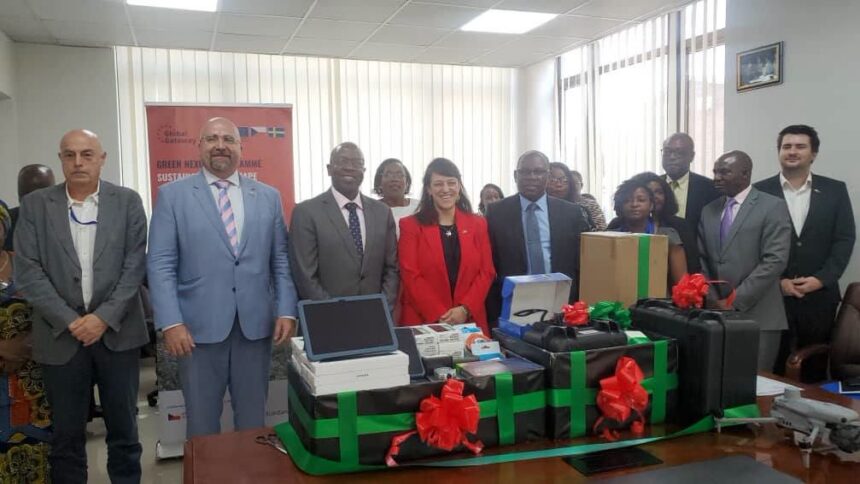
Zambia has received a drone, tablets and mobile phones from the European Union (EU) and the Czech Republic to strengthen forest monitoring, improve data collection and promote sustainable forest management. The equipment, provided under the Sustainable Landscapes through Integrated Management (SLIM) project, is expected to help forestry officers monitor changes in forest cover, detect wildfires, identify encroachments and collect accurate digital information. The support comes as Zambia continues to strengthen efforts to protect its forests and address environmental challenges linked to climate change and unsustainable land use. By introducing digital tools into forestry operations, the Ministry of Green Economy and Environment aims to improve the accuracy of field assessments and support better decisions on forest conservation. The initiative also reflects growing cooperation between Zambia and its international partners in promoting environmental protection and sustainable development.
The equipment handover marks an important step towards improving the use of technology in Zambia’s forestry sector. Forestry officers often need reliable information about forest conditions to identify emerging threats, monitor changes and plan appropriate interventions. A drone can help officers observe forest areas that may be difficult to access on foot or by vehicle, while tablets and mobile phones can support digital data collection in the field. These tools can make it easier to record observations, document environmental changes and share information with relevant authorities. Their effective use could help strengthen forest management by providing decision-makers with more timely and accurate information.
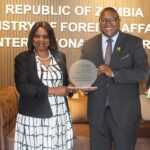
Permanent Secretary in the Ministry of Green Economy and Environment, Dr Douty Chibamba, said the support aligns with the Ministry’s commitment to promoting digital innovation and sustainable forest management. He also highlighted the importance of meeting Zambia’s climate change obligations through improved environmental monitoring and responsible natural resource management. Forests play an important role in maintaining biodiversity, supporting rural livelihoods and storing carbon, making their protection relevant to both environmental conservation and climate action. Reliable monitoring systems can help authorities understand where forest loss is occurring and identify areas that require attention. By strengthening its capacity to collect and analyse information, Zambia can improve the planning and implementation of forestry programmes.
One of the key uses of the donated drone will be monitoring changes in forest cover. Forest cover monitoring helps authorities identify areas where trees are being removed, land is being cleared or forest ecosystems are changing over time. Such information can support the investigation of possible illegal activities and help officials prioritise areas that require closer inspection. Drone-based observations can also complement information gathered through ground surveys and other monitoring methods. When the resulting data is properly checked and analysed, it can provide a clearer picture of forest conditions and support more informed decisions about conservation and land management.
The equipment is also intended to help forestry officers detect wildfires and identify encroachments into forest areas. Wildfires can damage vegetation, threaten wildlife and affect communities that depend on forest resources, while unauthorised activities can contribute to forest degradation. Timely information about potential threats can help authorities respond more quickly and direct available resources towards areas of concern. However, drones and digital devices are most effective when they form part of a wider monitoring system that includes trained personnel, clear reporting procedures and appropriate follow-up action. The equipment will therefore need to be supported by regular field operations and effective coordination among forestry officers and relevant institutions.
Digital data collection is another important part of the SLIM project’s contribution to forest management in Zambia. Using tablets and mobile phones can help officers record field observations in a consistent format and reduce reliance on handwritten records. Digital information can be easier to organise, review and share, depending on the systems used and the availability of connectivity. Accurate records can also help authorities compare observations over time, identify patterns and assess whether forest management measures are producing the intended results. For these benefits to be realised, officers will need appropriate training and clear procedures for collecting, storing and verifying information.
Dr Chibamba assured cooperating partners that the donated equipment would be used efficiently and transparently for its intended purpose. He also emphasised the importance of continued training to ensure that forestry officers can operate the devices properly and maintain them over time. Training is essential because the value of digital equipment depends not only on its availability but also on the skills of the people using it. Officers must understand how to collect reliable data, handle equipment safely and report findings through the appropriate channels. Proper maintenance and responsible management will also help protect the investment and extend the useful life of the equipment.
The European Union welcomed the initiative as part of its wider cooperation with Zambia on sustainable development. EU Team Leader Ms Lana Zutelija described the SLIM project as a flagship initiative under the EU’s Team Europe approach, which brings together expertise and resources to support Zambia’s development priorities. This approach is intended to encourage cooperation among partners and help coordinate support in areas where technical knowledge and investment are needed. In the forestry sector, collaboration can help strengthen institutional capacity, improve planning and introduce practical methods for managing natural resources. The equipment donation forms part of this broader effort to support more effective and sustainable landscape management.
The SLIM project also supports improved forest management planning through pilot District Forest Management Plans in five districts across Eastern, Southern, Central, Lusaka and Muchinga provinces. District-level planning can help authorities identify forest resources, assess local environmental pressures and establish priorities suited to the conditions of each area. It can also provide a framework for coordinating conservation activities and managing competing demands on land and forest resources. Including several provinces in the pilot programme provides an opportunity to apply the planning approach in different local settings. The experience gained from these plans could help inform future forest management efforts, although their wider impact will depend on implementation, available resources and continued monitoring.
Effective forest management planning is important for Zambia because forests support both environmental health and economic activity. Communities depend on forest resources for various livelihood needs, while businesses may rely on forest products and other activities connected to natural landscapes. Without careful management, unsustainable resource use can reduce forest cover and place pressure on ecosystems that are difficult to restore. District Forest Management Plans can help establish clearer priorities for balancing conservation with the responsible use of forest resources. Their success will depend on coordination between local authorities, forestry officers, communities and other stakeholders whose activities affect forest areas.
The use of technology under the SLIM project could also strengthen Zambia’s wider response to climate change. Forests store carbon and help support ecological systems, while deforestation and forest degradation can contribute to greenhouse gas emissions. Better information about forest cover and changes in land use can help authorities identify risks and plan appropriate conservation measures. Digital monitoring may also support more consistent reporting on forestry activities when combined with reliable data management and verification processes. Technology alone cannot prevent forest loss, but it can give decision-makers better information to guide enforcement, restoration and sustainable resource management.
The support from the European Union and the Czech Republic demonstrates the role that international cooperation can play in strengthening Zambia’s environmental institutions. The joint backing of the SLIM project combines external support with the work of national authorities responsible for forest management. Such partnerships can provide equipment, technical expertise and opportunities to develop skills that may otherwise be difficult to secure. Long-term results will depend on whether the tools are integrated into routine forestry operations and whether the institutions involved can sustain the work beyond individual project activities. Continued cooperation and effective use of resources will therefore be important to maintaining the benefits of the initiative.
Zambia’s receipt of a drone, tablets and mobile phones under the SLIM project represents a practical step towards modernising forest monitoring and improving sustainable forest management. The equipment is intended to help officers track forest cover, detect wildfires, identify encroachments and gather reliable digital data for decision-making. The project’s support for District Forest Management Plans in five provinces also highlights the importance of combining better technology with effective planning at local level. With proper training, transparent use of resources and consistent follow-up, these tools could strengthen the country’s ability to protect forests and manage natural resources responsibly. The long-term value of the initiative will depend on how effectively Zambia turns improved monitoring and planning into lasting environmental protection and sustainable development.