



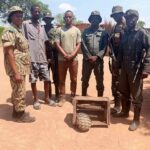


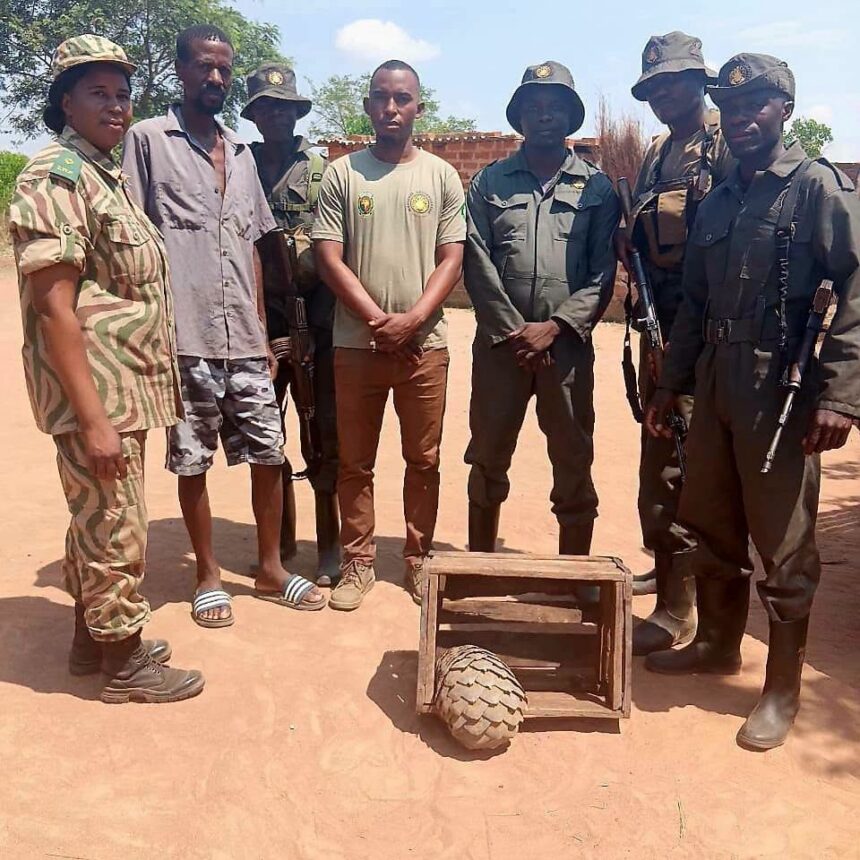
The Ministry of Tourism has commended a 43-year-old resident of Nkungula Village in Mumbwa District, Zambia, for demonstrating exceptional commitment to wildlife conservation after protecting an endangered pangolin and ensuring its safe handover to wildlife authorities. Mr. Musa Shamano’s actions have highlighted the important role local communities play in protecting endangered species and preserving the country’s natural heritage. The incident took place on 31 October 2026, when a pangolin was discovered near the family’s groundnut field. Rather than harming the unfamiliar animal or attempting to keep it, Mr. Shamano took steps to protect it and notify the relevant authorities. His responsible decision has been welcomed as an example of how ordinary citizens can make a meaningful contribution to wildlife conservation in Zambia.
The incident occurred in Nkungula Village, located in the Development Zone under Chief Mulendema in Mumbwa District. At approximately 01:00 hours on 31 October, Mr. Shamano’s wife discovered the unusual animal while safeguarding the family’s groundnut field against grazing cattle. Because she was unfamiliar with the animal, its unexpected presence caused concern. She initially feared that it might have some connection to witchcraft and immediately alerted her husband. Mr. Shamano also expressed similar concerns at first, but closer observation helped him identify the animal as a pangolin. Recognising the importance of protecting the creature, he decided to take responsibility for its safety rather than allow fear or uncertainty to determine how it was treated.
After identifying the animal, Mr. Shamano carefully secured it in a tomato crate to prevent it from wandering away or being exposed to potential harm. He then made arrangements to report the discovery to the Department of National Parks and Wildlife (DNPW). Later that morning, he visited the DNPW office in Nalusanga and informed wildlife officials about the animal. His decision to contact the authorities demonstrated an understanding that protected wildlife should be handled by people with the appropriate knowledge and experience. It also helped ensure that the pangolin received professional attention without unnecessary delays. This voluntary reporting was an important step in securing the animal’s safety and supporting the wider conservation efforts taking place in the area.
Following the report, the Department of National Parks and Wildlife contacted Musekese Conservation to assist with the rescue and safe handling of the pangolin. The organisation responded promptly and dispatched a team to the location where the animal had been secured. Upon arrival, the team found the pangolin safe and in good health. After assessing the situation, the conservation team arranged for the animal to be transported to Chunga Area Management Unit (AMU). The pangolin was subsequently taken for safe release into its natural habitat. The successful intervention demonstrated the value of effective coordination between local residents, government wildlife authorities and conservation organisations in responding to wildlife-related incidents.
The Ministry of Tourism has expressed particular satisfaction with the growing sense of responsibility demonstrated by communities living alongside wildlife. According to the Ministry, Mr. Shamano’s actions reflect the importance of community participation in protecting endangered species and safeguarding Zambia’s biodiversity. The Ministry emphasised that wildlife conservation cannot be achieved through government institutions alone. Local people often live closest to forests, game management areas and other natural habitats where protected animals are found. Their awareness, cooperation and willingness to report suspicious activities can make a significant difference in preventing wildlife crime and reducing threats to vulnerable species.
The Ministry stated that the protection of Zambia’s wildlife is a shared national responsibility and encouraged citizens to follow Mr. Shamano’s example. It noted that conservation begins at community level and that every individual has a role to play in protecting the country’s natural resources. The Ministry also recognised that responsible actions by ordinary citizens can strengthen national conservation programmes and improve the protection of endangered animals. By choosing to report the pangolin instead of harming or trading it, Mr. Shamano demonstrated the positive impact of individual responsibility. His actions also send an important message that communities should view wildlife as a valuable national resource that deserves protection.
Pangolins are among the world’s most heavily trafficked mammals and face serious threats from illegal wildlife trade. These distinctive animals are covered in protective scales and feed mainly on ants and termites. Their specialised feeding habits make them an important part of natural ecosystems because they help regulate insect populations. However, demand for pangolins and their scales in illegal markets has contributed to their vulnerability in several parts of the world. Habitat loss and other human-related pressures can also affect their survival. Protecting pangolins is therefore important not only for conserving an unusual wildlife species but also for maintaining ecological balance and preserving biodiversity.
Zambia’s natural environment supports a wide range of wildlife species that contribute to the country’s ecological wealth and tourism potential. Protected animals such as pangolins form part of this biodiversity and require effective conservation measures to ensure their continued survival. Illegal hunting, trafficking and the destruction of natural habitats can undermine these efforts. This makes public awareness and cooperation especially important in communities situated near wildlife habitats. When residents understand the importance of protected species and know how to report encounters, they become valuable partners in conservation. Mr. Shamano’s experience demonstrates how a simple decision to seek professional assistance can help prevent harm to an endangered animal.
The Ministry of Tourism has also highlighted the importance of communities living alongside wildlife as the first line of defence against illegal wildlife activities. Residents are often in a position to notice unusual movements, suspicious behaviour or encounters involving protected animals before authorities become aware of them. Their willingness to share information can help wildlife officers respond quickly and prevent potentially harmful situations. However, effective community participation requires trust, education and continued cooperation between residents and conservation institutions. Government agencies and conservation organisations must therefore continue strengthening relationships with local communities. Such partnerships can improve wildlife protection while encouraging people to recognise the long-term benefits of conserving their natural surroundings.
The Ministry has further commended the Department of National Parks and Wildlife and Musekese Conservation for their timely response and effective coordination during the incident. Their intervention ensured that the pangolin received appropriate attention and was transported for safe release. The cooperation between these institutions also demonstrated the importance of having established systems for responding to wildlife discoveries and emergencies. Quick communication between local residents and conservation professionals can reduce the risks associated with handling vulnerable animals. It can also help ensure that rescued wildlife receives suitable care and is returned to an appropriate natural environment whenever possible. The successful handling of this incident reflects the value of cooperation in achieving practical conservation outcomes.
Musekese Conservation is a Zambian-registered conservation organisation mandated to provide logistical support to the Department of National Parks and Wildlife in resource protection activities within the Mumbwa and Kasonso Busanga Game Management Areas. Its involvement in the rescue highlights the contribution that conservation organisations make to supporting government wildlife protection programmes. Such partnerships can strengthen field operations, improve response capacity and support efforts to protect natural resources. The organisation’s prompt deployment of a team following the report helped ensure that the pangolin was located and assessed without unnecessary delay. Its cooperation with DNPW also demonstrated how different institutions can work together to address conservation challenges. These collaborative efforts remain important for protecting wildlife across Zambia’s game management areas.
The Ministry of Tourism has reiterated the Government’s commitment to strengthening community engagement, conservation awareness and partnerships that empower local people to participate actively in wildlife protection. These efforts are important because successful conservation depends on more than laws and enforcement activities. Communities must also understand why endangered species matter and how their actions can contribute to protecting them. Public education can help address misconceptions about unfamiliar wildlife and encourage safer responses when animals are discovered near homes or agricultural fields. It can also discourage activities such as illegal hunting, wildlife trafficking and the keeping of protected animals without authorisation. By strengthening awareness and cooperation, the Government aims to build a stronger foundation for sustainable wildlife management.
Members of the public have been encouraged to report sightings of pangolins and other protected wildlife to their nearest Department of National Parks and Wildlife office. The Ministry has emphasised that people should not harm, keep or attempt to trade in such animals. Anyone who encounters unfamiliar wildlife should avoid unnecessary handling and seek guidance from qualified wildlife authorities. This approach helps reduce the risk of injury to both people and animals while allowing trained professionals to determine the most appropriate response. Public cooperation is particularly important in rural communities where people may encounter wildlife while farming, travelling or carrying out other daily activities. Prompt reporting can help authorities respond effectively and improve the chances of successful wildlife rescue and release.
Mr. Shamano’s actions provide an important example of responsible citizenship and community-led wildlife conservation in Zambia. His decision to protect the pangolin and report it to the relevant authorities helped ensure that the animal received the attention it needed. The incident also demonstrates that conservation does not always require specialised equipment or extensive resources from individual citizens. Sometimes, the most important contribution is recognising that an animal needs protection and contacting the right people for assistance. His wife’s discovery and her decision to alert her husband also played an important part in the successful outcome. Together, their actions show how awareness and cooperation within a household can contribute to protecting vulnerable wildlife.
The incident in Nkungula Village reinforces the importance of making wildlife conservation a shared responsibility among government institutions, conservation organisations and local communities. Protecting endangered species such as pangolins requires continued public education, effective law enforcement and timely responses to wildlife-related incidents. It also requires communities to understand that their natural surroundings are valuable resources that must be protected for future generations. The Ministry of Tourism’s recognition of Mr. Shamano sends a positive message about the importance of community participation in safeguarding Zambia’s biodiversity. His actions demonstrate how individual decisions can support wider national conservation goals.
Zambia’s wildlife remains an important part of its natural heritage and a foundation for the country’s sustainable tourism ambitions. Protecting endangered species helps preserve healthy ecosystems while maintaining the natural attractions that make the country valuable to visitors and future generations. The successful rescue and release of the pangolin in Mumbwa District is a reminder that meaningful conservation efforts begin with awareness, responsibility and cooperation. By following the example set by Mr. Musa Shamano, more citizens can contribute to preventing wildlife harm and supporting the work of conservation authorities. When local communities become active partners in protecting wildlife, Zambia strengthens its ability to preserve biodiversity, combat illegal wildlife trade and secure its natural heritage for generations to come.