






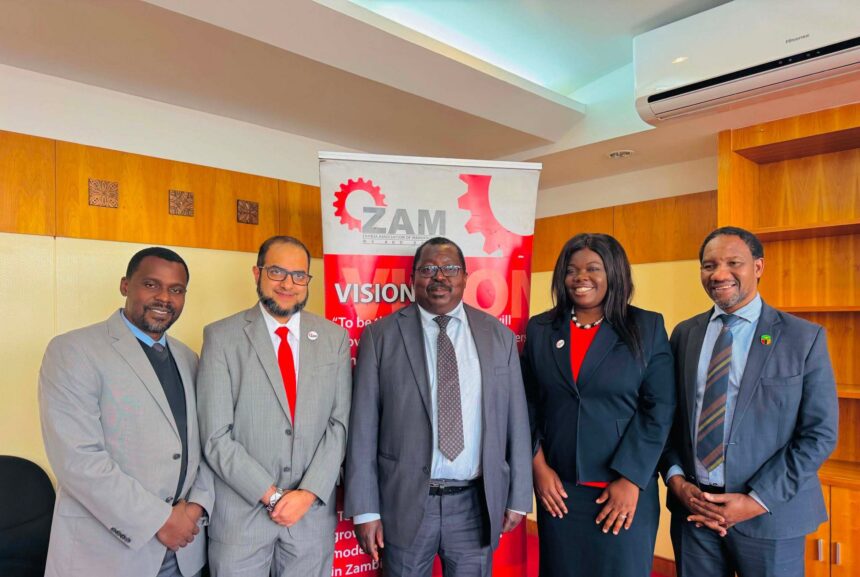
The Zambian Government has reaffirmed its commitment to implementing reforms aimed at improving the country’s business environment, attracting investment and driving economic transformation. The focus remains on creating conditions that support private sector growth, industrial expansion and increased participation in the manufacturing sector. Speaking during the 2026 Manufacturers’ Month media briefing, Permanent Secretary for Investment and Industrialisation Mr. Crusivia C. Hichikumba highlighted the importance of ongoing reforms in building a more competitive economy. He said the government’s efforts are focused on creating a conducive environment where businesses can grow and contribute to national development. These initiatives form part of broader efforts to position Zambia as an attractive destination for local and international investors.
Mr. Hichikumba explained that economic transformation can only be achieved through sustained investment, industrial growth and value addition. He noted that the government has continued to introduce and support policies designed to strengthen private sector development and encourage businesses to expand their operations. Manufacturing remains a key sector in Zambia’s economic transformation agenda because it creates employment opportunities, supports local production and increases the value of raw materials. By promoting industrial growth, the country aims to reduce dependence on raw commodity exports and develop stronger domestic industries. The government believes that a thriving manufacturing sector will play an important role in achieving long-term economic growth.
The Permanent Secretary revealed that Zambia has recorded US$19 billion in actualised investments, describing the achievement as a sign of increasing investor confidence in the country’s economy. The investment figures reflect growing interest from businesses that see opportunities within Zambia’s various economic sectors. Increased investment can support the expansion of industries, improve production capacity and create new employment opportunities for citizens. The government has continued working to strengthen investor relations by improving policies, reducing barriers and creating a more predictable business environment. The recorded investments demonstrate progress in efforts to attract capital that supports economic development.
Mr. Hichikumba further emphasised that government remains committed to working closely with industry stakeholders to advance industrial development. He stated that Zambia continues to position itself as a reliable partner for businesses and organisations involved in manufacturing and investment. Collaboration between government, manufacturers and other private sector players is considered essential for addressing challenges affecting industrial growth. The partnership approach allows stakeholders to identify solutions that improve competitiveness and support sustainable business development. Government’s support for Manufacturing Month activities also reflects its commitment to recognising and promoting the contribution of industry players to the economy.
The manufacturing sector is expected to play a central role in Zambia’s efforts to achieve economic transformation and Vision 2030 goals. Strong manufacturing capacity allows countries to produce more finished goods, develop local supply chains and create additional economic opportunities. Zambia’s focus on value addition aims to ensure that more benefits are gained from the country’s natural resources and agricultural products. Industrial growth can also encourage innovation, skills development and technology transfer within the economy. These outcomes are important for building a more inclusive economy that benefits businesses, workers and communities.
Meanwhile, Zambia Association of Manufacturers (ZAM) President Mr. Mohammed Umar officially announced that the 16th Annual Manufacturing Month will take place in September. The event will be held under the theme, “Towards Vision 2030: Resurgent Manufacturing for a Prosperous and Inclusive Economy.” The theme highlights the importance of manufacturing in supporting Zambia’s long-term development objectives. It also reflects the progress made in strengthening the sector while recognising the need for continued improvements. Manufacturing Month provides a platform for industry stakeholders to discuss opportunities, challenges and strategies for advancing industrial development.
Mr. Umar said the chosen theme reflects the significant progress Zambia has made in developing its manufacturing industry. He noted that the sector remains critical to achieving the country’s economic aspirations and must continue receiving attention on the national development agenda. Manufacturing has the potential to support job creation, increase exports and improve Zambia’s economic resilience. However, achieving these goals requires consistent policies and collaboration between government and industry players. ZAM continues to advocate for measures that strengthen the competitiveness and sustainability of manufacturers operating in the country.
One of ZAM’s key priorities is the establishment of a predictable long-term tax policy framework that allows businesses to plan and invest with greater confidence. Mr. Umar explained that stable policies are essential for manufacturers because they influence investment decisions, production costs and long-term growth strategies. A predictable tax environment can encourage companies to expand operations and attract new investors into the manufacturing sector. He also highlighted the importance of effectively implementing local content policies to support domestic businesses and increase participation in value chains. These policies can help strengthen local industries while creating more opportunities for Zambian companies.
Local content policies are viewed as an important tool for increasing the involvement of local businesses in economic activities. By encouraging the use of locally produced goods and services, these policies can support small and medium-sized enterprises while strengthening domestic supply networks. For the manufacturing sector, stronger local participation can improve competitiveness and create opportunities for businesses to grow. ZAM’s continued advocacy reflects the industry’s desire for policies that balance economic growth with the development of local capacity. Effective implementation of these measures could contribute to a more sustainable manufacturing environment.
The government’s continued focus on investment promotion and industrial development highlights the importance of manufacturing in Zambia’s economic future. Reforms aimed at improving the business environment are expected to support greater investor confidence and encourage private sector participation. The partnership between government and industry organisations such as ZAM will remain important in addressing challenges and identifying opportunities for growth. Manufacturing Month will provide an opportunity to showcase achievements while discussing strategies for further development. Zambia’s progress in attracting investment and strengthening industrial policies demonstrates its commitment to building a more productive and diversified economy.
Zambia’s manufacturing sector stands at an important stage as the country works towards Vision 2030 and broader economic transformation goals. Government reforms, increased investment and industry-led initiatives are creating a foundation for stronger industrial growth. The commitment to improving the business environment shows a recognition that sustainable development depends on collaboration between public institutions and private sector players. With continued focus on value addition, policy stability and local industry support, manufacturing can become a stronger driver of economic progress. The efforts highlighted during the 2026 Manufacturers’ Month briefing demonstrate Zambia’s determination to build a competitive, inclusive and investment-friendly economy.