





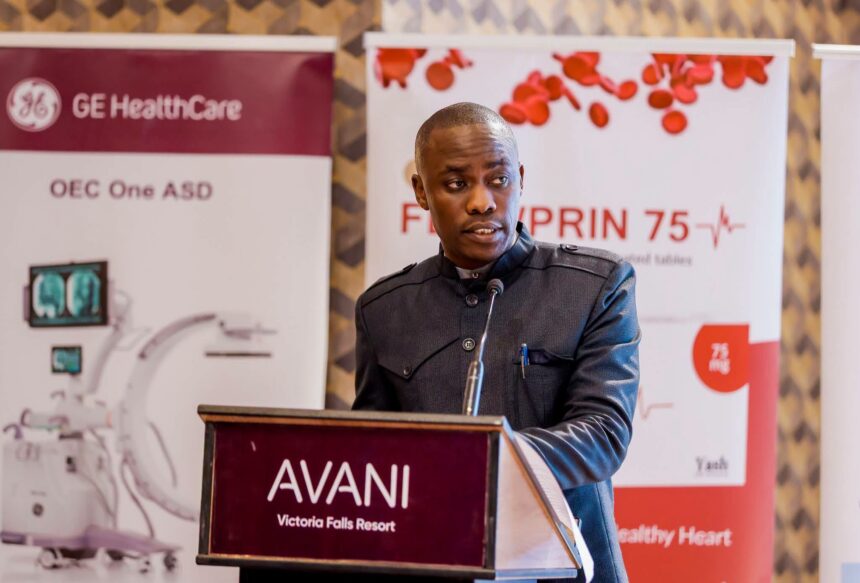
Zambia’s healthcare sector is entering a critical period of transformation as the Zambia Medical Association (ZMA) has called for increased domestic investment to safeguard the country’s health gains while the Government has reaffirmed its commitment to strengthening the national health system. These commitments were announced during the official opening of the 62nd Zambia Medical Association Scientific Conference and Annual General Meeting at the Avani Victoria Falls Resort in Livingstone. The three-day gathering has brought together medical professionals, policymakers, researchers, development partners and other key stakeholders to discuss sustainable healthcare financing and strategies for improving healthcare delivery. Held under the theme, “Safeguarding Zambia’s Health Gains in a Resurging Economy: Leveraging Domestic Resources for Sustainable Health Financing,” the conference is focusing on how Zambia can build a more resilient and self-sustaining health system. The discussions come at a time when many developing countries are adapting to declining donor support and increasing pressure on domestic healthcare resources.
Opening the conference, Zambia Medical Association President Dr. Masiku Phiri described the current moment as a defining point for the country’s healthcare system. He emphasized that Zambia must make sustainable healthcare financing a national priority as traditional donor funding continues to decline. According to Dr. Phiri, Zambia has achieved remarkable progress over the years through strong collaboration between healthcare workers, Government and cooperating partners. These achievements include major advances in the fight against HIV, Tuberculosis and Malaria, reductions in maternal and child mortality, expanded immunisation programmes and stronger disease surveillance systems. He noted that these successes have significantly improved public health outcomes but warned that maintaining these gains will require greater reliance on domestic resources.
Dr. Phiri pointed out that global economic uncertainty and geopolitical changes are placing additional strain on health systems across many developing nations. He said the period when donor funding could consistently fill financing gaps is gradually coming to an end. As a result, Zambia must strengthen domestic resource mobilisation, improve efficiency in healthcare spending and establish a resilient system capable of sustaining itself regardless of changing international conditions. He stressed that investing in healthcare should not only be viewed as a social responsibility but also as an investment in national economic development. According to the ZMA President, a healthy population contributes directly to productivity, economic growth and long-term national prosperity.
While acknowledging the challenges facing the health sector, Dr. Phiri also recognized significant progress made by the Government over recent years. He commended the recruitment of approximately 20,000 healthcare workers over the past five years, increased funding for the health sector, the continued expansion of the National Health Insurance Management Authority (NHIMA) and the use of the Constituency Development Fund to improve healthcare infrastructure and services. He said these measures have strengthened healthcare delivery across many communities and demonstrated the Government’s commitment to improving public health. However, he noted that additional work remains necessary to address persistent structural and workforce challenges. He urged all stakeholders to continue building on these achievements while implementing further reforms.
Despite the progress, Dr. Phiri identified several issues that continue to affect healthcare delivery across Zambia. He highlighted ongoing shortages of healthcare workers, delayed career progression for medical professionals, prolonged acting appointments and a limited number of consultant positions within the public health system. He also raised concerns about governance challenges affecting key health institutions, arguing that these issues impact accountability and service delivery. To address these concerns, he called for faster recruitment of qualified healthcare professionals, timely promotions, strengthened support for NHIMA and increased domestic investment in healthcare. He further appealed for the appointment of substantive boards and executive leadership in health institutions to improve governance, transparency and operational efficiency.
Responding to the concerns raised by the medical fraternity, Permanent Secretary for Technical Services at the Ministry of Health, Dr. Kennedy Lishimpi, reaffirmed the Government’s commitment to implementing comprehensive reforms across the health sector. Speaking during the official opening ceremony, Dr. Lishimpi assured delegates that Government had carefully noted the issues raised by healthcare professionals and was already taking action to address them. He stated that the Government remains committed to protecting Zambia’s health gains by building a resilient, efficient and sustainably financed healthcare system aligned with the country’s Universal Health Coverage agenda. According to Dr. Lishimpi, strengthening healthcare financing, workforce development and institutional governance remains a top national priority. He emphasized that collaboration with healthcare professionals is essential to achieving lasting improvements.
Dr. Lishimpi revealed that Government has recruited 23,560 healthcare workers during the past five years, exceeding the earlier figure highlighted by the Zambia Medical Association. He explained that the recruitment included 4,216 healthcare workers during 2024 and another 3,205 earlier this year. In addition, Government plans to recruit a further 2,600 healthcare workers before the end of 2026 to help reduce staffing shortages across the country. While acknowledging that many qualified healthcare professionals remain unemployed, he said the Ministry is developing the National Human Resources for Health Strategic Plan for the period 2027 to 2031. The strategy will focus on strengthening recruitment, improving career progression, promoting merit-based advancement, expanding consultant positions and improving staff retention throughout the health sector.
The Permanent Secretary also announced measures aimed at improving human resource management within the Ministry of Health. Administrative processes relating to study leave, promotions and acting appointments will be streamlined through the digitalisation of human resource management systems. These reforms are intended to improve efficiency, reduce delays and ensure greater transparency in personnel management. Dr. Lishimpi said digital transformation will enable faster decision-making while improving accountability across the health workforce. He noted that modernising administrative systems is essential for creating a more responsive and effective healthcare sector.
Healthcare financing formed another major focus of the conference. Dr. Lishimpi announced that Government is strengthening the National Health Insurance Management Authority by broadening its contribution base, improving reimbursement systems, increasing collaboration with private healthcare providers and enhancing overall efficiency in resource utilisation. He further disclosed that the national health budget allocation has increased steadily from 8.1 percent in 2021 to 10.3 percent in 2026. This growth reflects Zambia’s continued progress toward achieving the Abuja Declaration target of allocating 15 percent of the national budget to healthcare. According to the Ministry, increasing domestic investment in health financing is essential for ensuring sustainable healthcare services in the years ahead.
The Government is also continuing to use the Constituency Development Fund to expand healthcare infrastructure across Zambia. Dr. Lishimpi explained that the funding is supporting the construction of health facilities, maternity annexes, staff accommodation, ambulances and improved water and sanitation infrastructure in communities across the country. These investments are expected to improve access to quality healthcare services, particularly in underserved rural areas. He also announced that the Ministry is developing a Health Financing Reform Framework designed to improve efficiency, accountability and innovation in the management of health resources. The framework aims to ensure that available resources are used more effectively while supporting long-term sustainability.
Governance reforms were also highlighted as a key component of the Government’s broader healthcare strategy. Dr. Lishimpi said the Ministry, working closely with Cabinet Office, is accelerating the appointment of substantive boards and senior executives across health institutions and regulatory agencies. He further revealed that a Health Sector Governance Charter will be launched later this year to strengthen leadership, institutional performance, transparency and stakeholder engagement throughout the healthcare system. According to the Permanent Secretary, stronger governance structures are essential for improving accountability and maintaining public confidence in healthcare institutions. These reforms are expected to create a more effective and better managed health sector capable of responding to future challenges.
Both Dr. Phiri and Dr. Lishimpi emphasized that sustainable healthcare can only be achieved through strong partnerships involving Government, healthcare professionals, academic institutions, development partners and the private sector. They agreed that collaboration is essential for advancing Universal Health Coverage and protecting the significant health gains Zambia has achieved over recent decades. Throughout the conference, delegates will participate in scientific presentations, research dissemination and discussions covering communicable and non-communicable diseases, trauma care, maternal and child health, digital health, artificial intelligence, healthcare financing and broader health systems strengthening. The conference is expected to generate practical recommendations that will shape future healthcare policies and improve service delivery nationwide. Officially declaring the conference open, Dr. Lishimpi encouraged delegates to transform their discussions into concrete actions and innovative solutions that will strengthen Zambia’s healthcare system and secure a healthier future for every citizen.