






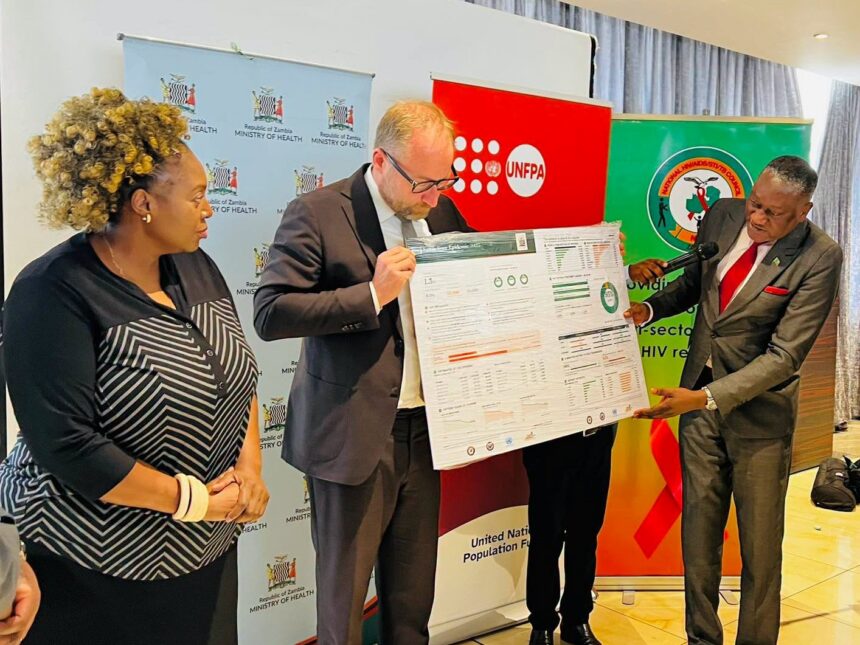
Zambia has made significant progress in the fight against HIV, with new 2025 HIV Spectrum Estimates showing that approximately 1,308,000 people are living with HIV in the country. The figure represents a slight decline from the estimated 1,311,000 people living with HIV in 2023. Government says the relatively stable number reflects the combined effects of new infections, increased access to HIV treatment and declining AIDS-related deaths. The latest figures point to the impact of sustained investment in HIV prevention, testing, treatment and care across the country. However, health authorities have stressed that the progress must not lead to complacency as Zambia works towards further reducing new infections and HIV-related deaths.
Speaking during the dissemination of the 2025 HIV Spectrum Estimates, Ministry of Health Permanent Secretary for Technical Services, Dr. Kennedy Lishimpi, said the latest data demonstrates the impact of Zambia’s HIV treatment programmes. He explained that the stability in the number of people living with HIV reflects a balance between new HIV infections, treatment uptake and AIDS-related deaths. This balance provides an important indication of how interventions have changed the trajectory of the epidemic over the years. Greater access to antiretroviral treatment has enabled more people living with HIV to receive care and live longer lives. At the same time, continued prevention efforts remain essential to ensure that the number of new infections declines significantly.
One of the most notable achievements highlighted by the Ministry of Health is the reduction in mother-to-child transmission of HIV. The transmission rate has fallen dramatically from 34.4% in 2005 to 6.12% in 2025. This decline demonstrates the progress made through programmes designed to prevent pregnant women living with HIV from transmitting the virus to their babies. Increased access to antenatal services, HIV testing and treatment has played an important role in protecting mothers and children. Despite the progress, Zambia still has work to do before reaching the World Health Organization dual elimination threshold of below 5%.
Dr. Lishimpi said the country must accelerate efforts to close the remaining gaps in preventing mother-to-child transmission. These gaps include antenatal care attendance, early infant diagnosis and the continued retention of HIV-positive mothers and their infants in care. Maintaining consistent follow-up throughout the recommended 18-month period remains important because it allows health workers to monitor mothers and children and provide treatment when needed. Women who begin HIV care during pregnancy also need continued support after delivery to ensure that they remain connected to health services. Closing these gaps could help Zambia move closer to eliminating mother-to-child transmission as a public health concern.
The country has also recorded a substantial decline in the number of children living with HIV over the past two decades. Estimates show that the number fell from approximately 137,000 children in 2005 to 59,000 in 2025. New paediatric HIV infections have also dropped sharply, from an estimated 23,000 in 2005 to about 2,700 in 2025. These figures demonstrate the impact of Zambia’s elimination of mother-to-child transmission programme and related interventions. Preventing new infections among children remains a major priority because reducing paediatric HIV contributes to a healthier generation and reduces the long-term burden on families and the health system.
Despite the progress among children, gender disparities remain an important concern in Zambia’s HIV response. Women accounted for approximately 64% of all people living with HIV in 2025. The figures show that prevention and treatment strategies must continue to address the specific social and health factors that increase HIV vulnerability among women. Adolescents and young people also remain a key population requiring targeted interventions. Young people aged 15 to 24 accounted for an estimated 6,000 new infections, representing 37% of all new adult infections, while young women accounted for 79% of these infections.
The figures involving adolescent girls and young women highlight the need for stronger prevention programmes that respond to the realities faced by young people. HIV prevention cannot rely on one intervention because young people require access to accurate information, testing services, prevention options and appropriate health support. Government has identified the expansion of DREAMS programming for adolescent girls and young women as one of the measures that can strengthen prevention efforts. Such programmes can help address HIV risks while supporting young women with services designed around their specific needs. Continued investment in youth-focused HIV prevention will be essential if Zambia is to achieve its long-term goal of reducing new infections.
Zambia has also achieved a significant reduction in AIDS-related deaths. Dr. Lishimpi said the country recorded an estimated 16,000 AIDS-related deaths in 2025, compared with approximately 66,000 in 2005. The reduction represents major progress over a period of two decades and reflects the growing impact of HIV treatment and care programmes. Earlier diagnosis and increased access to antiretroviral therapy have helped many people living with HIV manage the condition and avoid serious complications. The decline in AIDS-related deaths also demonstrates why maintaining access to testing, treatment and long-term care remains essential.
However, Advanced HIV Disease continues to present a major challenge and remains an important driver of AIDS-related deaths in Zambia. People who reach advanced stages of HIV infection can face serious health complications and require timely clinical interventions. Dr. Lishimpi has called for stronger screening, treatment and clinical management, particularly among populations that are hardest to reach. Finding people with advanced HIV disease earlier can improve their chances of receiving appropriate treatment and reducing the risk of severe illness. Strengthening these services will therefore remain an important part of Zambia’s broader strategy to reduce preventable HIV-related deaths.
Government is also strengthening HIV prevention through several measures aimed at reducing new infections. These include accelerating the rollout of long-acting injectable pre-exposure prophylaxis, commonly known as PrEP, which provides an additional HIV prevention option for people at risk of acquiring the virus. Authorities also plan to expand DREAMS programming for adolescent girls and young women while sustaining and scaling up Voluntary Medical Male Circumcision. These interventions form part of a broader prevention strategy that recognises the different factors contributing to HIV transmission. Government is also strengthening Advanced HIV Disease management while aligning national programmes with global targets.
One of the major ambitions identified by the Ministry of Health is reducing new HIV infections to below 10,000 by 2030. Achieving this target will require sustained commitment from Government, health workers, communities, cooperating partners and individuals. Prevention programmes will need to reach people who remain at higher risk while ensuring that HIV testing and treatment services remain accessible. Communities will also play an important role in reducing stigma and encouraging people to seek testing and treatment without fear of discrimination. A coordinated response will be necessary to ensure that Zambia builds on the progress recorded over the past 20 years.
The 2025 HIV Spectrum Estimates provide important evidence of how Zambia’s HIV response has evolved since 2005. The decline in paediatric infections, mother-to-child transmission and AIDS-related deaths demonstrates the impact of sustained interventions across the health sector. At the same time, the figures highlight areas where additional attention is required, particularly among women, adolescent girls and young women, as well as people living with Advanced HIV Disease. The relatively stable number of people living with HIV also shows why prevention and treatment must continue together. While more people are living longer with HIV because of improved treatment, preventing new infections remains critical to changing the epidemic further.
Zambia’s progress in the fight against HIV represents an important public health achievement, but the latest figures also reinforce the need for continued action. Reducing mother-to-child transmission from 34.4% in 2005 to 6.12% in 2025 and AIDS-related deaths from 66,000 to 16,000 shows how sustained health interventions can produce significant results. The sharp decline in paediatric HIV infections further demonstrates the value of prevention programmes targeting mothers and children. However, the country must continue addressing new infections among young people, gender disparities and Advanced HIV Disease if it is to reach its future targets. As Dr. Lishimpi emphasised, the figures represent real people and real lives, making renewed commitment, strong partnerships and effective HIV strategies essential to Zambia’s continued progress toward ending HIV as a public health threat.