






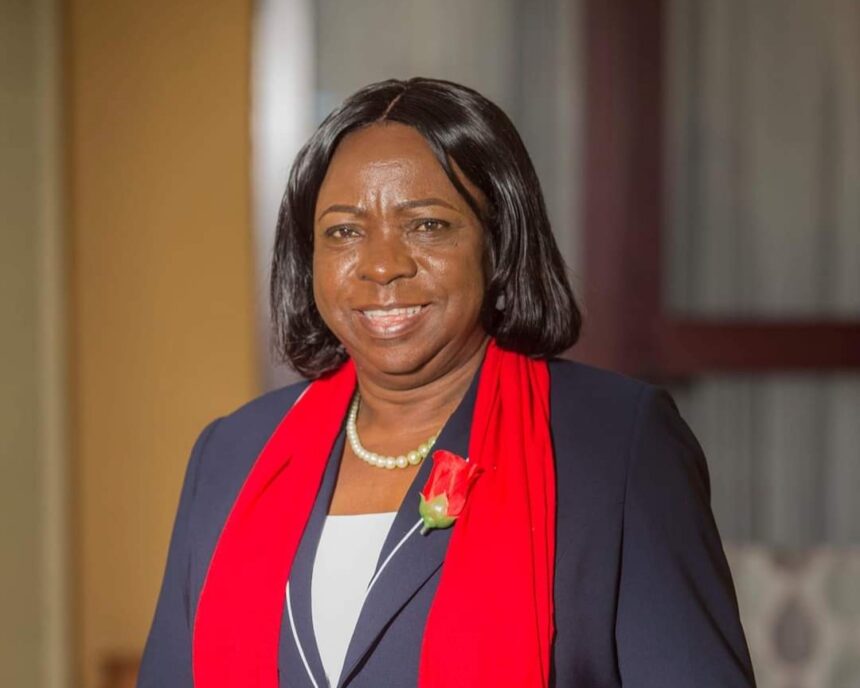
The Zambian Government has reaffirmed its commitment to improving access to clean water and sanitation services through a series of reforms and investments aimed at strengthening the sector. Speaking during the 14th Zambia Water Forum and Exhibition (ZAWAFE), Vice-President Mutale Nalumango highlighted key measures that demonstrate the Government’s determination to address long-standing challenges in water supply and sanitation. Held under the theme “From Commitment to Action: Accelerating Integrated Resilience Solutions for Vision 2030 and the SDGs,” the event brought together policymakers, development partners, private sector representatives, and experts to discuss sustainable solutions for the future. Among the most significant announcements was the decision to zero-rate tax on water treatment chemicals, a move designed to lower operational costs for water utilities. This policy is expected to improve affordability and expand access to safe drinking water for communities across Zambia.
Mrs. Nalumango explained that the tax exemption on water treatment chemicals has already reduced costs for water supply and sanitation companies, creating opportunities to improve service delivery. Lower operating expenses allow utility companies to invest more resources into infrastructure upgrades, maintenance, and service expansion. The Vice-President emphasized that access to clean water remains a critical national priority because it directly affects public health, economic growth, and social development. She noted that water is essential for agriculture, energy production, and the preservation of ecosystems that support livelihoods throughout the country. By reducing barriers within the sector, the Government aims to ensure that more citizens can benefit from reliable and affordable water services.
The ZAWAFE exhibition also served as a platform for showcasing innovative technologies and solutions designed to improve water and sanitation systems. Participants explored advancements in water treatment, climate resilience, sanitation infrastructure, and resource management. Mrs. Nalumango stated that the New Dawn administration has worked to create a conducive environment for increased investment in climate-resilient infrastructure projects, including dams, boreholes, and sanitation facilities. She added that Government support for commercial water utilities remains a key strategy for expanding service coverage and improving quality. Public-private partnerships are also being encouraged to mobilize resources, drive innovation, and accelerate development within the sector.
Despite ongoing progress, Zambia continues to face significant challenges in achieving universal access to clean water and sanitation. According to Mrs. Nalumango, access to safe drinking water currently reaches approximately two-thirds of the population, with notable differences between urban and rural communities. Basic sanitation coverage remains below half of the total population, highlighting inequalities that require urgent attention. These figures demonstrate the scale of the work that remains to be done in ensuring equitable service delivery. The Vice-President urged private sector players to take advantage of the reforms and investment opportunities now available within the water and sanitation sector.
The Government is also reviewing legislation, including the Water Supply and Sanitation Act, to strengthen governance and improve regulatory frameworks. These reforms are intended to enhance efficiency, increase accountability, and support fair access to services across all regions of the country. Strong governance structures are viewed as essential for ensuring that investments translate into measurable improvements for communities. By modernizing regulations, the Government hopes to create a more effective system capable of responding to current and future challenges. Such reforms are expected to provide a solid foundation for long-term sector growth and sustainability.
Climate change remains one of the most pressing issues affecting water resources in Zambia. Mrs. Nalumango pointed to climate variability, droughts, floods, rapid urbanization, and increasing demand as major pressures on water systems. She referenced the flash floods experienced during the recent rainy season, particularly in districts such as Lundazi, as evidence of the urgent need for climate adaptation measures. These events have reinforced the importance of building resilient infrastructure capable of withstanding extreme weather conditions. Addressing climate-related risks has therefore become a central component of Zambia’s water and sanitation strategy.
The Vice-President also highlighted broader government efforts to strengthen resilience through energy diversification. Under the leadership of President Hakainde Hichilema, Zambia has expanded beyond its traditional dependence on hydropower by investing in solar, wind, and other renewable energy sources. This approach has helped stabilize energy supply while reducing vulnerability to climate-related disruptions. Reliable energy is closely linked to the efficient operation of water infrastructure, making diversification an important part of the broader development agenda. The integration of water, energy, and climate strategies reflects a comprehensive approach to national resilience.
Other stakeholders at the forum emphasized the importance of collaboration and sustainable resource management. Ministry of Water Development and Sanitation Permanent Secretary Romas Kamanga noted that rapid population growth and climate change continue to place increasing pressure on water institutions. Saana Halinen encouraged greater investment in transboundary water resources, while UNICEF Deputy Country Representative Tinkhani Msonda praised the Government’s financial commitment and political support for the sector. World Wide Fund for Nature country director Nalucha Ziba stressed the need to protect wetlands and other critical water ecosystems. ZAWAFE chairperson Imasiku Nyambe also advised farmers to prepare for potential weather-related challenges linked to anticipated El Niño conditions.
The discussions at the 14th Zambia Water Forum and Exhibition highlighted both the achievements and challenges facing the country’s water and sanitation sector. Through tax reforms, legislative reviews, infrastructure investments, and partnerships with development stakeholders, the Government is taking concrete steps to improve access to safe water and sanitation services. These efforts are particularly important as Zambia works toward achieving Vision 2030 and the Sustainable Development Goals. While significant gaps remain, the commitment demonstrated by government leaders and sector partners offers hope for continued progress. With sustained investment, innovation, and collaboration, Zambia is positioning itself to build a more resilient, inclusive, and sustainable water future for all its citizens.