






Zambia is making significant strides in economic growth by focusing on expanding both local and regional trade. President Hakainde Hichilema emphasized that trade is a critical driver of industrial development, job creation, and business opportunities, all of which are essential for generating revenue to support national programmes. Initiatives such as free education and the enhanced Constituency Development Fund rely on sustainable economic growth fueled by commerce and industry. By investing in trade infrastructure, Zambia is positioning itself to strengthen its economy while creating a foundation for long-term social and economic benefits. This approach underscores the government’s commitment to inclusive development that reaches every corner of the country.
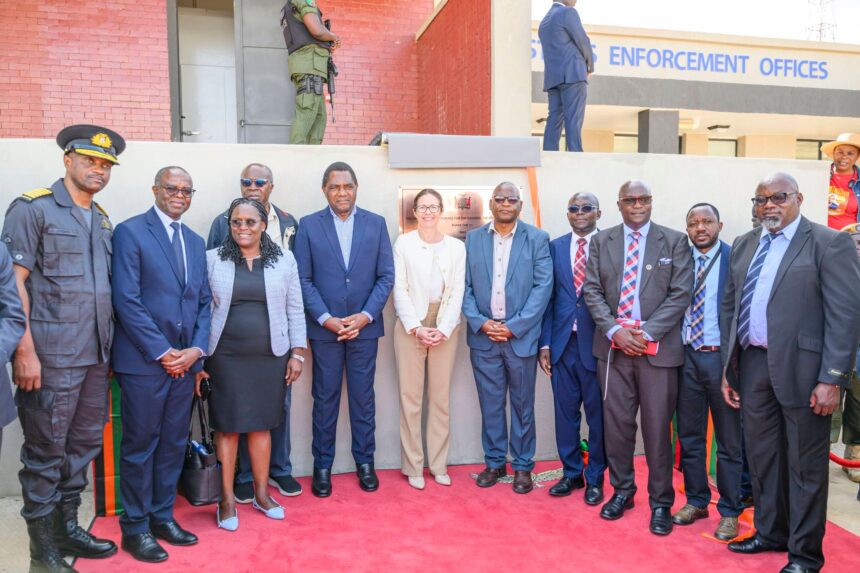
A key milestone in Zambia’s trade strategy is the commissioning of the first phase of the upgraded Nakonde One-Stop Border. This modernized facility is designed to streamline cross-border trade, reduce delays, and improve efficiency for both Zambian and regional businesses. By facilitating smoother movement of goods, the border upgrade is expected to boost industrial productivity and encourage investment in local enterprises. The improvement also supports regional integration, allowing Zambia to strengthen economic ties with neighboring countries while enhancing the flow of products, services, and capital. Such infrastructure projects are essential to creating a trade-friendly environment that benefits the entire Southern African region.
The government’s focus on development extends beyond trade, targeting improvements across all ten provinces. Investments in infrastructure, education, and social programmes demonstrate a holistic approach to national growth. By prioritizing equitable development, Zambia ensures that economic benefits are widely distributed, reducing regional disparities and fostering social cohesion. The commitment to supporting both urban and rural areas signals a long-term vision that links economic progress with social welfare. This strategy not only drives immediate growth but also builds the capacity for sustainable development that can withstand future challenges.
In conclusion, Zambia’s proactive approach to trade and development reflects a clear strategy to strengthen its economy while improving the quality of life for its citizens. Upgrades such as the Nakonde One-Stop Border exemplify the practical steps being taken to enhance trade efficiency, industrial growth, and job creation. By integrating economic initiatives with social programmes, the government is ensuring that growth translates into tangible benefits for all Zambians. The focus on regional collaboration, inclusive development, and infrastructure improvement demonstrates a purposeful path toward a resilient and prosperous nation. Zambia’s commitment to progress signals a future where economic expansion and social development go hand in hand, securing lasting benefits for generations to come.