






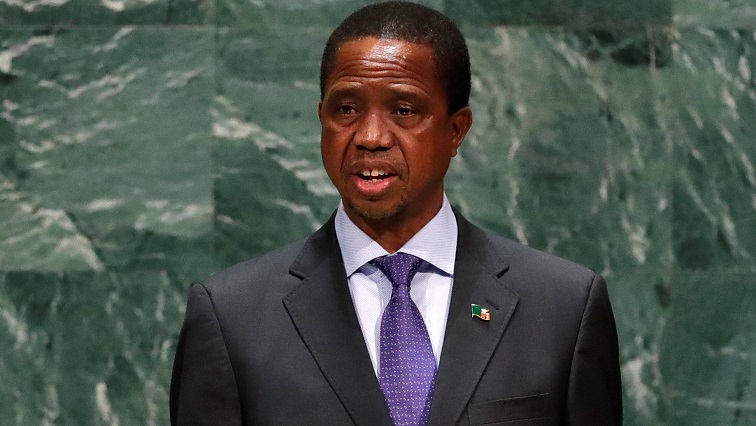
The dispute surrounding the remains of former Zambian President Edgar Lungu has entered a hardened and complex phase, drawing in government officials, legal experts, religious leaders, and political figures. What began as a procedural issue has developed into a broader national concern that now touches on legal authority, institutional responsibility, and public trust. The matter has gained attention both within Zambia and in South Africa, where key aspects of the situation are unfolding. At its core, the dispute reflects the challenges of managing sensitive matters involving a former head of state. The lack of consensus among key stakeholders has further intensified public interest and scrutiny.
Central to the conflict is the handling of Lungu’s body in South Africa, including a postmortem process that has raised serious questions. Concerns have been expressed around consent, custody, and the jurisdiction under which decisions were made. These issues have shifted the focus from a simple administrative matter to a layered legal and ethical debate. The involvement of a foreign jurisdiction has added another level of complexity, as legal frameworks differ across countries. This situation has made it more difficult to establish a clear and unified approach to resolving the matter.
The Zambian government has maintained that it never had custody of the remains, framing the issue as one governed entirely by legal processes within South Africa. This position attempts to define a clear boundary between state authority and the physical handling of the body. By placing responsibility within the domain of court proceedings and foreign legal systems, the government seeks to limit its direct involvement. However, this explanation has not fully addressed public concerns or satisfied critics. Many continue to question how such a sensitive matter could proceed without broader state awareness or coordination.
Opposing voices argue that the status of a former head of state carries inherent institutional significance that goes beyond standard legal procedures. They contend that matters involving national leadership should involve clear state oversight, regardless of jurisdiction. This perspective focuses less on legal technicalities and more on expectations of protocol and accountability. For many, the issue raises deeper questions about how national symbols and figures are treated after death. The absence of a unified approach has contributed to a growing sense of uncertainty among the public.
Within the legal process, additional tensions have emerged around issues of disclosure and transparency. Questions have been raised about whether all relevant information was presented before the court at the appropriate time. This has created a parallel dispute that now runs alongside the original concerns about custody and jurisdiction. The focus on legal conduct has expanded the scope of the matter, bringing judicial processes under closer examination. These developments have increased pressure on institutions to demonstrate accountability and clarity.
Religious leaders have introduced a moral and cultural dimension to the debate, emphasizing dignity and respect in the handling of the deceased. In Zambia, burial practices carry deep social and spiritual significance, which makes the issue particularly sensitive. Calls for resolution are now framed not only in legal terms but also in ethical language that resonates with many citizens. This perspective has added weight to the argument for a respectful and transparent process. It also highlights the need to balance legal requirements with cultural expectations.
The convergence of legal, political, and moral perspectives has created a fragmented national narrative. Each group offers its own interpretation, which shapes public perception in different ways. The absence of a single, coherent explanation has prolonged the dispute and sustained public attention. As different voices continue to present conflicting positions, the path toward resolution becomes more complex. This fragmentation has made it difficult for citizens to fully understand the situation.
The institutional implications of the dispute are significant, given Lungu’s role as a former head of state. The matter now sits at the intersection of constitutional practice, diplomatic relations, and national identity. How the situation is handled will influence perceptions of governance and institutional effectiveness. It also raises questions about coordination between domestic authorities and international legal systems. These factors contribute to the broader importance of the case beyond its immediate circumstances.
Communication has emerged as a key challenge throughout the dispute. Variations in official statements have led to confusion, with each update prompting new questions rather than providing clarity. In high profile matters such as this, clear and consistent communication is essential to maintaining public trust. The current gaps in messaging have made it harder to build confidence in the process. Addressing this issue will be critical in moving toward a resolution.
Court proceedings remain ongoing, and positions across stakeholders show little sign of shifting. The dispute has evolved into a test of how institutions manage complex and sensitive issues that carry both legal and emotional weight. Its outcome will likely shape future approaches to similar situations involving national figures. For now, the focus remains on finding a resolution that balances legal requirements, institutional responsibility, and cultural expectations.