







Deforestation and charcoal burning have caused serious environmental damage in Zambia, with thousands of hectares of forest lost over time. In Kazungula district, the impact has become visible in daily life as communities experience changes in water availability, reduced soil quality, and declining agricultural yields. Many households that depend on natural resources for farming, fishing, and small-scale trade have felt the pressure of shrinking forest cover. The loss of trees has also affected rainfall patterns and increased land degradation, making it harder for families to sustain their livelihoods. These challenges have pushed local and international partners to focus on practical solutions that restore forests while strengthening community resilience.
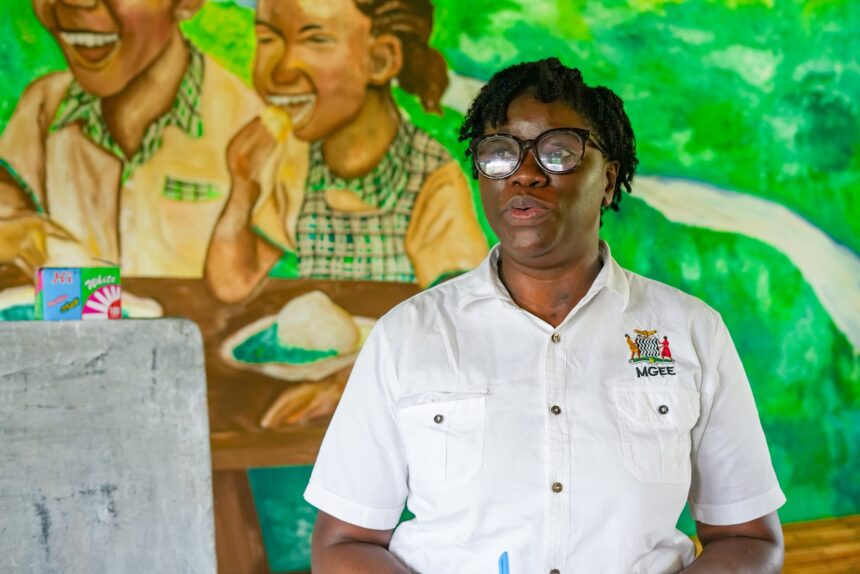
In response to these environmental pressures, a capacity building training programme is currently underway for the Katombora Community Forest Management Group. The initiative brings together communities from Mandia, Nakawa, Namukaba, and Koma, with a shared goal of improving how local forests are managed and protected. The training focuses on building practical skills that communities can use to take full responsibility for their natural resources. Participants are being trained in forest management, governance structures, financial literacy, entrepreneurship, forest asset management, and seed conservation. These areas of learning are designed to ensure that communities do not only protect forests but also benefit economically from sustainable use.
The core idea behind the programme is that communities who manage their own natural resources are more likely to protect them. By strengthening local governance systems, the initiative aims to reduce illegal logging and uncontrolled charcoal production, which have been major drivers of deforestation in the region. Financial literacy training helps community members manage income from forest-based activities in a transparent and sustainable way. Entrepreneurship training encourages the development of alternative livelihoods that reduce pressure on forests, such as beekeeping, eco-tourism, and sustainable agriculture. Seed conservation also plays a key role in ensuring that degraded areas can be replanted with indigenous species that restore ecological balance.
This work is being implemented by UNDP Zambia in partnership with the Forestry Department under the Ministry of Green Economy and Environment in Zambia. The programme is funded by the Republic of Korea, reflecting international cooperation in addressing environmental degradation and climate resilience. Through this partnership, technical expertise and financial support are combined to strengthen local capacity and long-term sustainability. The initiative also supports national efforts to transition toward a greener economy by promoting responsible natural resource management. Local leaders and stakeholders have emphasized that community involvement is essential for lasting environmental recovery.
The impact of this initiative extends beyond forest protection, as it directly influences food security, water access, and household income in Kazungula district. Restoring forest cover helps improve soil fertility, stabilize water sources, and reduce the effects of climate change on farming communities. As communities gain new skills and knowledge, they become more empowered to create sustainable livelihoods that do not depend on destructive practices. The long-term vision is to build self-reliant communities that can protect their environment while improving their quality of life. With continued support and active participation, Kazungula’s forests have a stronger chance of recovery, bringing hope for both ecological restoration and economic stability.