





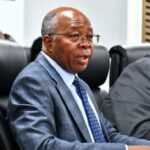


The University of Zambia (UNZA) has announced an early academic recess, marking a significant adjustment to the 2026 academic calendar. The decision was confirmed by Vice-Chancellor Professor Boniface Namangala, who stated that the institution will go on recess effective Friday, 17 April 2026, until 22 May 2026. This move comes after growing concerns over a persistent water crisis affecting campus operations and student living conditions. The announcement has drawn attention from both students and staff as the university responds to urgent infrastructure challenges. It also reflects ongoing efforts to ensure safety and proper learning conditions within the institution.
According to Professor Namangala, students who are scheduled to sit for mid-year examinations will not proceed with full recess but will instead observe a short study break. This study break will run from 20 April to 24 April 2026, allowing students to prepare adequately for their assessments despite the disrupted academic environment. The arrangement aims to balance academic continuity with the need to address pressing welfare issues on campus. The university has emphasized that examinations remain a priority and will be managed within the revised schedule. This approach is intended to minimize academic disruption while responding to the current crisis.
The decision follows sustained pressure from the University of Zambia Students Union (UNZASU), which had earlier called for an early recess. Student leadership cited a worsening water shortage that has severely affected sanitation facilities across campus. In a letter submitted to UNZA management, UNZASU Information and Publicity Secretary Kaluba Kaluba highlighted that the water crisis had rendered many sanitation systems non-functional. This situation, according to student leaders, created unsafe and uncomfortable living conditions for residents. The union argued that immediate intervention was necessary to protect student health and dignity.
UNZASU leadership further explained that the issue had persisted for an extended period, affecting both academic and residential facilities. The lack of reliable water supply has disrupted daily routines, including hygiene practices and hostel maintenance. Student representatives stressed that the situation had reached a critical level, requiring urgent administrative action. Their engagement with university management included consultations involving the Executive, Disciplinary Commission, Presidents’ Commission, and Hostel Representatives Commission. These coordinated discussions played a key role in elevating the matter to senior university authorities.
In response, the university administration acknowledged the concerns raised and moved to implement the recess as a corrective measure. The decision reflects an effort to provide time for necessary repairs and improvements to the water and sanitation systems. It also allows students to temporarily leave an environment that has become increasingly difficult due to infrastructure challenges. The university is expected to use the recess period to address the underlying causes of the crisis. This includes restoring water supply and ensuring that sanitation facilities are fully operational before students return.
The announcement has sparked mixed reactions among students, with many welcoming the decision while others express concern about academic delays. Some students view the recess as a necessary relief given the difficult conditions, while others worry about the impact on their study schedules and examination preparation. Despite these concerns, there is broad agreement that the water crisis needed urgent attention. The university has assured students that academic programs will resume as planned after the recess period. It has also emphasized its commitment to maintaining academic standards despite the disruption.
UNZA’s decision to declare an early recess for 2026 highlights the serious impact of infrastructure challenges on higher education delivery. The water crisis that prompted the move has raised important concerns about student welfare and campus safety. While the recess provides temporary relief and time for repairs, it also underscores the need for long-term solutions to prevent similar disruptions in the future. The university’s response reflects an attempt to balance academic continuity with urgent health and sanitation needs. As UNZA prepares for the return of students in May 2026, attention will remain focused on whether lasting improvements are achieved.