







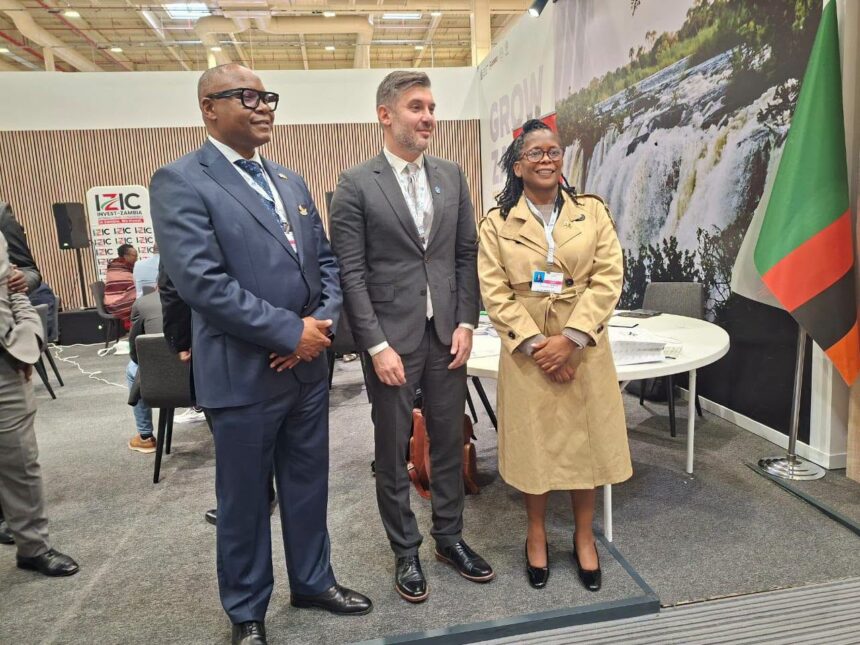
Zambia has reaffirmed its commitment to sustainable tourism development and climate resilience through the presentation of its Green, Resilient and Transformational Tourism Development Project (GREAT-TDP) at the 31st Conference of the Parties (COP31) to the United Nations Framework Convention on Climate Change (UNFCCC). The presentation, delivered by the Permanent Secretary in the Ministry of Tourism, highlighted the country’s ambition to position tourism as a major driver of green economic growth, environmental protection and community development. Zambia is seeking to demonstrate how responsible tourism investment can support climate adaptation while creating employment opportunities and protecting the natural resources that attract visitors. Through the GREAT-TDP, the government is connecting its tourism development priorities with broader national and international climate action objectives. The initiative also reflects the country’s determination to build a competitive tourism industry that can withstand environmental challenges while delivering long-term benefits to local communities.
During the presentation at COP31, the Permanent Secretary highlighted Zambia’s considerable tourism potential and its rich natural and cultural heritage. The country has 20 national parks and 36 game management areas, with more than 23 million hectares dedicated to wildlife conservation. These protected landscapes provide important habitats for wildlife and create opportunities for nature-based tourism, conservation investment and sustainable economic activities. Zambia also has a diverse cultural heritage represented by 73 ethnic groups and 98 traditional ceremonies. This combination of wildlife, natural attractions and cultural experiences gives the country a strong foundation for developing a competitive tourism industry. By investing in sustainable tourism infrastructure and destination management, Zambia aims to attract more international visitors while ensuring that its natural and cultural assets remain protected for future generations.
The Green, Resilient and Transformational Tourism Development Project is a flagship government initiative supported by the World Bank’s International Development Association (IDA). Its primary objective is to expand economic opportunities in tourism destinations by improving the conditions needed for sustainable investment and development. The project focuses on strengthening the tourism sector’s enabling environment while improving access to reliable and climate-resilient infrastructure. It recognises that tourism growth depends on more than attractive destinations, as visitors also need safe transport connections, suitable accommodation, reliable services and quality visitor facilities. Through coordinated investment, the project seeks to address infrastructure challenges that can limit tourism development in different parts of Zambia. It also aims to create a stronger foundation for private sector participation and long-term economic growth.
A major component of the GREAT-TDP involves developing sustainable tourism infrastructure and improving accessibility to important destinations. The project prioritises climate-resilient visitor facilities, destination infrastructure and improved transport connections that can support tourism activities throughout the country. Solar-powered street lighting is another important investment area because it provides a more sustainable approach to public lighting while supporting safety and accessibility in tourism corridors. These investments are intended to improve the overall visitor experience while reducing the environmental impact associated with conventional infrastructure development. The project also promotes tourism product diversification and the development of tourism circuits that connect different attractions. This approach can encourage visitors to explore more destinations, spend more time in local communities and contribute to a wider range of tourism businesses.
Climate resilience remains central to the project’s approach to infrastructure development. Tourism destinations depend heavily on natural resources, including forests, rivers, wildlife habitats and other ecosystems that can be affected by changing climate conditions. Extreme weather events and environmental degradation can damage infrastructure, disrupt tourism activities and affect the livelihoods of communities that depend on visitors. The GREAT-TDP seeks to address these risks by incorporating climate considerations into destination planning and investment decisions. Climate-resilient visitor facilities and improved infrastructure can help destinations remain functional under changing environmental conditions. By prioritising climate-smart development, Zambia aims to protect tourism investments while strengthening the sector’s ability to adapt to future challenges.
The project also places considerable emphasis on people-centred tourism development. The government recognises that sustainable tourism must create meaningful economic opportunities for the communities living around major attractions and protected areas. Through the GREAT-TDP, local people are encouraged to participate in tourism value chains and benefit from the economic activities generated by visitors. The initiative supports entrepreneurship, skills development and improved access to employment opportunities, particularly for women and young people. These efforts can help local businesses become more competitive while allowing communities to participate directly in the growth of the tourism industry. By strengthening local capacity, the project seeks to ensure that tourism development delivers benefits beyond hotels, tour operators and established investment businesses.
Community participation is also important for protecting the natural resources that sustain Zambia’s tourism industry. People living near national parks and other tourism destinations often have direct relationships with surrounding ecosystems and natural resources. Their involvement in conservation activities can strengthen environmental protection while creating opportunities for sustainable livelihoods. The GREAT-TDP promotes community empowerment through skills development, entrepreneurship support and greater participation in tourism-related economic activities. Its emphasis on inclusive development recognises that conservation and economic growth should support each other rather than operate as separate priorities. When communities benefit from tourism, they have stronger opportunities to participate in protecting the natural and cultural heritage that makes their destinations attractive.
Biodiversity conservation and sustainable natural resource management are among the project’s most important priorities. Zambia’s tourism industry depends heavily on its wildlife populations, protected areas and natural landscapes. Protecting these resources is therefore essential for maintaining the country’s attractiveness as a destination for international and domestic tourists. The GREAT-TDP supports climate-smart tourism development and investment practices that consider environmental sustainability from the planning stage. It also emphasises the protection of cultural and natural heritage while encouraging responsible use of natural resources. These measures are intended to strengthen the relationship between tourism development, biodiversity conservation and climate action.
At COP31, Zambia presented the GREAT-TDP as a practical link between its national climate commitments and investments in the tourism sector. The project brings together three central pillars: climate adaptation, nature conservation and social inclusion. Climate adaptation involves incorporating climate risk assessments into destination planning and infrastructure development to reduce exposure to environmental threats. Nature conservation focuses on protecting ecosystems that support wildlife, tourism activities and community livelihoods. Social inclusion seeks to expand economic opportunities for local people through climate-conscious businesses and participation in tourism value chains. By combining these priorities, Zambia aims to ensure that tourism investments contribute to environmental protection and inclusive development rather than focusing only on increasing visitor numbers.
The Permanent Secretary also explained that the project aligns with Zambia’s National Adaptation Plan (NAP) and its third Nationally Determined Contribution, known as NDC 3.0. These national climate frameworks provide direction for strengthening resilience and responding to the effects of climate change. The GREAT-TDP supports these objectives by encouraging climate-risk-informed planning and improving the resilience of tourism infrastructure. It also promotes ecosystem conservation and investment decisions that consider long-term environmental risks. This alignment is important because it connects tourism development with the country’s wider climate priorities. It also demonstrates how sector-specific investments can contribute to national adaptation and mitigation efforts.
Responsible implementation is another important element of the GREAT-TDP. The Ministry of Tourism highlighted the need for strong environmental and social safeguards to ensure that development activities do not create unnecessary harm to communities or ecosystems. These safeguards include environmental screening and assessments before relevant activities proceed. They also involve stakeholder engagement, livelihood protection, occupational health and safety measures, grievance management systems and continuous monitoring of project impacts. Such measures help identify potential risks early and provide processes for addressing concerns raised by affected communities. Effective safeguards are particularly important for tourism projects located near protected areas, sensitive ecosystems and communities that depend on natural resources for their livelihoods.
Zambia also highlighted several tourism destinations that demonstrate the potential benefits of climate-resilient investment. These include Livingstone, Nsumbu, Liuwa National Park and the Source of the Zambezi. Each destination offers opportunities to develop tourism while addressing environmental vulnerabilities and supporting local economic activities. Livingstone is an important tourism centre with major attractions and established visitor infrastructure. Nsumbu and Liuwa National Park provide opportunities for wildlife and nature-based tourism, while the Source of the Zambezi represents an important natural and geographical attraction. The project aims to support responsible development in such destinations by improving infrastructure, strengthening conservation and creating opportunities for surrounding communities.
Livingstone has already recorded progress through the installation of solar-powered street lighting along tourism corridors. This investment demonstrates how renewable energy solutions can contribute to sustainable destination development while improving public infrastructure. Solar-powered lighting can reduce dependence on conventional electricity supplies and support more energy-efficient tourism areas. It can also improve visibility and accessibility along important routes used by visitors and local residents. The development reflects the project’s broader commitment to integrating practical climate-conscious solutions into tourism infrastructure. It also provides an example of how sustainable investment can deliver environmental and community benefits at the same time.
The GREAT-TDP has also supported important preparatory work aimed at improving air access to tourism destinations. Feasibility studies and designs have been undertaken for Jeki, Chunga and Kalabo airstrips. Improved air connectivity can play an important role in opening up destinations that are difficult to reach through existing transport networks. This is particularly relevant for remote tourism areas where travel distances and infrastructure limitations can discourage visitors and investors. Better access can support tourism businesses, create opportunities for local service providers and encourage the development of new tourism products. However, such infrastructure must be planned carefully to ensure that improved accessibility does not compromise environmental protection or the interests of surrounding communities.
Another area of progress involves strengthening tourism planning and investment readiness. Effective destination planning helps identify infrastructure requirements, investment opportunities and environmental risks before major development decisions are made. The project also seeks to strengthen partnerships between government institutions, local communities and private sector stakeholders. These partnerships are important because sustainable tourism requires cooperation across different parts of the economy. Government institutions provide policy direction and coordination, while private investors contribute capital, business expertise and operational capacity. Local communities bring knowledge of their surroundings and play an important role in ensuring that tourism activities reflect local priorities and deliver shared benefits.
The introduction of matching grants has also expanded opportunities for sustainable tourism development under the project. Such support can help eligible tourism businesses and entrepreneurs access resources for investment and business improvement. It can encourage innovation, strengthen local enterprises and support the development of tourism products that appeal to different visitor markets. Smaller businesses often face challenges accessing the finance needed to improve their services or expand their operations. By creating additional opportunities for investment, the GREAT-TDP aims to encourage broader participation in the tourism economy. This can contribute to a more diverse and competitive tourism sector while strengthening the role of local businesses in destination development.
The project is also expected to contribute to the Ministry of Tourism’s Vision 2031 and Zambia’s ambition of attracting five million tourists annually by 2031. Achieving this target will require sustained investment in infrastructure, destination marketing, accessibility, tourism services and environmental conservation. It will also depend on the country’s ability to provide visitors with safe, reliable and memorable experiences across different destinations. Climate resilience will remain essential because tourism infrastructure and natural attractions must be protected against environmental pressures. The GREAT-TDP provides a framework for addressing these priorities through coordinated investment and stronger destination management. Its success could help Zambia strengthen its position as a competitive destination for nature-based, cultural and sustainable tourism.
Tourism remains an important sector for Zambia because of its potential to generate employment, attract foreign exchange and support economic diversification. The industry also provides opportunities for small businesses, including accommodation providers, transport operators, tour guides, craft producers and community-based tourism enterprises. Beyond its economic contribution, tourism can support the preservation of traditional ceremonies, cultural practices and historical heritage. Its dependence on healthy ecosystems also makes conservation an essential part of long-term sector development. By linking tourism investment with climate action and community participation, Zambia is seeking to maximise these benefits while reducing environmental risks. The GREAT-TDP therefore represents an important opportunity to strengthen the connection between economic development and environmental sustainability.
The Government of Zambia has reaffirmed its commitment to working with development partners, investors, communities, local authorities and private sector stakeholders to accelerate the transformation of the tourism industry. This cooperation will be important for mobilising investment, improving infrastructure and ensuring that development priorities reflect the needs of different destinations. It will also help strengthen the country’s ability to respond to climate risks while protecting its natural and cultural resources. The presentation of the GREAT-TDP at COP31 has provided an opportunity to demonstrate how Zambia intends to translate climate commitments into practical investments that support sustainable development. By bringing together adaptation, biodiversity conservation and social inclusion, the initiative offers a clear direction for the future of the country’s tourism sector.
Zambia’s presentation of the Green, Resilient and Transformational Tourism Development Project at COP31 highlights the growing importance of climate-resilient tourism in national development planning. With 20 national parks, 36 game management areas, extensive wildlife conservation landscapes and a diverse cultural heritage, the country has significant potential to expand its tourism industry responsibly. The GREAT-TDP seeks to unlock that potential through sustainable infrastructure, renewable energy solutions, improved destination accessibility, biodiversity protection and stronger community participation. Its alignment with the National Adaptation Plan, NDC 3.0 and Vision 2031 further connects tourism investment with Zambia’s wider development and climate objectives. Reaching the ambition of five million tourists annually by 2031 will require continued commitment, effective partnerships and responsible investment. Ultimately, Zambia’s approach demonstrates that tourism growth and climate resilience can advance together when environmental protection, economic opportunity and community development remain central to the country’s tourism strategy.