





Zambia is strengthening its commitment to community-based tourism as part of efforts to promote rural development, create employment opportunities and ensure that local communities benefit directly from the country’s natural and cultural attractions. The Ministry of Tourism has reaffirmed this commitment during a benchmarking engagement with a Malaysian delegation interested in learning from Zambia’s approach to sustainable tourism and community empowerment. The discussions focused on opportunities for knowledge exchange, rural tourism development, wildlife conservation and inclusive economic growth. Both countries expressed interest in sharing practical experiences that can help rural communities participate more actively in tourism activities. The engagement also highlighted the growing importance of tourism models that balance economic development with environmental protection and improved livelihoods for people living near major attractions.
Speaking during the meeting, Ministry of Tourism representative Francis Chiwele, who represented Permanent Secretary Evans Muhanga, explained that the Zambian Government was implementing deliberate measures to ensure communities benefit from tourism development. He noted that tourism should extend beyond attracting international visitors and generating revenue for established businesses. Communities living alongside national parks, wildlife areas and other tourism attractions should also have opportunities to participate in the industry and earn income from local resources. According to Chiwele, the government wants local people to become active partners in tourism development rather than simply living near destinations that attract visitors. This approach is intended to strengthen local ownership, encourage entrepreneurship and ensure that tourism contributes to broader rural economic development.
Zambia has adopted several community participation models to improve local involvement in tourism and natural resource management. These include Community-Based Natural Resource Management, conservation partnerships, revenue-sharing arrangements and tourism enterprise development. Each approach provides opportunities for communities to participate in activities that support conservation while generating economic benefits. Community-Based Natural Resource Management, in particular, encourages local people to take part in decisions concerning the sustainable use and protection of natural resources. Revenue-sharing arrangements can also help ensure that tourism-related income contributes to community development priorities. Through these initiatives, the government aims to create a tourism sector in which conservation and local economic empowerment reinforce each other.
Chiwele emphasised that community participation was central to the government’s tourism development strategy. He explained that the Ministry was working with conservation organisations, private tourism operators and local authorities to create employment opportunities and support community enterprises. These partnerships can help local residents access business opportunities linked to accommodation, food services, cultural experiences, transport and other tourism activities. They also provide a framework for strengthening sustainable wildlife management and protecting the natural attractions that support the industry. By involving different stakeholders, Zambia hopes to build tourism destinations that deliver benefits to investors, visitors and surrounding communities. This collaborative approach is particularly important in rural areas where tourism can provide additional sources of income and support local economic activity.
The Ministry of Tourism is also working to strengthen community participation in destination planning. Chiwele highlighted the importance of stakeholder consultations and destination development programmes in ensuring that local voices are considered when tourism projects are designed and implemented. Communities often have valuable knowledge about local attractions, cultural traditions and environmental challenges. Their involvement can help ensure that tourism development reflects local priorities while reducing the risk of conflicts over land use and natural resources. The government is also promoting local entrepreneurship, with particular attention to opportunities for women and young people. These efforts aim to expand access to tourism-related employment and encourage more people to establish businesses that contribute to the local economy.
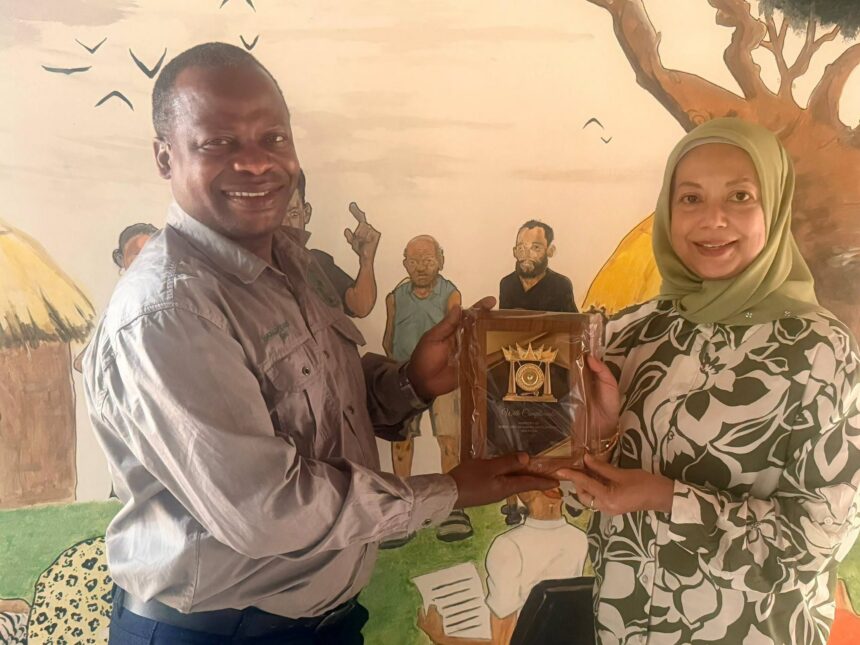
The benchmarking engagement provided an opportunity for Zambia and Malaysia to explore areas of mutual interest in sustainable tourism and rural economic empowerment. Chiwele welcomed Malaysia’s interest in understanding Zambia’s community-based tourism model and described the discussions as an important opportunity for sharing practical experiences. Both countries recognise that rural tourism can create opportunities for communities while supporting the preservation of cultural and natural heritage. However, successful community-based tourism requires effective planning, investment, skills development and cooperation between government institutions and private businesses. By exchanging knowledge, Zambia and Malaysia can identify approaches that may strengthen their respective tourism development programmes. The engagement also creates an opportunity to build stronger international cooperation around inclusive and environmentally responsible tourism.
Malaysia’s delegation was led by the Secretary General in the Ministry of Rural and Regional Development, Her Excellency Ms. Dato Ahmad. She explained that Malaysia was interested in learning from Zambia’s experience in combining wildlife conservation, tourism development and community participation. Her remarks highlighted the importance of understanding how local communities can benefit from tourism while maintaining the natural and cultural characteristics of rural destinations. Malaysia is also pursuing initiatives designed to encourage rural entrepreneurship and improve economic opportunities outside major urban centres. The delegation’s interest in Zambia reflects the potential value of international cooperation in developing tourism models that respond to the needs of rural populations. The discussions focused on practical experiences that could support community participation and improve the long-term sustainability of rural tourism.
A key part of Malaysia’s rural tourism strategy is the Desa Kirana initiative, introduced in 2025. The programme promotes authentic village experiences by encouraging visitors to stay with local families and participate in traditional activities, cultural experiences and local food production. This approach gives tourists an opportunity to experience everyday village life while creating income opportunities for participating households. It can also help preserve traditional knowledge, cultural practices and local food traditions by making them part of the visitor experience. Desa Kirana reflects Malaysia’s interest in making rural communities active participants in tourism rather than treating villages simply as places for visitors to pass through. The initiative also demonstrates how tourism can support small-scale entrepreneurship and create additional livelihood opportunities in rural areas.
Ms. Dato Ahmad explained that Malaysia’s approach places strong emphasis on empowering rural communities through skills development, entrepreneurship and improved local facilities. She noted that tourism should create opportunities for residents to participate in the industry and develop businesses that can generate sustainable income. Local families and entrepreneurs can benefit from visitor spending through accommodation, traditional food, cultural activities and locally produced goods. Improved facilities and skills training can also help rural destinations deliver better visitor experiences while strengthening the ability of communities to manage tourism activities. The Malaysian delegation expressed particular interest in Zambia’s experience with community participation in destination planning, conservation programmes and tourism enterprises. These areas were identified as potential subjects for continued technical cooperation between the two countries.
Women’s empowerment and youth participation also emerged as important areas for future knowledge exchange. Both countries recognise that rural tourism can provide opportunities for groups that may face barriers to accessing formal employment and business development. Women can participate through accommodation services, food production, cultural activities, craft businesses and other tourism-related enterprises. Young people can contribute through tour guiding, digital marketing, hospitality services, transport and entrepreneurship. However, these opportunities often require access to training, finance, infrastructure and business support. Sharing experiences in these areas could help Zambia and Malaysia identify practical ways to expand participation and strengthen the contribution of women and young people to rural tourism development.
The discussions also highlighted the importance of partnerships between government institutions, local authorities, conservation organisations and private tourism operators. Government agencies can provide policies and programmes that create an enabling environment for community-based tourism. Local authorities can support destination planning and coordinate development activities within their areas. Private tourism businesses can provide investment, technical expertise and access to visitor markets, while conservation organisations can contribute experience in environmental protection and sustainable resource management. Communities remain central to this process because they provide local knowledge and participate directly in tourism activities. Effective cooperation among these stakeholders can help ensure that tourism development produces lasting economic and environmental benefits.
As part of the benchmarking visit, the Malaysian delegation toured Lusaka National Park to gain firsthand experience of Zambia’s tourism offerings. The guided visit provided an opportunity to observe wildlife conservation, park management and community engagement initiatives. Lusaka National Park is an important example of Zambia’s efforts to develop tourism opportunities within a protected natural environment close to the country’s capital. The visit allowed the delegation to gain a better understanding of how wildlife conservation and visitor experiences can form part of the country’s tourism development strategy. It also provided a practical setting for discussions about the relationship between protected areas, destination management and community participation. Such visits are valuable because they allow international delegations to examine tourism programmes beyond formal presentations and policy discussions.
Community-based tourism is increasingly important to Zambia’s ambition of building a more inclusive and sustainable tourism industry. The country has significant natural and cultural attractions, but the long-term success of tourism also depends on how effectively surrounding communities participate in and benefit from development. When local residents have access to employment, business opportunities and decision-making processes, tourism can contribute more directly to rural livelihoods. Community participation can also strengthen support for wildlife conservation and responsible natural resource management. This is particularly important in areas where households depend on land, forests, wildlife and other natural resources for their daily livelihoods. By linking conservation with economic opportunities, Zambia aims to create stronger incentives for communities to protect the attractions that sustain tourism.
The exchange with Malaysia also highlights the value of international partnerships in addressing common rural development challenges. Although the two countries have different tourism environments and development priorities, both are interested in using tourism to create economic opportunities while preserving cultural and natural heritage. Zambia’s experience with community-based natural resource management and conservation partnerships offers useful lessons for discussions on rural tourism development. Malaysia’s Desa Kirana initiative provides another perspective on how village experiences, traditional activities and local food production can become part of a sustainable tourism offering. Continued technical engagement could help both countries assess which practices can be adapted to their respective local conditions. The exchange also creates opportunities to strengthen institutional relationships and encourage future cooperation in tourism planning and community development.
For Zambia, the success of community-based tourism will depend on maintaining a balance between attracting visitors, protecting natural resources and improving the economic well-being of local people. Investment in infrastructure and tourism facilities must be accompanied by skills development, effective community engagement and opportunities for local businesses. Destination planning should also recognise the importance of cultural heritage and the need to protect traditional practices from inappropriate commercialisation. Strong partnerships can help communities access markets and develop tourism products that meet visitor expectations. At the same time, transparent revenue-sharing arrangements and meaningful participation in decision-making can strengthen local confidence in tourism projects. These measures can help ensure that tourism becomes a reliable contributor to rural development rather than an industry whose benefits remain concentrated among a limited number of stakeholders.
The Ministry of Tourism views the engagement with Malaysia as an important step towards strengthening international cooperation and advancing inclusive tourism development. The discussions have created opportunities for both countries to share experiences in community participation, rural entrepreneurship, conservation and tourism planning. Zambia’s commitment to ensuring that communities benefit directly from tourism reflects a broader ambition to make the sector more inclusive and sustainable. Malaysia’s interest in learning from Zambia, together with its own Desa Kirana initiative, provides a foundation for continued knowledge exchange. As both countries explore further technical cooperation, community-based tourism could become an increasingly important tool for creating employment, supporting rural businesses and protecting natural and cultural heritage. Ultimately, the success of sustainable tourism should be measured not only by the number of visitors attracted but also by the lasting benefits it delivers to the communities that make each destination unique.