

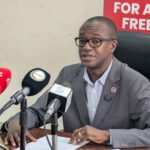




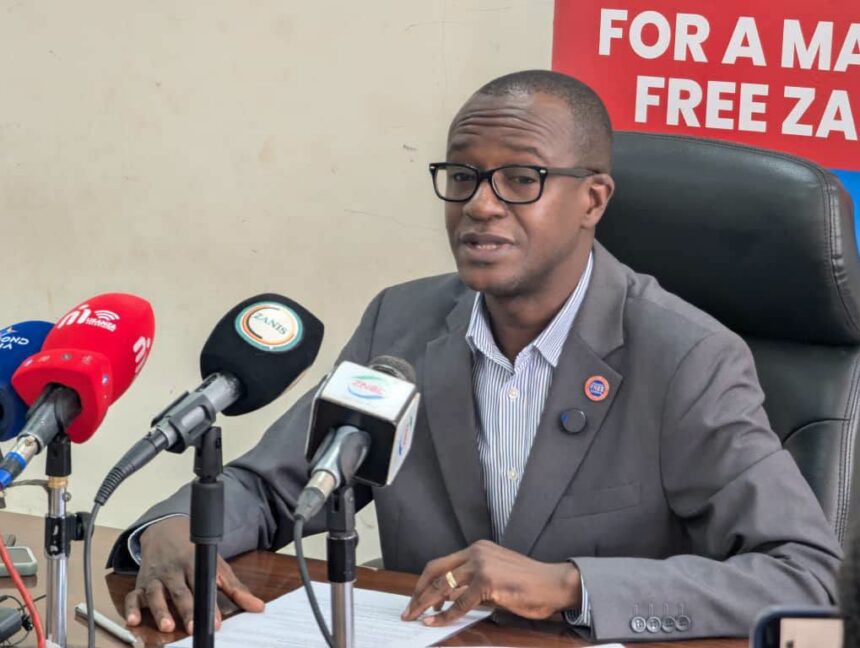
The End Malaria Council (EMC) Zambia has called on the media, private sector and members of the public to strengthen their support for the country’s efforts to eliminate malaria. The Council says achieving a malaria-free Zambia requires collective action, sustained commitment and active participation from all sectors of society. The appeal comes as Zambia joins other Southern African Development Community (SADC) member states in commemorating SADC Malaria Week. Speaking during a media briefing in Lusaka, EMC Communication and Advocacy Chairperson Malcolm Chabala emphasised that malaria elimination should be treated as a shared national responsibility rather than a task left to government and health institutions alone. He urged stakeholders to work together to strengthen prevention, increase public awareness and mobilise resources towards ending malaria in Zambia.
Mr Chabala highlighted the importance of the malaria elimination initiative, noting that coordinated efforts are essential to achieving meaningful progress. He explained that no single institution, sector or community can successfully eliminate malaria without the involvement of other stakeholders. Government institutions have an important role in developing policies, providing healthcare services and supporting national prevention programmes. However, the private sector, civil society organisations, traditional leaders, faith-based organisations and ordinary citizens must also contribute to the campaign. The Council believes that bringing these groups together will strengthen the country’s ability to address malaria and protect communities from the disease.
The EMC chairperson described malaria elimination as a national responsibility that demands consistent participation from all Zambians. He called for stronger cooperation between government, businesses, development partners, community organisations and individual citizens. Young people were also identified as important participants in promoting awareness and encouraging positive health practices within their communities. Traditional and religious leaders can use their influence to communicate prevention messages and encourage households to adopt protective measures. Such cooperation can help ensure that malaria prevention becomes part of everyday community activities rather than an issue addressed only during special campaigns.
Malaria remains a major public health and development challenge in Zambia, affecting individuals, families and the wider economy. The disease can prevent children from attending school and affect their ability to concentrate and perform academically. Adults who become ill may miss work, resulting in lost income and reduced household productivity. Businesses can also experience disruptions when employees become sick or when families face increased healthcare expenses. These effects demonstrate that malaria is not simply a health concern but also a development issue that can affect economic growth and the wellbeing of communities.
Mr Chabala stressed that investing in malaria elimination is an investment in a healthier, more productive and prosperous Zambia. Resources directed towards prevention, early diagnosis, treatment and public education can help reduce the burden of the disease on households and healthcare facilities. Stronger malaria prevention programmes can also support economic productivity by reducing illness-related absences from schools and workplaces. The Council therefore wants businesses and other stakeholders to recognise the long-term benefits of supporting malaria control initiatives. Increased private sector participation can help complement government efforts and strengthen the resources available for prevention activities.
One of the Council’s flagship advocacy and resource mobilisation activities is a golf tournament scheduled to take place in Mazabuka. The event brings together corporate leaders, government representatives, development partners, golfers and other stakeholders who share an interest in supporting malaria elimination. Beyond the sporting activity, the tournament provides a platform for raising awareness and encouraging financial and institutional support for the campaign. It also creates opportunities for businesses and organisations to engage with the national malaria elimination agenda. Through this initiative, the Council hopes to strengthen partnerships and attract greater participation from different sectors.
The golf tournament also demonstrates how non-traditional platforms can contribute to public health campaigns. Sporting events create opportunities to bring together people from different professional and social backgrounds around a common objective. Participants can use such gatherings to discuss the impact of malaria and identify practical ways of supporting prevention programmes. Corporate organisations can also demonstrate their commitment to community development by supporting initiatives that address major public health challenges. The EMC’s approach highlights the importance of using partnerships and public engagement to complement conventional health awareness activities.
The Council further wants its advocacy activities to strengthen community ownership of malaria prevention. This means encouraging individuals and households to take responsibility for reducing their exposure to mosquito bites and supporting local prevention programmes. Communities can contribute by using insecticide-treated mosquito nets correctly, keeping their surroundings clean and reducing potential mosquito breeding sites. People who develop symptoms associated with malaria should seek testing and appropriate treatment promptly. Public awareness campaigns can help ensure that households understand these measures and recognise the importance of following recommended prevention practices.
Behavioural change is another important part of Zambia’s malaria elimination efforts. Distributing mosquito nets and providing treatment services are important interventions, but their impact depends partly on how communities use available resources. Some households may need additional information about the correct use and care of mosquito nets. Others may benefit from education about seeking early diagnosis instead of relying on unconfirmed treatments. By working with community leaders, schools, churches and other local institutions, stakeholders can encourage healthier practices and improve public participation in malaria prevention.
The media also has an important responsibility in supporting the malaria elimination agenda. Through radio, television, newspapers, online publications and social media platforms, journalists can help communicate accurate information about malaria prevention and treatment. Media organisations can also highlight community challenges, share public health messages and draw attention to the importance of continued investment in malaria control programmes. Consistent reporting can help keep the issue in the public conversation and encourage individuals and institutions to remain involved. The EMC’s appeal therefore places the media among the key partners needed to strengthen public understanding and participation.
The private sector can make an equally important contribution through financial support, workplace health programmes and partnerships with organisations involved in malaria prevention. Companies can support awareness campaigns, participate in resource mobilisation activities and encourage employees to adopt preventive health practices. Businesses operating in communities affected by malaria can also help promote local initiatives that improve awareness and access to prevention information. Such involvement can benefit both communities and businesses by reducing the social and economic consequences of malaria. The Council’s engagement with corporate leaders through activities such as the Mazabuka golf tournament is intended to encourage this wider commitment.
Zambia’s participation in SADC Malaria Week also provides an opportunity to strengthen regional cooperation in the fight against the disease. Malaria remains a public health concern across parts of Southern Africa, making collaboration between countries important. Sharing experiences, improving public awareness and supporting coordinated prevention strategies can contribute to regional progress. The involvement of different stakeholders at national level also strengthens the broader regional effort to reduce malaria transmission. The EMC’s message reflects the need for sustained cooperation rather than isolated campaigns that lose momentum after commemorative activities.
The End Malaria Council’s call comes at a time when Zambia needs continued commitment from government, businesses, communities and development partners to advance its malaria elimination ambitions. Mr Chabala has made it clear that ending malaria requires more than the work of health professionals and government institutions. It requires citizens to take preventive measures, businesses to support public health initiatives and the media to keep communities informed. The Mazabuka golf tournament provides one platform for bringing these stakeholders together while mobilising support for the national campaign. Ultimately, Zambia’s progress towards malaria elimination will depend on turning collective commitment into consistent action that protects families, improves productivity and builds healthier communities.