


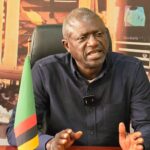




Zambia has recorded a worrying increase in malaria cases and deaths in 2026, with infections rising by approximately 13 percent and malaria-related deaths increasing by 17 percent. Health Minister Professor Roma Chilengi says the latest figures highlight growing challenges in the country’s fight against malaria, particularly in Western and North-Western Provinces. The increase comes despite continued government investment in the health sector and ongoing efforts to strengthen malaria prevention and treatment services. According to the Minister, several factors have contributed to the resurgence, including ageing mosquito nets, changing rainfall patterns and funding pressures. The government has therefore pledged to strengthen malaria control measures and improve the availability of essential medical supplies across the country.
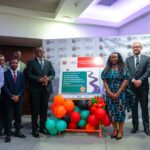
Professor Chilengi made the remarks in Lusaka during the official opening of the 5th Annual Faith Leaders Action for Malaria Elimination (FLAME) Roundtable Meeting. He was represented at the event by the Permanent Secretary for Technical Services, Kennedy Lishimpi, who delivered his address on behalf of the Minister. The meeting brought together faith leaders and other stakeholders involved in efforts to eliminate malaria in Zambia. The gathering provided an opportunity to discuss the country’s malaria situation and explore ways of strengthening community participation in prevention and control programmes. The Minister used the occasion to emphasise the importance of coordinated action among government institutions, religious organisations, healthcare providers and local communities.
One of the major factors behind the increase in malaria cases is the ageing of household mosquito nets. Professor Chilengi explained that older mosquito nets may no longer provide the same level of protection against mosquito bites, particularly when they become worn out or damaged through prolonged use. Insecticide-treated mosquito nets remain one of the most important tools for preventing malaria because they reduce people’s exposure to mosquitoes that transmit the disease. However, their effectiveness depends on proper use, maintenance and timely replacement. The situation highlights the need for continued distribution campaigns and stronger public awareness about replacing old nets with effective alternatives.
The return of normal rainfall following recent droughts has also contributed to the increase in malaria transmission. Rainfall creates favourable breeding conditions for mosquitoes, particularly where water collects in open containers, drainage channels, pools and other stagnant areas. As mosquito populations increase, the risk of malaria transmission can also rise, especially in communities with limited access to preventive measures. The Minister noted that changing weather conditions have played a role in the country’s malaria situation. This makes it important for health authorities and communities to strengthen prevention activities before and during periods of increased rainfall.
Funding pressures have also emerged as another challenge in the fight against malaria. Effective malaria control requires consistent investment in prevention programmes, diagnostic services, medicines, mosquito nets, public education and healthcare personnel. When resources become constrained, the ability of health facilities and public health programmes to respond quickly to emerging needs can be affected. Such pressures may also complicate the procurement and distribution of essential commodities, particularly in areas experiencing high malaria transmission. Professor Chilengi’s remarks underline the importance of ensuring that available resources reach the communities and health facilities that need them most.
The increase in malaria cases comes at a time when the Zambian Government has significantly increased its budgetary allocation to the health sector. According to Professor Chilengi, the allocation has risen from 13 billion kwacha in 2022 to 26 billion kwacha in 2026. This represents a substantial increase in government spending on healthcare over the period. The increased allocation reflects the government’s commitment to strengthening the health sector and improving access to essential medical services. However, the rising malaria figures demonstrate that increased funding must also translate into effective service delivery, reliable medical supplies and stronger disease prevention programmes.
The Minister has assured the public that government will strengthen measures to address shortages of essential medicines and medical commodities at health facilities. He said district and provincial health offices will be expected to respond promptly whenever facilities report stock-outs. Timely responses are important because shortages of malaria diagnostic tests and treatment medicines can delay diagnosis and prevent patients from receiving appropriate care. Health facilities must therefore maintain effective reporting systems that allow shortages to be identified and addressed before they seriously affect service delivery. Strengthening coordination between health facilities and higher administrative offices will be essential in ensuring that patients receive timely treatment.
Government also plans to expand Eastern Province’s community-led commodity monitoring model to other parts of the country. The approach is intended to strengthen community participation in monitoring the availability of essential health commodities and identifying supply challenges. By involving communities in the monitoring process, authorities can improve accountability and receive information about shortages more quickly. Expanding the model nationwide could help district and provincial health offices identify supply gaps and take corrective action before they disrupt healthcare services. The initiative also highlights the important role communities can play in strengthening public health systems.
Another major concern raised by the Minister is the illegal diversion of public medicines. Professor Chilengi said government will take action against individuals involved in diverting medicines and other publicly funded medical supplies away from their intended destinations. Public medicines are procured to support patients who depend on government health facilities, particularly vulnerable households that cannot afford private healthcare. When these supplies are illegally diverted, health facilities may experience shortages and patients may struggle to access essential treatment. Cracking down on the practice will therefore be important in protecting public resources and ensuring that medicines reach the people for whom they are intended.
The involvement of faith leaders is also expected to play an important role in strengthening Zambia’s malaria elimination efforts. Religious organisations have established relationships with communities across the country and can help communicate important health messages through churches, mosques and other faith-based institutions. They can encourage households to sleep under insecticide-treated mosquito nets, seek early testing when symptoms develop and follow prescribed treatment. Faith leaders can also help address misinformation and encourage communities to participate in malaria prevention activities. Their involvement can strengthen the connection between national health programmes and the communities most affected by malaria.
The situation in Western and North-Western Provinces requires particular attention because the latest report identifies these areas among those experiencing a notable malaria burden. Strengthening local prevention programmes, improving access to testing and treatment and ensuring adequate supplies of medical commodities will be important in addressing the challenge. Health authorities must also consider local environmental conditions and seasonal changes when planning malaria interventions. Community awareness campaigns can help households recognise malaria symptoms and seek medical attention without unnecessary delays. A coordinated response will be necessary to prevent further increases in infections and deaths.
Malaria remains a significant public health challenge because the disease can cause serious illness and death when patients do not receive timely diagnosis and appropriate treatment. Common symptoms include fever, chills, headache and general body weakness. Young children and pregnant women face a particularly high risk of severe malaria complications. Early testing is essential because malaria symptoms can resemble those of other illnesses, making proper diagnosis important before treatment begins. Communities should seek care promptly when symptoms appear rather than relying on self-medication or delaying visits to health facilities.
Zambia’s latest malaria figures highlight the need to strengthen existing interventions while addressing weaknesses in the distribution and management of essential health commodities. Replacing ageing mosquito nets, improving responses to stock-outs, expanding community monitoring and preventing the illegal diversion of medicines are important steps towards improving malaria control. The increased health sector budget also provides an opportunity to strengthen prevention and treatment services, provided resources reach the facilities and communities that need them. Government, healthcare workers, traditional leaders, faith organisations and ordinary citizens all have a role to play in reducing malaria transmission. Sustained cooperation and effective implementation of prevention strategies will be essential if Zambia is to reverse the current increase in malaria cases and deaths and make meaningful progress towards malaria elimination.