





The Zambia Tourism Agency (ZTA) is stepping up efforts to attract more Chinese visitors and strengthen Zambia’s position in the international tourism market through strategic partnerships and targeted destination marketing. The initiative follows a high-level engagement with the Zambia Mission in Beijing, where tourism officials and industry representatives discussed ways to increase awareness of the country’s attractions and create new opportunities for international travel. The engagement came after Zambia participated in the China Outbound and Inbound Tourism Market (COITM) 2026, a platform that allowed Zambian tourism operators to connect with Chinese travel industry stakeholders. The agency aims to turn these connections into business partnerships that can generate more tourist arrivals, encourage investment and support economic growth. The initiative also contributes to Zambia’s wider ambition of attracting five million international tourist arrivals by 2031 under President Hakainde Hichilema’s Grow Zambia Agenda.
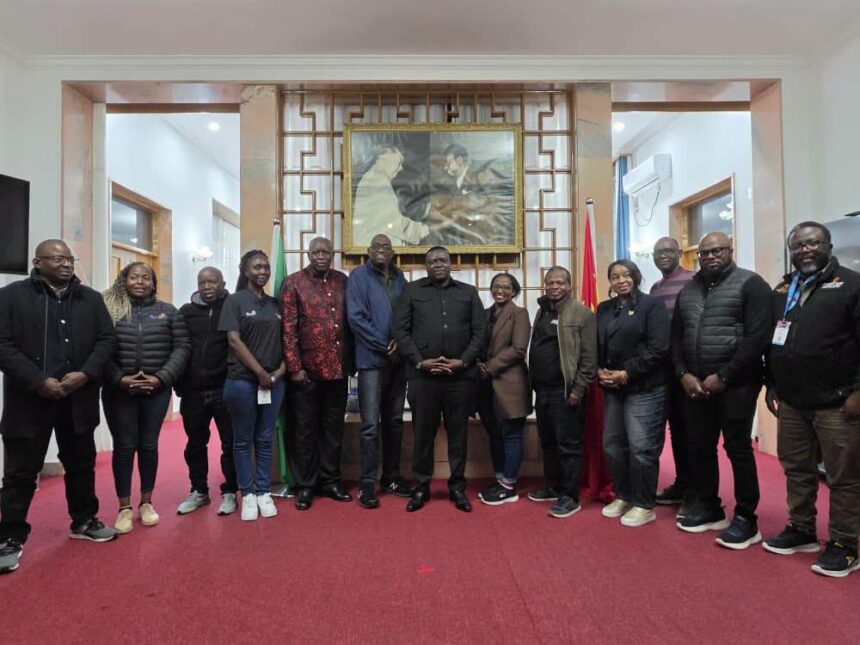
The ZTA delegation was led by Acting Chief Executive Officer Abigail Shansonga and included representatives from the Ministry of Tourism and Zambian tour operators. During their visit to Beijing, the delegation paid a courtesy call on Zambia’s Chargé d’Affaires, Nephas Ndhlovu, to discuss opportunities for strengthening tourism cooperation between Zambia and China. The meeting focused on the importance of diplomatic engagement in supporting tourism promotion, building relationships with travel businesses and making Zambia more visible to potential visitors. It also highlighted the role of Zambia’s diplomatic missions in helping local tourism operators establish international connections and explore new markets. The discussions reflected a coordinated approach that brings together government institutions, tourism businesses and diplomatic representatives to promote Zambia as a competitive travel destination.
Ndhlovu emphasised the strategic value of Zambia’s participation in international tourism platforms such as COITM 2026. He noted that these events provide opportunities to introduce Zambia to Chinese travel agents, develop commercial relationships and increase interest in the country’s tourism offerings. International tourism exhibitions can help destinations reach new audiences while allowing travel businesses to discuss tour packages, visitor preferences and potential partnerships. For Zambia, stronger engagement with Chinese travel industry stakeholders could create opportunities to develop travel products suited to visitors interested in wildlife, natural attractions, culture and outdoor experiences. The challenge will be to maintain these relationships after the events and turn initial discussions into actual bookings and sustained visitor growth.
The longstanding diplomatic relationship between Zambia and China also provides a foundation for expanding tourism cooperation. Both countries have established ties across several areas, creating opportunities to strengthen people-to-people exchanges through travel, education, business and cultural engagement. Ndhlovu highlighted the importance of continued dialogue on issues such as visa reciprocity, which could help make travel more convenient and encourage greater movement between the two countries. Easier travel arrangements can be an important consideration for tourists when choosing international destinations, although any changes to visa policies depend on decisions by the relevant authorities. Continued discussions on travel facilitation could therefore complement Zambia’s marketing efforts and help address practical barriers that may affect visitor numbers.
Shansonga stressed that Zambia needs sustained destination marketing tailored specifically to the Chinese market. Reaching potential travellers requires more than attending tourism exhibitions, as destinations must also maintain a visible presence where their target audiences search for travel information and make holiday decisions. She highlighted the potential of Chinese digital platforms, media engagement and targeted promotional campaigns to introduce Zambia’s tourism experiences to a wider audience. A focused marketing strategy could help communicate what makes the country distinctive while providing useful information about attractions, travel arrangements and available tour packages. Consistency will be important because building awareness and turning interest into travel bookings usually requires repeated engagement with prospective visitors and the travel businesses that serve them.
China’s digital environment offers Zambia an opportunity to explore promotional approaches that reflect local media habits and consumer preferences. Campaigns designed for Chinese audiences could feature Zambia’s wildlife, landscapes, cultural traditions and opportunities for nature-based tourism. Working with suitable media outlets and travel content creators could also help introduce the country to people who may not yet be familiar with its attractions. However, successful promotion will require accurate information, suitable language and content that responds to the interests of Chinese travellers. By adapting its communication strategy to the market, ZTA can seek to make Zambia more recognisable and encourage potential visitors to consider the country when planning international trips.
Shansonga also identified Zambian students studying in China as a potential resource for promoting the country’s tourism industry. These students may be able to share their experiences of Zambia with classmates, colleagues and wider social networks, helping introduce the country’s attractions and cultural heritage to new audiences. Their personal connections could complement formal advertising by providing relatable accounts of what visitors can experience in Zambia. If organised effectively, a tourism ambassador initiative could encourage students to participate in cultural events, share approved promotional materials and connect interested travellers with recognised tourism operators. Such an approach would need coordination and clear support from relevant institutions, but it could provide an additional channel for increasing Zambia’s visibility in China.
Zambia’s participation in COITM 2026 gave local tourism operators an opportunity to engage Chinese travel agents and explore potential commercial partnerships. These interactions can help businesses understand market expectations, identify suitable distribution partners and consider packages that appeal to different categories of travellers. For example, tour operators may explore opportunities to combine wildlife viewing, cultural activities and visits to major natural attractions into organised itineraries. Building relationships with international travel agents can also help local businesses reach customers who prefer to book holidays through established agencies. The long-term value of these engagements will depend on follow-up communication, commercially viable offers and the ability of Zambian operators to deliver reliable services to visitors.
Shansonga stressed that turning the opportunities created by COITM 2026 into measurable results would require consistent follow-up and close cooperation with the Zambia Mission in Beijing. This means maintaining contact with potential partners, responding to business enquiries and ensuring that promotional activities continue after the event. Tourism operators also need to develop clear offers that Chinese travel agents can understand and market to their clients. Cooperation between the agency, the Ministry of Tourism, diplomatic representatives and private businesses can help align promotional messages and avoid fragmented efforts. By maintaining this coordination, Zambia can work towards converting international exposure into partnerships, bookings and increased tourist arrivals.
The China market initiative supports the Grow Zambia Agenda, championed by President Hakainde Hichilema, which aims to attract five million international tourist arrivals by 2031. Achieving this target will require Zambia to strengthen its appeal across multiple international markets while ensuring that tourism businesses can accommodate growing visitor numbers. Expanding promotion in China could help diversify the country’s visitor markets and create opportunities for tour operators, accommodation providers, transport companies and other tourism-related businesses. Increased tourism activity can also support employment and create income opportunities for communities involved in hospitality, crafts, cultural experiences and other visitor services. However, progress towards the national target will depend on effective marketing, convenient travel arrangements, suitable infrastructure and consistent service quality.
Zambia has a range of tourism experiences that can support its efforts to attract international visitors. Its natural attractions, wildlife areas, rivers, waterfalls and cultural heritage provide opportunities for different types of holidays, including nature tourism, adventure travel and cultural exploration. The challenge is to communicate these experiences clearly to audiences who may have limited knowledge of the country or its tourism industry. Targeted marketing can help potential visitors understand what Zambia offers, while partnerships with travel agents can make it easier for them to arrange suitable trips. Combining promotional activity with dependable tourism services could strengthen the country’s reputation and encourage visitors to recommend Zambia to others.
The initiative also presents opportunities for private sector investment and closer cooperation between Zambian and Chinese businesses. As awareness of Zambia grows, tourism operators may explore partnerships involving travel packages, accommodation, transport and other services required by international visitors. Stronger business links could support the development of new tourism products and improve access to international distribution networks. For these opportunities to deliver lasting benefits, partnerships will need clear commercial objectives and a shared understanding of visitor expectations. Continued collaboration between public institutions and private businesses will therefore remain important as Zambia seeks to expand its presence in the Chinese tourism market.
ZTA’s engagement with the Zambia Mission in Beijing marks an important step in the country’s efforts to strengthen tourism promotion in China and increase international visitor arrivals. The discussions following COITM 2026 highlighted the value of diplomatic cooperation, targeted digital marketing, travel facilitation and stronger relationships with Chinese travel industry stakeholders. Mobilising Zambian students as tourism ambassadors could provide another way to introduce the country’s attractions and culture to potential visitors. These efforts align with the government’s ambition to attract five million international tourists by 2031 and expand the contribution of tourism to national development. Ultimately, Zambia’s success in the Chinese market will depend on its ability to turn promotional opportunities into lasting partnerships, actual travel bookings and meaningful economic benefits for its people.