

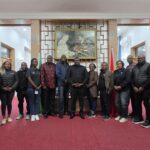
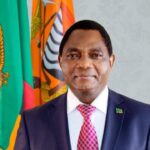





Zambian President Hakainde Hichilema has joined regional leaders and delegates ahead of the official opening of the 20th Ordinary Session of the Regional Inter-Ministerial Committee Meeting of the International Conference on the Great Lakes Region (ICGLR) in Lusaka. The high-level gathering is taking place at the InterContinental Hotel and brings together representatives of member states to discuss regional cooperation, peace, security and sustainable development. The meeting highlights the importance of continued dialogue among Great Lakes countries as they address shared political, economic and security challenges. It also provides an opportunity for participating governments to strengthen their relationships and explore practical ways to promote stability across the region. Zambia’s participation reflects its engagement in regional efforts aimed at building peaceful relations and supporting long-term development among neighbouring countries.
The International Conference on the Great Lakes Region is a regional organisation that brings together countries committed to addressing common challenges affecting the Great Lakes area. Its work focuses on promoting peace and security, improving political cooperation and supporting development in a region that has experienced periods of conflict and instability. These challenges often extend beyond national borders, making cooperation between governments important for finding lasting solutions. Through meetings such as the Regional Inter-Ministerial Committee Session, member states can exchange views, review shared priorities and identify areas where coordinated action is needed. The organisation provides a framework for governments to discuss sensitive issues and work towards common objectives through regional engagement.
The 20th Ordinary Session of the Regional Inter-Ministerial Committee Meeting offers participating countries an important platform to assess progress and strengthen their approach to regional challenges. Bringing ministers and other senior representatives together allows governments to discuss issues that may require joint responses rather than isolated national action. Peace and security remain important priorities because instability in one country can affect neighbouring states through displacement, disrupted trade and wider humanitarian pressures. Regional cooperation can help governments improve communication, coordinate responses and build confidence among their institutions. The meeting also creates space to consider how stronger cooperation can support economic development and improve conditions for communities across the Great Lakes region.
President Hichilema’s participation places Zambia among the regional stakeholders engaging in discussions on these shared priorities. As host country, Zambia provides a setting for delegates to meet, exchange perspectives and strengthen diplomatic relationships. Such engagements can help participating governments maintain open channels of communication, particularly when dealing with complex regional concerns. High-level meetings also provide opportunities to reaffirm commitments to peaceful cooperation and identify areas where countries can work together more effectively. However, the value of the gathering will ultimately depend on the decisions made, the commitments agreed upon and the follow-up actions taken by member states.
Peace and security are central to the ICGLR’s regional agenda because lasting stability creates conditions for social and economic progress. Countries affected by conflict often face difficulties attracting investment, maintaining essential services and expanding employment opportunities. Insecurity can also disrupt transport routes, weaken cross-border trade and place additional pressure on public resources. Cooperation between governments can support efforts to address shared security concerns, strengthen trust and reduce the risk of disputes escalating into wider crises. The discussions in Lusaka therefore form part of a broader regional effort to encourage stability through dialogue, cooperation and coordinated action.
Sustainable development is another important issue for Great Lakes countries seeking to improve living standards and expand economic opportunities. Regional cooperation can help countries identify shared priorities in areas such as trade, infrastructure, environmental protection and public services. Stronger economic links may also create opportunities for businesses to reach new markets and improve the movement of goods across borders. These benefits depend on effective policies, reliable institutions and practical cooperation between governments. By keeping development alongside peace and security on the regional agenda, the ICGLR provides a platform for addressing the relationship between stability and economic progress.
The meeting also underlines the importance of diplomacy in addressing challenges that affect more than one country. Regional dialogue allows governments to communicate their concerns, understand different perspectives and seek solutions through established channels. This process can be particularly valuable when countries face competing interests or disagreements that require careful negotiation. Regular ministerial engagement can help maintain working relationships and provide opportunities to review commitments made during earlier meetings. For these efforts to produce lasting results, participating countries must translate discussions into concrete measures and maintain cooperation after the session concludes.
For Zambia, hosting the ICGLR gathering provides an opportunity to support regional engagement and demonstrate its participation in collective efforts to promote peace and development. Lusaka’s role as the venue allows representatives from member states to engage directly on issues affecting the wider region. The gathering also highlights the importance of cooperation between national governments and regional institutions in addressing challenges that cannot easily be resolved by one country alone. Continued engagement can help strengthen diplomatic ties and create opportunities for collaboration in areas of common interest. The broader objective is to ensure that regional discussions contribute to practical progress for countries and their citizens.
The 20th Ordinary Session of the Regional Inter-Ministerial Committee Meeting of the International Conference on the Great Lakes Region is therefore an important occasion for regional dialogue in Lusaka. President Hakainde Hichilema’s participation, alongside regional leaders and delegates, highlights the importance of cooperation in pursuing peace, security and sustainable development. The gathering provides member states with a platform to discuss shared concerns, strengthen diplomatic relationships and consider coordinated responses to regional challenges. Its lasting significance will depend on how effectively participating governments implement their commitments and maintain cooperation beyond the meeting. Through sustained dialogue and practical action, Great Lakes countries can work towards a more stable region with stronger prospects for economic growth and improved living standards.