






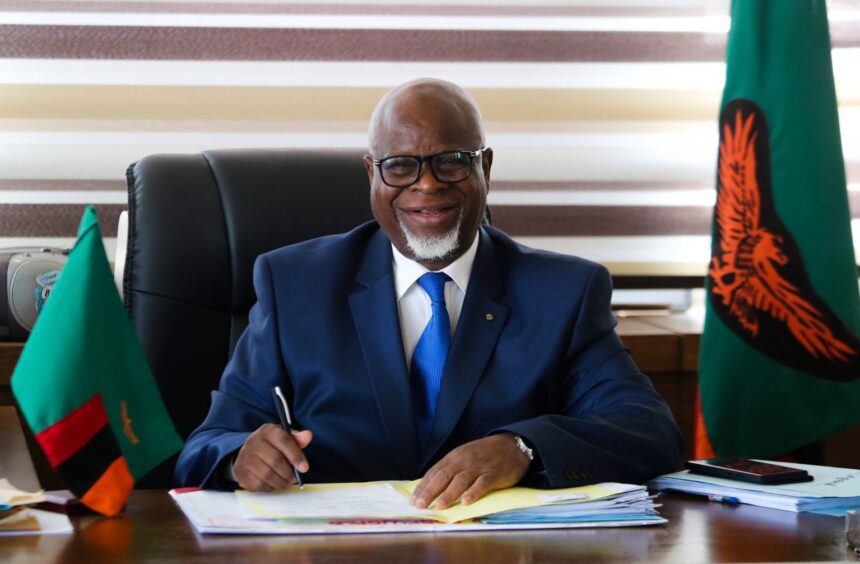
Hakainde Hichilema has removed Minister of Health Elijah Muchima and Minister of Small and Medium Enterprise Development Elias Mubanga from their positions with immediate effect. The decision was confirmed through an official State House press release issued in Lusaka on February 18, 2026. The statement cited Article 116 (3) (a) of the Constitution of the Republic of Zambia, which grants the President authority to appoint and dismiss ministers. The communication remained formal and concise, outlining the constitutional basis for the action without further detail. This development marks a sudden adjustment within Zambia’s cabinet leadership.
No explanation was provided regarding the reasons behind the removal of the two ministers. The statement focused strictly on confirming that both officials had been relieved of their duties and that replacements would be announced at a later stage. State House expressed appreciation for their service and extended well wishes for their future endeavours. The lack of detailed context has left room for public interest, especially given the importance of the ministries involved. Cabinet reshuffles of this nature often signal internal restructuring or shifts in government priorities, although no such direction was outlined in this case.
The Ministry of Health now operates without a political head, with senior civil servants expected to maintain continuity in operations and service delivery. This ministry plays a central role in managing public healthcare systems, policy implementation, and national health programmes. The Ministry of Small and Medium Enterprise Development also remains without leadership, despite its role in supporting entrepreneurship, small business growth, and economic participation. Both ministries are critical to Zambia’s development agenda, particularly in areas of public health and economic empowerment.
Cabinet changes fall under presidential authority and can be implemented at any point during a government’s term. This latest move confirms an immediate shift in Zambia’s executive structure, leaving two key portfolios vacant. Attention now turns to who will be appointed to fill these roles and how quickly leadership will be restored. The coming appointments will influence continuity, policy direction, and confidence in both sectors.