


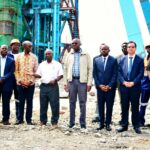
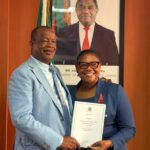



The newly installed Mayor of Kalulushi Municipal Council, His Worship Paul Chivunda, has been urged to work closely with councillors, council management and other stakeholders to improve service delivery and promote local development. Ministry of Local Government and Rural Development Permanent Secretary for Technical Services, Mr. Nicholas Phiri, delivered the call during the mayoral installation ceremony, where he served as Guest of Honour. He emphasised that the success of local leadership should be measured by the quality of services provided to residents rather than the position or title held by an individual. Mr. Phiri called on the new Mayor and the Council to align their work with the Presidential Grow Zambia Agenda and ensure that development priorities produce practical benefits for the community. His message highlighted the importance of accountable leadership, responsible use of public resources and cooperation in addressing the needs of Kalulushi residents.
Mr. Phiri stressed that the Mayor, councillors and council management must work towards a common development vision. He noted that disagreements and differences should not prevent local leaders from making decisions that benefit the people they serve. Effective cooperation within the Council can help improve planning, strengthen decision-making and ensure that public resources support agreed priorities. The Mayor and councillors also need to work with government departments, businesses and residents to identify challenges and develop practical solutions. Such collaboration can help the local authority respond more effectively to community needs while advancing the broader objectives of the Grow Zambia Agenda.
The Permanent Secretary explained that local authorities play an important role in translating national development priorities into action at community level. While national policies provide direction, councils are responsible for delivering many of the services that residents depend on in their daily lives. These include maintaining municipal infrastructure, managing waste, improving drainage and supporting the orderly development of towns. Local authorities can also contribute to economic growth by creating conditions that encourage investment, support businesses and expand employment opportunities. Mr. Phiri therefore called on Kalulushi Municipal Council to focus on practical initiatives that improve living conditions and strengthen the local economy. The emphasis was on ensuring that national development commitments result in visible improvements within communities.
The Presidential Grow Zambia Agenda was a central theme of Mr. Phiri’s address. He urged the new Mayor and the Council to support the agenda by promoting productivity, encouraging investment and creating opportunities for businesses to grow. At local level, these objectives require councils to understand the economic needs of their communities and make decisions that support sustainable development. A local authority can help create a favourable environment for enterprise through effective planning, reliable public services and constructive engagement with the private sector. Improved municipal services can also make an area more attractive to investors and support businesses that depend on functioning roads, proper drainage and effective waste management. By connecting local development plans with the Grow Zambia Agenda, Kalulushi Municipal Council can help advance broader national economic priorities.
Mr. Phiri also emphasised that development plans must go beyond promises and lead to measurable results. Residents need to see practical improvements in the services they receive and the infrastructure they use. Waste collection, drainage maintenance and the management of public spaces are important aspects of municipal administration because they affect cleanliness, safety and everyday living conditions. Poor drainage can disrupt movement during heavy rainfall, while inadequate waste management can create environmental and public health concerns. Addressing these challenges requires proper planning, suitable equipment, sufficient resources and consistent oversight. The Permanent Secretary’s message placed responsibility on the Council to turn development commitments into projects and services that respond to the actual needs of Kalulushi residents.
Responsible management of public funds was another key issue raised during the installation ceremony. Mr. Phiri called for prudent use of resources, transparency and accountability in the operations of the local authority. Municipal councils must ensure that public money supports approved priorities and that spending decisions reflect the needs of the communities they serve. Sound financial management can help reduce waste, improve project implementation and ensure that limited resources deliver meaningful results. Transparency also allows residents to understand how decisions are made and how public funds are used. Strengthening accountability within Kalulushi Municipal Council will therefore be important in building public confidence and ensuring that development activities remain focused on community priorities.
The Permanent Secretary further urged Mayor Chivunda to embrace inclusive leadership and maintain constructive relationships with councillors, government departments, private sector representatives and residents. Inclusive leadership allows different groups to contribute ideas and identify challenges that may otherwise be overlooked. Residents can provide valuable information about service delivery gaps, infrastructure needs and local economic opportunities. Businesses can also help identify barriers to investment and suggest ways to support enterprise development. Regular engagement with these stakeholders can improve the quality of council decisions and help build shared responsibility for local progress. Mr. Phiri stressed that political and social differences should not stand in the way of development, reinforcing the need for cooperation in pursuing the interests of Kalulushi.
The private sector also has an important role to play in supporting economic activity and employment at local level. When councils provide clear procedures, effective municipal services and sound development planning, businesses may find it easier to establish operations and expand existing activities. Local enterprises can contribute to job creation, household incomes and the supply of goods and services within the community. Investment in infrastructure and the improvement of the local business environment can help support these activities, although actual outcomes depend on market conditions and the availability of resources. Kalulushi Municipal Council can contribute by engaging with business owners, identifying local development opportunities and ensuring that its plans respond to the needs of the economy. These efforts would support the wider objective of making local development a practical part of the Grow Zambia Agenda.
Cooperation between local authorities and other government institutions is equally important for achieving development goals. Municipal councils often need to coordinate with relevant departments to address infrastructure, environmental management and other public service challenges. Effective coordination can reduce duplication, improve the use of available resources and help ensure that projects complement broader development plans. Community participation can strengthen this process by helping officials understand which problems residents consider most urgent. By bringing together public institutions, businesses and communities, Kalulushi can build a more coordinated approach to local development. Mr. Phiri’s call for collective action reflected the importance of shared responsibility in improving livelihoods and building stronger communities.
The installation of Paul Chivunda as Mayor of Kalulushi Municipal Council provides an opportunity for the local authority to focus on its development priorities and the quality of services delivered to residents. The expectations outlined by Mr. Phiri place emphasis on teamwork, inclusive leadership, financial accountability and measurable outcomes. Meeting these expectations will require the Council to identify priority needs, plan its activities carefully and monitor whether projects deliver the intended benefits. It will also require consistent engagement with residents and other stakeholders to ensure that development decisions reflect conditions on the ground. Progress should be assessed through practical improvements in municipal services, infrastructure and the local business environment rather than through commitments alone. These measures can help the Council maintain a clear focus on the needs of the people it serves.
Mr. Phiri’s message to the newly installed Kalulushi Mayor underlined the importance of turning public leadership into tangible development results. By working together, the Mayor, councillors, council management and other stakeholders can help improve service delivery and support economic opportunities across the municipality. Responsible management of public resources, transparent decision-making and inclusive engagement will be essential to achieving these goals. The Grow Zambia Agenda provides a national development framework that local authorities can support through practical action within their communities. For Kalulushi residents, the key measure of progress will be whether these commitments lead to better infrastructure, more reliable public services and improved opportunities for local businesses and workers. Sustained cooperation and accountable leadership will be central to ensuring that the Council’s work contributes to stronger communities and Zambia’s wider development aspirations.