



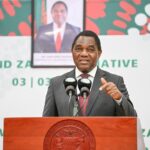




The Zambia Tourism Agency (ZTA) has launched a media training programme aimed at strengthening tourism reporting and improving digital communication for more impactful storytelling. Day 1 of the training focused on equipping media professionals with practical skills that can help them communicate Zambia’s tourism potential more effectively to local and international audiences. The programme recognises the important role journalists and digital content creators play in shaping how destinations are perceived by travellers. Through stronger reporting and more effective digital communication, the media can help bring greater attention to Zambia’s attractions, experiences and tourism opportunities. The training therefore represents an important step towards building a more informed and capable tourism media environment.
Tourism depends heavily on compelling stories that give potential visitors a reason to explore a destination. Zambia has a wide range of tourism experiences that can be communicated through news reports, feature stories, photographs, videos and digital content. However, effective storytelling requires more than simply providing information about attractions. Media professionals need to understand how to identify strong tourism angles, present experiences clearly and use digital platforms to reach audiences effectively. The ZTA training provides an opportunity for journalists to strengthen these skills while gaining a deeper understanding of how their work can contribute to the growth of the tourism sector.
The focus on digital communication is particularly important as travellers increasingly use online platforms when researching destinations and planning trips. Social media, websites, video platforms and other digital channels allow tourism stories to reach audiences far beyond traditional media audiences. This creates opportunities for Zambia to showcase its tourism offerings to potential visitors across Africa and international markets. At the same time, digital platforms require content that is accurate, engaging and suited to the way people consume information online. Training media professionals in effective digital communication can help ensure that Zambia’s tourism stories remain competitive in an increasingly digital global tourism environment.
Day 1 also highlighted the importance of professional tourism reporting in presenting Zambia in an accurate and appealing manner. Journalists have the responsibility to provide reliable information while identifying the features that make a destination interesting to potential visitors. Good tourism reporting can highlight attractions, local communities, cultural experiences, hospitality businesses and other elements that contribute to the visitor experience. It can also help audiences understand the broader economic and social value of tourism. By strengthening the quality of tourism coverage, the media can contribute to greater awareness of Zambia as a destination.
The training comes at a time when digital storytelling has become an important tool for destination marketing. A well-produced article, photograph or video can introduce audiences to places they may not have previously considered visiting. Digital storytelling can also give smaller tourism businesses and lesser-known destinations greater visibility. Media professionals who understand how to combine strong storytelling with digital communication techniques can help ensure that these stories reach the right audiences. This can create greater exposure for tourism attractions while encouraging interest in travel experiences across Zambia.
Effective tourism communication also requires stories that go beyond traditional descriptions of destinations. Visitors increasingly want to understand what they can experience, how they can engage with local communities and what makes a particular destination different. Journalists can help answer these questions through detailed reporting that captures the character and experiences associated with different tourism locations. Human interest stories, cultural features and reports on conservation can add depth to tourism coverage. This approach can create more meaningful connections between audiences and the destinations being presented.
The media also has an important role in highlighting the contribution of tourism to communities and the wider economy. Tourism supports businesses and creates opportunities across areas such as accommodation, transport, food services, guiding, entertainment and cultural activities. Strong reporting can help audiences understand these connections while giving visibility to people whose livelihoods depend on tourism. Coverage can also draw attention to local entrepreneurs and community initiatives that contribute to the visitor experience. By telling these stories professionally, journalists can help demonstrate why tourism development matters beyond attracting visitors.
The emphasis on more impactful storytelling means that media professionals are being encouraged to think carefully about how they present Zambia’s tourism potential. Stories need to capture attention while remaining factual and responsible. Digital audiences often have many competing sources of information, which makes clarity and originality important when communicating tourism experiences. Journalists can use different formats, including written articles, photography, video and social media content, to present stories in ways that suit different audiences. Developing these skills can help Zambia build a stronger and more consistent presence across tourism-related media platforms.
Training also provides an opportunity for closer engagement between the tourism sector and the media. A better understanding of tourism priorities can help journalists identify relevant stories and provide more informed coverage. At the same time, tourism stakeholders can gain a better understanding of what media professionals need to produce useful and engaging content. This relationship can support more regular coverage of tourism developments, destinations and experiences. Strong communication between the tourism industry and media can ultimately help create a more active tourism information environment.
Day 1 of the ZTA Media Training has therefore placed an important focus on the skills needed to communicate Zambia’s tourism potential in a changing media environment. By strengthening tourism reporting and digital communication, the programme can help media professionals produce stories that are informative, engaging and capable of reaching wider audiences. The training also recognises that Zambia’s tourism growth depends partly on how effectively the country communicates its attractions and experiences to potential visitors. When journalists and digital communicators have the right skills, they can help bring greater visibility to destinations, businesses, communities and tourism opportunities. The initiative provides a strong foundation for more impactful storytelling that can help showcase Zambia’s tourism potential to audiences at home and around the world.