






Zambia has begun the process of domestication of the African Continental Free Trade Area Protocol on Women and Youth in Trade, marking an important step toward creating more inclusive trade opportunities for women and young people across the country. The process is focused on turning Zambia’s continental commitments into practical measures that can help women and youth-led businesses participate more effectively in local, regional and continental markets. Government officials and stakeholders are calling for evidence-based actions that address the barriers preventing many entrepreneurs from taking advantage of trade opportunities under the African Continental Free Trade Area. The initiative comes as Zambia continues to pursue economic diversification and greater participation in regional and international trade. Its success will depend on identifying existing gaps, developing workable solutions and ensuring that women and youth are directly involved in shaping the implementation process.
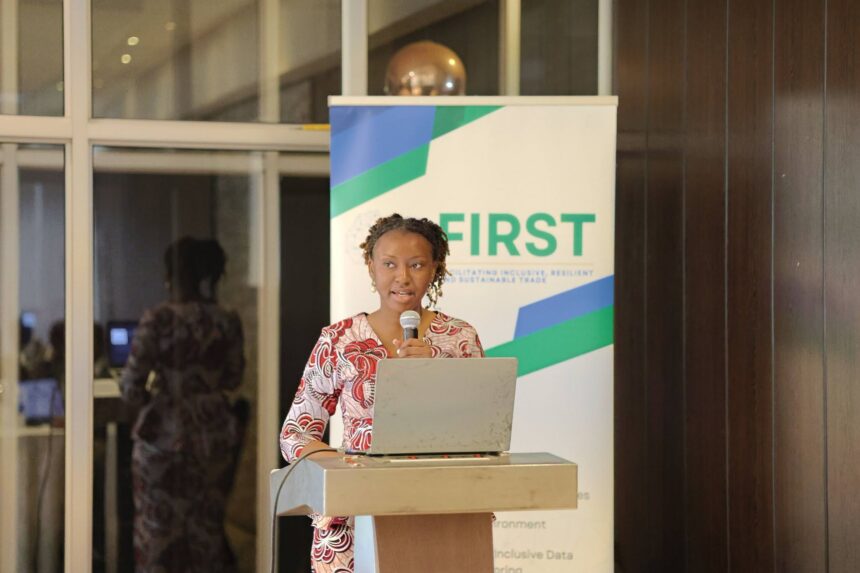
The development was highlighted during the official opening of a three-day technical workshop on the domestication of the AfCFTA Protocol on Women and Youth in Trade, taking place from 21st to 23rd September 2026. Permanent Secretary in charge of Trade and Commerce, Mrs. Lillian S. Bwalya, described the workshop as a critical step toward translating continental commitments into tangible economic benefits at national level. Her speech was delivered on her behalf by Ms. Malala Siakalenge Suleman, Senior Bilateral and Regional Trade Officer in the Ministry of Commerce, Trade and Industry. The workshop brings together stakeholders who are expected to contribute technical knowledge and practical experience to the domestication process. Their work is intended to help Zambia establish a clear framework for moving from policy commitments to implementation.
The technical workshop is expected to produce several important tools to guide Zambia’s approach to the AfCFTA Women and Youth in Trade Protocol. These include an assessment framework and matrix that will help determine the country’s readiness to domesticate the Protocol. Stakeholders will also work on consultation tools, a domestication action plan and a monitoring and evaluation framework. Together, these instruments are intended to provide a structured way of identifying what Zambia already has in place and where additional action is needed. The process is particularly important because effective implementation requires clear responsibilities, measurable targets and mechanisms for tracking progress over time.
The need for targeted action is underscored by findings from the UNDP Country Scan Report under the Enhancing Capacities for Women and Youth-led Enterprises for Regional Trade Project. The report indicates that Zambia’s business landscape is dominated by small and medium enterprises, with 73 percent reported to be unregistered. It also states that 87 percent of these enterprises are women-led while 76 percent are youth-led, highlighting the significant role that women and young people already play in entrepreneurship. At the same time, 82 percent reportedly lack awareness of relevant trade agreements and 90 percent have never used AfCFTA provisions. These figures point to a significant gap between the existence of continental trade opportunities and the ability of many businesses to understand and use them.
Limited awareness of trade agreements can create practical challenges for entrepreneurs seeking to expand beyond Zambia. Business owners may need to understand market access conditions, trade rules, documentation requirements and other provisions before they can effectively participate in continental trade. For women and youth-led enterprises that already face barriers related to formalization and market access, a lack of information can make regional expansion more difficult. Improving access to understandable trade information could therefore form an important part of the domestication process. The workshop’s focus on assessment, consultation and planning provides an opportunity to identify the specific information and support that businesses need to participate more effectively in AfCFTA trade.
Business registration is another issue highlighted by the reported data. With a large proportion of SMEs described as unregistered, formalization remains an important consideration when discussing access to broader markets and trade support. Registration can be linked to a business’s ability to interact with formal institutions, access certain services and build relationships with potential commercial partners, although the exact requirements vary depending on the activity and market involved. Addressing barriers to formalization therefore requires more than simply encouraging businesses to register. Policymakers and support organizations need to understand the costs, procedures, information gaps and other factors that may discourage entrepreneurs from entering the formal economy.
The strong representation of women and youth among Zambia’s SMEs also demonstrates why the AfCFTA Protocol on Women and Youth in Trade has relevance to the country’s wider economic development objectives. Women-led and youth-led enterprises are already a significant part of the business environment, according to the figures presented at the workshop. Creating conditions that allow these enterprises to grow could strengthen their contribution to production, employment and trade. However, participation in trade depends on more than having access to larger markets. Entrepreneurs also need the ability to understand market requirements, overcome operational barriers and access the support needed to compete effectively.
Ms. Nadira Bayat, Team Leader for the Facilitating Inclusive, Resilient and Sustainable Trade Project, said the Protocol represents an important milestone in efforts to make the AfCFTA more inclusive. She emphasized that expanding markets alone would not be sufficient if women and young people were unable to access those markets. According to Bayat, trade policy needs to address the specific barriers and constraints experienced by women and youth traders. This approach places practical participation at the centre of the domestication process rather than treating market access as an end in itself. It also recognizes that different groups of traders may face different challenges when attempting to benefit from regional trade opportunities.
The Facilitating Inclusive, Resilient and Sustainable Trade Project, known as FIRST, is implemented by Cowater International and funded by Global Affairs Canada. The project is collaborating with stakeholders to support the technical workshop and the broader domestication process. The Ministry of Commerce, Trade and Industry has expressed appreciation for this collaboration and support. The involvement of development partners can provide additional technical capacity during the assessment and planning stages. However, the domestication process remains a nationally led and nationally owned undertaking, with Zambian institutions and stakeholders responsible for determining priorities and implementation measures.
Bayat also explained that FIRST is applying a broader Gender Equality, Disability and Social Inclusion perspective to the implementation process. While the AfCFTA Protocol specifically focuses on women and youth, the broader approach also considers disability inclusion and trade. This means that the assessment can take into account the experiences of traders who may face additional barriers because of disability or other forms of exclusion. Such an approach can help ensure that trade-related policies consider the practical circumstances of different groups. It also reinforces the importance of consulting directly with women, youth and traders with disabilities rather than relying only on institutional assessments.
The consultation process is expected to draw on the knowledge and experience of the institutions participating in the workshop as well as the priorities of women, youth and traders with disabilities. Direct consultation can help policymakers identify barriers that may not be fully visible through national statistics or existing policy documents. Entrepreneurs can provide practical information about challenges involving market access, trade information, formalization and participation in regional markets. These experiences can then inform the development of the domestication action plan. A process based on evidence and stakeholder input can also help ensure that proposed measures address specific problems rather than relying on broad policy commitments alone.
The AfCFTA creates a framework for increasing trade among African countries, but the ability of individual businesses to benefit from that framework depends on conditions at national level. Zambia’s domestication of the Women and Youth in Trade Protocol is therefore significant because it focuses on the practical mechanisms needed to improve participation. Women and youth entrepreneurs need access to information and markets, but they also need policies and support systems that recognize the challenges they face. The domestication process provides an opportunity to connect these needs with Zambia’s broader trade and economic development priorities. If effectively implemented, the resulting measures could help more women and young people engage with regional and continental markets.
The three-day workshop is expected to conclude with a clearer understanding of the measures Zambia already has in place and the gaps that require further attention. Stakeholders are also expected to develop a roadmap setting out responsibilities for moving the domestication process forward. Establishing defined responsibilities will be important because implementation requires coordination among Government institutions, private-sector organizations, development partners and the affected business communities. Monitoring and evaluation will also help stakeholders track whether the measures adopted are producing practical improvements. The process can therefore provide a foundation for turning the Protocol from a continental commitment into concrete national actions.
Zambia’s move to domesticate the AfCFTA Protocol on Women and Youth in Trade comes at a time when the country is seeking greater economic diversification and stronger participation in regional trade. The figures presented at the workshop show both the importance of women and youth-led SMEs and the scale of the challenges they face in accessing formal trade opportunities. High levels of business informality, limited awareness of trade agreements and low use of AfCFTA provisions indicate areas where targeted interventions may be necessary. The domestication process offers an opportunity to address these gaps through practical planning, stakeholder consultation and measurable implementation measures. Ultimately, the value of the Protocol will depend on whether it helps women and young people move from being important participants in Zambia’s SME sector to more active and successful participants in regional and continental trade.