






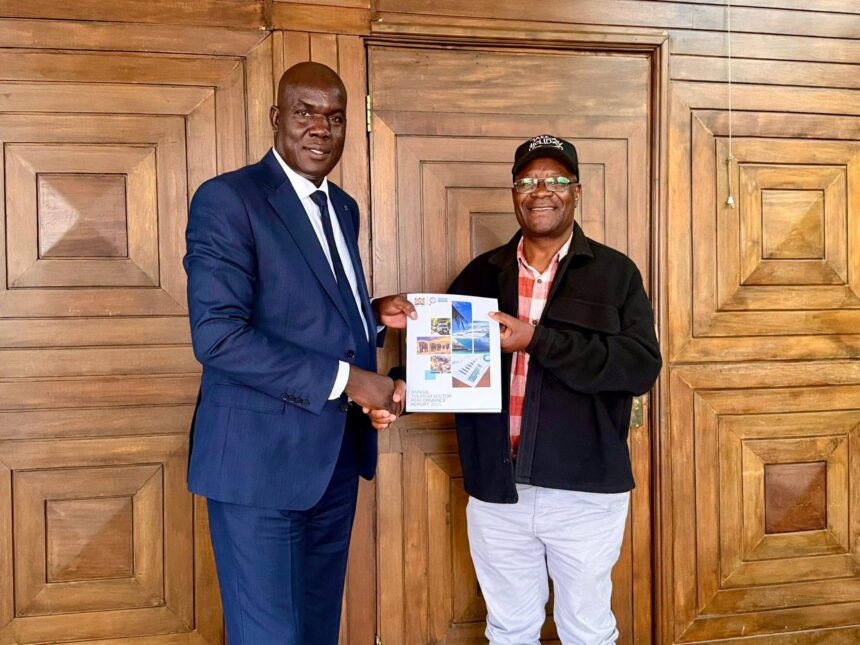
Zambia is seeking to strengthen its tourism research, statistics and data management systems through technical cooperation with Kenya as the country works towards attracting five million international tourist arrivals by 2031. The initiative aims to improve the quality of tourism data available to policymakers, investors and industry stakeholders, supporting better planning and more effective destination marketing. A Zambian delegation recently held benchmarking discussions with the Tourism Research Institute (TRI) in Nairobi, focusing on tourism statistics, digital data collection, visitor surveys and institutional capacity building. The engagement reflects Zambia’s growing recognition that reliable data is essential for understanding visitor trends, identifying investment opportunities and measuring the performance of the tourism industry. By learning from Kenya’s experience, Zambia hopes to strengthen its tourism institutions and build a more competitive, resilient and sustainable sector that contributes to national economic growth.
Speaking during the engagement, Director of Tourism Dr. Andrew Chilufya emphasised the importance of reliable tourism data in supporting informed policy decisions, investment promotion and effective destination marketing. Accurate statistics help governments understand how many visitors enter a country, where they come from, how long they stay and what experiences they seek. This information can guide decisions on infrastructure development, tourism product diversification and the allocation of resources to areas with strong growth potential. It can also help tourism businesses identify changing consumer preferences and develop services that respond to market demand. For Zambia, improving tourism research and data management will be important in measuring progress towards the target of five million international tourist arrivals by 2031.
Tourism statistics provide more than a record of visitor numbers because they help explain the wider economic impact of travel and tourism. Information on visitor spending, accommodation demand, transport use and travel patterns can help identify which activities contribute most to the economy. These insights can support the development of policies that encourage longer stays, increase local spending and spread tourism benefits across different destinations. Reliable data also helps authorities assess whether marketing campaigns attract the intended audiences and whether investments deliver measurable results. Without consistent information, decision-makers may struggle to identify emerging trends, assess performance or determine which interventions require adjustment.
Kenya’s Tourism Research Institute offers Zambia an opportunity to learn from an established approach to tourism research and statistical management. During the discussions in Nairobi, Acting Chief Executive Officer of the Institute, Mr. Hesbon Oyiendo, explained that Kenya places strong emphasis on collaboration with statistical agencies, private sector organisations and academic institutions. This approach helps ensure that research reflects the needs of tourism businesses and responds to wider industry developments. Cooperation among these stakeholders can improve the collection, verification and interpretation of tourism information. It can also help create a shared understanding of the challenges facing the sector and identify practical solutions based on evidence rather than assumptions.
One of the key areas highlighted during the engagement was the development of a digital tourism information dashboard by Kenya’s Tourism Research Institute. The planned platform aims to improve access to tourism statistics and support timely decision-making by making relevant information easier to retrieve and interpret. Digital systems can help reduce delays in compiling reports, improve the organisation of data and make it easier to compare performance across different periods. When designed effectively, such platforms can also help tourism authorities, researchers and businesses identify changes in visitor behaviour and respond more quickly to emerging opportunities. For Zambia, cooperation in digital statistical reporting could support efforts to modernise tourism information systems and make research findings more accessible to those who need them.
Digital data collection is particularly valuable in an industry where visitor preferences and travel patterns can change over time. Traditional data collection methods can provide important information, but manual processes may require substantial time and effort to compile, check and analyse results. Digital tools can support more efficient visitor surveys, improve the transfer of information between institutions and reduce some of the administrative challenges associated with reporting. However, the benefits depend on reliable technology, clear data standards and adequate training for the people responsible for collecting and managing information. Zambia’s interest in these systems reflects the need to combine digital innovation with sound research practices and strong institutional capacity.
Visitor surveys are another important component of tourism research because they help explain the experiences and expectations behind arrival statistics. Counting international visitors alone does not reveal why people choose a destination, which attractions they visit or what factors influence their spending. Surveys can provide information on visitor satisfaction, accommodation choices, transport preferences, travel motivations and areas where services may need improvement. Such findings can help tourism authorities identify weaknesses in the visitor experience and encourage businesses to improve the quality of their products. By strengthening visitor surveys and research methodologies, Zambia can develop a clearer picture of its tourism market and make more informed decisions about attracting and retaining visitors.
The discussions also explored opportunities for technical cooperation in tourism satellite accounts, research methodologies, staff training and digital statistical reporting systems. Tourism satellite accounts are statistical frameworks used to measure tourism’s contribution to an economy by connecting tourism-related spending with national economic data. They can help governments estimate the sector’s contribution to economic output, employment and other key indicators. This information is important because tourism activity often spans several industries, including accommodation, transport, food services, retail and recreation. Stronger tourism satellite accounting can therefore help Zambia assess the sector’s wider economic value and make a stronger case for investment in tourism development.
Staff training and institutional capacity building will also be important if Zambia is to establish more reliable and sustainable tourism data systems. Modern research tools deliver limited benefits when staff lack the skills needed to collect accurate information, analyse results and communicate findings clearly. Training can strengthen expertise in survey design, statistical analysis, data validation and the preparation of tourism reports. It can also help institutions adopt consistent methods so that statistics remain comparable across different regions and reporting periods. Technical cooperation with Kenya could support knowledge sharing and help Zambian tourism professionals develop the skills required to manage increasingly sophisticated research and information systems.
Mr. Oyiendo also highlighted the importance of domestic tourism, stakeholder participation and accurate data reporting in building a resilient and competitive tourism industry. Domestic tourism provides opportunities for residents to explore attractions within their own country and can support businesses when international arrivals fluctuate. Better information about domestic travel patterns can help tourism operators understand local demand, develop suitable packages and identify opportunities to encourage more frequent travel. Stakeholder participation is equally important because tourism businesses, communities, researchers and public institutions hold different types of information about the sector. Bringing these perspectives together can improve the relevance of tourism research and support decisions that reflect the needs of the industry.
For Zambia, stronger tourism data systems could help promote a wider range of destinations beyond the country’s most recognised attractions. Reliable information can help authorities identify areas with growth potential, understand visitor movement and assess the infrastructure or services needed to support tourism development. Better research may also help guide investment in accommodation, transport links, visitor facilities and tourism activities that reflect local strengths. Communities can benefit when tourism planning considers local products, cultural experiences and opportunities for small businesses to participate in the visitor economy. These benefits, however, depend on translating research findings into practical policies, investment decisions and effective destination management.
The target of five million international tourist arrivals by 2031 gives added importance to Zambia’s efforts to improve tourism planning and measurement. Achieving such an ambition requires more than promotional campaigns because visitors also consider accessibility, service quality, safety, accommodation options and the range of experiences available. Tourism data can help identify which markets offer the strongest opportunities and where improvements are needed to make destinations more attractive. It can also help authorities monitor progress over time and adjust their strategies when results fall short of expectations. A clear statistical framework will allow Zambia to measure performance more consistently and assess whether tourism growth is translating into wider economic benefits.
Regional cooperation can strengthen these efforts by allowing countries to share practical experience and learn from approaches that have worked in different settings. Kenya’s experience in tourism research provides a useful reference point for Zambia as it considers improvements to its own institutions and systems. However, effective cooperation requires adapting lessons to local conditions, available resources and the country’s tourism priorities. Joint work on research methods, statistical reporting and staff development could help establish more consistent practices while strengthening professional links between the two countries. Such cooperation can also encourage a more evidence-based approach to tourism development across the region.
The benchmarking engagement in Nairobi forms part of Zambia’s broader efforts to strengthen tourism institutions and increase the sector’s contribution to national economic growth. By improving tourism statistics, expanding digital data collection and investing in research skills, the country can build a stronger foundation for policy development and private sector planning. Cooperation with Kenya offers opportunities to learn from its approach to institutional partnerships, tourism dashboards and industry-focused research. The long-term value of the engagement will depend on how effectively Zambia applies the lessons learned and turns technical cooperation into practical improvements. As the country works towards five million international tourist arrivals by 2031, reliable data and evidence-based planning will remain essential to building a competitive tourism industry, attracting investment and creating sustainable economic opportunities for Zambians.