






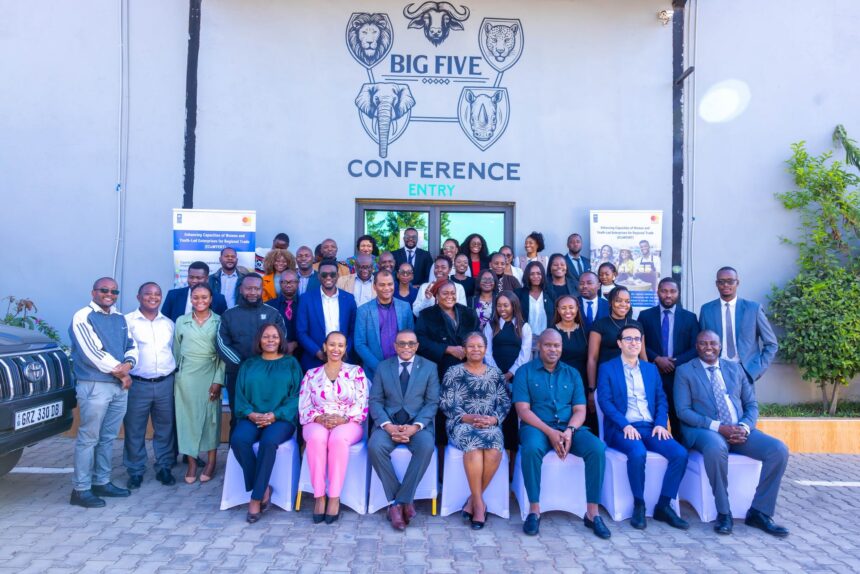
Zambia is taking significant steps to strengthen its participation in the African Continental Free Trade Area, commonly known as AfCFTA, through strategic partnerships aimed at improving institutional capacity and expanding economic opportunities. One of the latest initiatives is the National AfCFTA Institutional Strengthening Workshop, supported by the United Nations Development Programme through the Enhancing Capacities of Women and Youth-Led Enterprises for Regional Trade, or ECoWYERT, Program. The workshop brought together a wide range of stakeholders to improve collaboration and prepare Zambia for the successful implementation of the continent’s largest free trade agreement. By focusing on institutional readiness and practical skills development, the initiative seeks to ensure that Zambia is well positioned to benefit from increased regional trade. The workshop also reflects the country’s commitment to creating a more inclusive trade environment that supports sustainable economic growth.
The National AfCFTA Institutional Strengthening Workshop convened representatives from government institutions, the private sector, Business Support Organisations, financial institutions, customs authorities and youth representatives. This broad participation created an opportunity for key players within Zambia’s trade ecosystem to exchange ideas, strengthen partnerships and identify common priorities. Bringing these groups together is essential because successful implementation of AfCFTA depends on effective coordination between public institutions and private sector stakeholders. Participants were encouraged to share their experiences, discuss existing challenges and explore practical solutions that can improve Zambia’s competitiveness within regional markets. The inclusive nature of the workshop also ensured that the perspectives of young entrepreneurs and businesses were incorporated into discussions about the future of trade.
A key focus of the workshop was providing participants with practical training on critical areas that directly influence cross border trade. Sessions covered Trade in Goods, Rules of Origin, Trade Facilitation, Customs Administration, Digital Trade, the Pan-African Payment and Settlement System, commonly known as PAPSS, and the Protocol on Women and Youth in Trade. These topics are central to helping businesses understand how to access opportunities created under AfCFTA while complying with the required trade regulations. The training also equipped institutions with the knowledge needed to improve policy implementation, simplify trade procedures and reduce barriers that can limit business growth. By strengthening technical expertise across multiple sectors, the workshop is helping lay the foundation for a more efficient and competitive trading environment in Zambia.
Beyond knowledge sharing, participants worked together to identify practical actions that can strengthen Zambia’s overall trade ecosystem. Discussions focused on improving institutional coordination, enhancing customs efficiency, expanding the use of digital trade solutions and creating stronger support systems for businesses seeking to enter regional markets. Financial institutions also played an important role by exploring ways to improve access to financial services for entrepreneurs engaged in cross border trade. Business Support Organisations contributed valuable insights on the needs of small and medium sized enterprises, particularly those led by women and young people. These collaborative discussions are expected to contribute to practical reforms that will make it easier for businesses to take advantage of opportunities within the African Continental Free Trade Area.
The ECoWYERT Program places particular emphasis on empowering women and youth, recognizing their growing contribution to Zambia’s economy and entrepreneurial landscape. Many women and young entrepreneurs face barriers such as limited access to finance, market information, trade networks and institutional support. Through targeted capacity building and stronger institutional frameworks, the program aims to remove some of these obstacles and create a more level playing field. By promoting inclusive participation in regional trade, the initiative supports businesses that have the potential to generate employment, stimulate innovation and contribute to long term economic development. Expanding opportunities for these groups also strengthens Zambia’s ability to compete within an increasingly integrated African market.
The Pan-African Payment and Settlement System was another important area highlighted during the workshop because it has the potential to simplify trade transactions across African countries. PAPSS enables businesses to make and receive payments in local currencies, reducing the need for foreign currency conversions that can increase costs and delay transactions. Participants also explored how digital trade solutions can improve efficiency, reduce paperwork and expand access to regional markets for businesses of all sizes. These innovations are expected to play a vital role in making cross border trade more accessible, particularly for small enterprises with limited resources. By embracing digital transformation alongside institutional reforms, Zambia can strengthen its position within the rapidly evolving African trading landscape.
The National AfCFTA Institutional Strengthening Workshop demonstrates Zambia’s determination to build stronger institutions and create a supportive environment for regional trade under the African Continental Free Trade Area. Through the ECoWYERT Program, the United Nations Development Programme is helping equip institutions and stakeholders with the knowledge, skills and partnerships needed to unlock new economic opportunities. The workshop’s focus on practical training, institutional collaboration and inclusive participation reflects a long term vision for sustainable trade and economic development. By investing in stronger institutions today, Zambia is creating better conditions for women and youth led enterprises to compete, expand and access regional markets with greater confidence. As AfCFTA implementation continues to advance, initiatives such as this will remain essential in ensuring that the benefits of regional integration are shared across businesses, communities and future generations.