







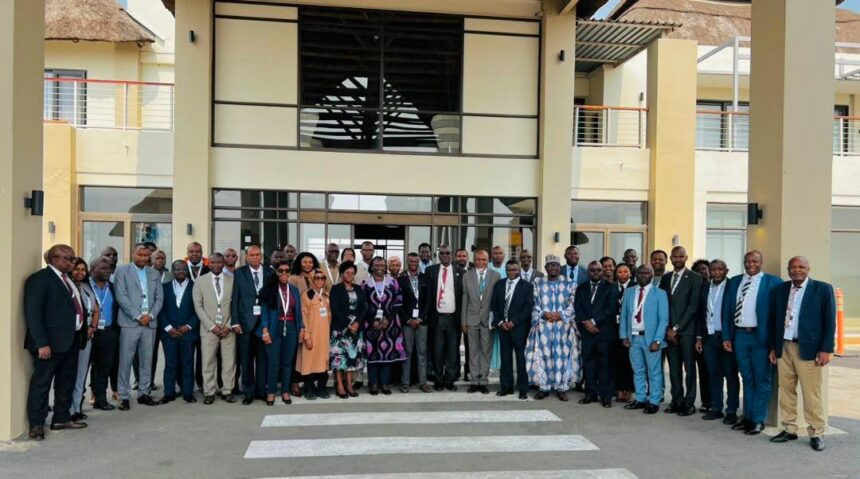
Zambia has hosted a continental validation workshop focused on strengthening how African countries monitor health progress, report results and improve accountability under the African Union Roadmap to 2030 and beyond. The meeting brings together key health stakeholders from across the continent at a time when African countries face increasingly complex health challenges and pressure on available funding. The workshop is intended to improve the way countries measure progress against major health commitments while ensuring that evidence and data inform decision-making. It also provides an opportunity for African Union Member States and regional institutions to agree on a practical approach to monitoring health outcomes across different countries and regions. Zambia’s hosting of the engagement highlights the importance of stronger continental cooperation in building resilient health systems and improving health outcomes for African populations.
Ministry of Health Permanent Secretary for Administration George Sinyangwe said the African Union Roadmap to 2030 and beyond provides an important continental framework for sustaining the AIDS response, strengthening health systems and advancing health security across Africa. He said the Roadmap comes at a critical time when countries are dealing with several overlapping health challenges that require coordinated and sustainable responses. These challenges include HIV, tuberculosis, malaria, neglected tropical diseases, non-communicable diseases, pandemics and other emerging health threats. African countries are also operating within a shrinking funding landscape, which makes it increasingly important to use available resources efficiently and strengthen national systems. The Roadmap therefore provides a framework for countries to move towards more coordinated health strategies that can respond to both existing diseases and new threats.
Dr Sinyangwe said the current health environment requires countries to move away from fragmented approaches towards stronger, integrated and resilient health systems. Fragmented programmes can create gaps in service delivery, monitoring and reporting when different health initiatives operate separately without sufficient coordination. An integrated approach allows countries to connect health programmes, information systems and planning processes more effectively. It can also help governments identify gaps in services and direct resources towards areas where they are most needed. Strengthening health systems in this way can improve the ability of countries to provide quality services while also preparing them to respond to public health emergencies.
The continental validation workshop has brought together African Union Member States, Regional Economic Communities, Regional Health Organisations, AU institutions and development partners. Their participation reflects the need for cooperation between national governments, regional bodies and development organisations when addressing health challenges that cross national borders. The participants are reviewing and validating the Monitoring, Reporting and Accountability Framework developed by the African Union Commission. The framework is intended to provide a common structure for assessing progress towards health commitments and ensuring that countries can report their achievements using clear and consistent measures. Bringing the different stakeholders together also gives countries an opportunity to identify practical challenges and make recommendations before the framework is implemented more widely.
A major expected outcome of the workshop is a practical, results-based monitoring framework with clear indicators, baselines, targets and reporting timelines. These elements are important because they give countries a structured way to determine whether health programmes are achieving their intended results. Clear indicators can show what is being measured, while baselines provide a starting point against which future progress can be assessed. Targets can help countries establish specific objectives, while reporting timelines create a consistent schedule for reviewing achievements and identifying areas that require attention. Together, these components can strengthen accountability by making it easier for governments and regional organisations to track commitments and demonstrate progress.
The framework is also expected to improve the quality and consistency of health data across the continent. Reliable data plays an important role in helping governments understand disease trends, identify vulnerable populations and determine whether health interventions are working. When countries use comparable information and reporting methods, regional and continental institutions can develop a clearer picture of health progress across Africa. Better data can also support evidence-based decisions about funding, health policies, service delivery and emergency preparedness. The focus on timely and comparable information is therefore central to strengthening accountability under the African Union Roadmap.
One of the key outcomes of the meeting is the emphasis on country ownership and the integration of the monitoring framework into existing national health information systems. Instead of creating separate reporting structures, countries are encouraged to use systems that already form part of their national health architecture. This approach could reduce the reporting burden on Member States, particularly where health officials already have to provide information to multiple programmes and institutions. Integrating the framework into existing systems can also make it easier for countries to maintain reporting processes over time. It creates an opportunity to strengthen national information systems while ensuring that continental monitoring requirements support rather than duplicate existing processes.
The emphasis on country ownership also recognises that African countries have different health systems, resources and priorities. A successful continental framework must provide common standards while allowing countries to apply those standards within their own national systems. Countries need to take responsibility for collecting accurate information, reporting results and using evidence to improve health policies and programmes. Regional institutions can then support coordination, comparison and accountability without taking ownership away from national health authorities. This balance can help make the African Union Roadmap more practical and sustainable as countries work towards 2030 and beyond.
The workshop takes place against a backdrop of growing pressure on African health systems. HIV, tuberculosis and malaria continue to require sustained attention, while non-communicable diseases are creating additional demands on health services. At the same time, pandemics and other emerging health threats have shown the importance of strong surveillance systems, rapid reporting and effective coordination between countries. Funding constraints make these challenges more difficult because governments and health partners must achieve more with limited resources. Strong monitoring and accountability can help countries understand where investments are producing results and where adjustments are needed.
Zambia’s role in hosting the continental validation workshop provides an important platform for African countries and their partners to strengthen cooperation around health monitoring and accountability. The discussions can help ensure that the African Union Roadmap to 2030 and beyond is supported by measurable commitments, reliable information and practical reporting systems. By focusing on country ownership and existing national health information systems, the proposed framework can reduce duplication while improving the quality of data available to decision-makers. The broader goal is to help African countries build stronger and more resilient health systems capable of responding to both long-standing diseases and emerging health threats. As the continent works towards its 2030 health objectives and looks beyond that deadline, stronger monitoring, accurate reporting and shared accountability will remain essential to turning continental commitments into measurable improvements in the health and wellbeing of African communities.