







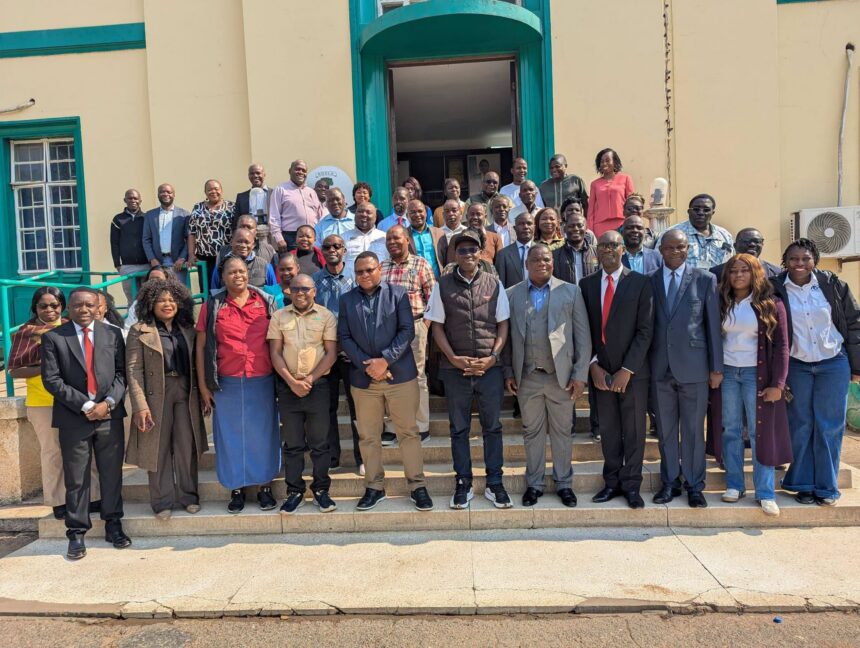
The Zambian Government has taken another significant step towards strengthening transparency, accountability and citizen participation through the continued implementation of the Access to Information (ATI) Act. Today, Information and Media Permanent Secretary Mr. Thabo Kawana officiated at a sensitisation meeting for civil servants in Ndola, where public officers were encouraged to embrace their responsibilities under the landmark legislation. The meeting forms part of the Government’s nationwide efforts to ensure that public institutions fully understand and effectively implement the Access to Information Act. By equipping civil servants with the necessary knowledge, the Government aims to improve access to public information while promoting greater openness across the Public Service. The initiative reflects Zambia’s commitment to building a more transparent and accountable system of governance that serves the interests of its citizens.
Addressing the gathering, Mr. Kawana called on civil servants to provide leadership in the effective implementation of the Access to Information Act. He described the legislation as a key pillar for strengthening transparency, accountability, citizen participation and good governance throughout the Public Service. According to the Permanent Secretary, the successful implementation of the Act depends largely on public officers who understand both the purpose of the law and their responsibilities under it. He emphasised that every public institution has an important role to play in ensuring citizens can access information in a timely and professional manner. This leadership, he explained, will help build stronger relationships between government institutions and the communities they serve.
Mr. Kawana observed that the success of the Access to Information Act will rely on a professional, well-informed and committed Public Service. He noted that civil servants must clearly understand their responsibility to facilitate access to information held by public institutions rather than creating unnecessary barriers. Public officers were encouraged to view access to information as a public service that strengthens democracy and improves government performance. By responding efficiently to information requests and proactively sharing relevant information, institutions can enhance their credibility and public confidence. The Permanent Secretary stressed that transparency should become a standard practice across all government departments.
During the meeting, civil servants were encouraged to integrate the provisions of the Access to Information Act into their daily operations. Mr. Kawana explained that embedding the principles of openness into routine administrative processes would promote institutional accountability while improving the quality of public service delivery. He urged officers to adopt practices that make information more accessible to citizens without unnecessary delays. This approach, he said, would strengthen public trust and demonstrate the Government’s commitment to serving the people with integrity. A culture of openness within the Public Service also supports better communication between government institutions and the public.
The Permanent Secretary described the Access to Information Act as a landmark achievement in Zambia’s governance framework. He noted that the legislation reinforces the principle that information held by public institutions should be made available whenever disclosure serves the public interest. The law also encourages greater citizen participation by ensuring that people have access to information needed to understand government decisions and national development programmes. Mr. Kawana explained that informed citizens are better equipped to contribute meaningfully to governance and hold public institutions accountable. This represents an important shift towards more inclusive and participatory governance in Zambia.
Providing background on the legislation, Mr. Kawana reminded participants that President Hakainde Hichilema assented to the Access to Information Bill on 22 December 2023. This milestone resulted in legislation that guarantees citizens the legal right to access information held by public institutions. He further explained that the Act officially came into force on 25 June 2025 after the Minister of Information and Media signed the Commencement Order. Since then, the Government has developed the necessary regulatory instruments to support effective implementation, including the Access to Information Regulations and Guidelines. These supporting measures provide clear direction on how public institutions should administer the law while ensuring consistency across government.
The Permanent Secretary also disclosed that the final stage of operationalising the Access to Information framework is currently underway. He explained that the Access to Information Rules are being finalised by the Ministry of Justice before they are signed by the Chief Justice. Once completed, these rules will provide additional legal and administrative guidance to strengthen implementation throughout the country. Finalising the remaining legal framework demonstrates the Government’s commitment to ensuring that the Act functions effectively in practice rather than existing only as legislation. This process is expected to further improve clarity for both public institutions and citizens seeking information.
One of the key messages delivered during the sensitisation meeting was the legal obligation placed on public institutions to proactively disclose information. Mr. Kawana emphasised that government agencies should not wait for citizens to submit formal requests before sharing information that is clearly in the public interest. Instead, institutions are expected to make important information readily available as part of their normal operations. This includes publishing information related to government programmes, budgets, public expenditure, development projects and essential public services. Proactive disclosure reduces administrative burdens while ensuring that citizens remain informed about issues that directly affect their daily lives.
To support this objective, the Ministry of Information and Media has launched a nationwide sensitisation programme aimed at public officers across Zambia. The programme is designed to provide comprehensive training on the Access to Information Act, its Regulations and Guidelines, as well as the responsibilities that come with implementing the legislation. Mr. Kawana explained that building awareness among civil servants is essential to ensuring consistent application of the law in every public institution. Well-trained public officers will be better prepared to manage information requests efficiently while promoting transparency in their respective organisations. The sensitisation campaign also encourages institutions to adopt best practices that strengthen public engagement.
As part of improving access to information, public institutions have been encouraged to maintain accessible and regularly updated communication platforms. Mr. Kawana called on government departments to make greater use of official websites, social media platforms and public notice boards to share timely and accurate information with citizens. These communication channels play an important role in ensuring that the public remains informed about government activities, policies and development initiatives. Regular updates also reduce the need for formal information requests by making key information available proactively. Effective communication strengthens accountability while improving public confidence in government institutions.
The Permanent Secretary concluded by clarifying that the Access to Information Act is intended to strengthen public trust rather than create unnecessary administrative procedures. By improving access to government information, the legislation empowers citizens to participate more meaningfully in national development and governance processes. It also reinforces transparency by ensuring that public institutions remain accountable for their decisions and the management of public resources. The sensitisation meeting in Ndola reflects the Government’s determination to build a Public Service that values openness, professionalism and responsiveness. As implementation of the Access to Information Act continues across Zambia, the country is taking important steps towards a governance system where transparency, accountability and informed citizen participation become the foundation of public administration.