




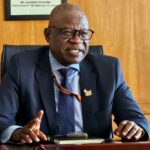



Zambia is taking part in the 2026 African Caucus Meetings in Banjul, The Gambia, from 6 to 8 July 2026, with Secretary to the Treasury Felix Nkulukusa representing the country at the high level gathering of African Governors of the International Monetary Fund and the World Bank Group. The meetings have brought together Finance Ministers, Central Bank Governors, senior government officials, development partners and leaders of major international financial institutions to discuss Africa’s economic future and financing priorities. Held under the theme, “Transforming Africa’s Economies Through Investment, Innovation and Inclusion,” the forum provides an important platform for African countries to coordinate their positions on global financial issues. Zambia’s participation reflects its commitment to contributing to continental policy discussions while sharing lessons from its ongoing economic reform programme. The gathering also offers an opportunity for African nations to strengthen cooperation as they respond to evolving global economic challenges.
Secretary to the Treasury Felix Nkulukusa is attending the meetings alongside Bank of Zambia Deputy Governor for Operations Dr. Francis Chipimo and Ministry of Finance Director for Economic Management Akapelwa Imwiko. The Zambian delegation is engaging with policymakers, development institutions and financial experts to discuss practical strategies for promoting sustainable growth across the continent. The programme includes meetings with senior officials from the International Monetary Fund, the World Bank Group, the African Development Bank Group, the African Union Commission, private sector representatives and development practitioners. The opening session featured addresses from World Bank Vice President for Western and Central Africa Ousmane Diagana, African Union Commission Deputy Chairperson Selma Malika Haddadi, African Development Bank President Dr. Sidi Ould Tah and President Adama Barrow of The Gambia. These discussions have highlighted the importance of stronger partnerships in addressing Africa’s development priorities and expanding access to financing.
The African Caucus Meetings are taking place at a time when many African countries are working to strengthen economic resilience while responding to changing global financial conditions. Governments across the continent are focusing on attracting investment, creating employment opportunities, accelerating industrial development and promoting deeper regional integration. Participants are examining ways to unlock financing that supports long term structural transformation while ensuring that economic growth remains inclusive and sustainable. Discussions are also addressing how African countries can improve their representation within international financial institutions and strengthen their influence during global policy negotiations. These issues are considered essential for building stronger and more resilient economies capable of supporting future generations.
Among the major topics being discussed are strengthening domestic revenue systems to restore fiscal space, deepening domestic capital markets and attracting greater private sector investment. Delegates are also examining strategies for empowering Micro, Small and Medium Enterprises, expanding regional value chains and making better use of Africa’s abundant natural resources to drive industrialization. Significant attention is being given to investments in energy, transport and digital infrastructure, which are viewed as critical foundations for long term economic development. Improved infrastructure has the potential to enhance trade, reduce business costs and increase productivity across multiple sectors. These priorities reflect a shared commitment to building diversified economies that are less vulnerable to external economic shocks.
As part of Zambia’s contribution to the meetings, Mr. Nkulukusa participated in a High Level Policy Dialogue organized by the African Center for Economic Transformation. The discussion focused on strengthening Africa’s collective voice in global financing and debt negotiations. Drawing from Zambia’s own experience with economic reforms and debt restructuring, the Secretary to the Treasury outlined four practical principles that African countries could adopt to strengthen their influence in international financial discussions. His presentation emphasized the importance of learning from national experiences while promoting greater cooperation among African nations. The recommendations were aimed at supporting responsible borrowing, sustainable financing and stronger regional coordination.
The first principle presented by Mr. Nkulukusa focused on transparency as the foundation of credibility in global financing discussions. He explained that hidden debts, undisclosed guarantees and unclear financial obligations have damaged confidence in some African economies and complicated debt restructuring efforts. According to his remarks, transparency should be viewed as a sovereign policy tool that strengthens national ownership and improves economic management rather than as a concession to creditors. He further argued that accountability should apply equally to borrowers, creditors and financial arrangers. By promoting openness across all parties, African countries can improve trust while strengthening their negotiating positions in international financial markets.
The second principle emphasized the importance of maintaining simple and sustainable debt structures. Mr. Nkulukusa observed that increasingly complex financing arrangements involving guarantees, collateralized lending and contingent liabilities often create long term challenges for debt management. Although these financial instruments may appear attractive when countries seek funding, they can complicate restructuring processes during periods of economic distress. He encouraged African governments to advocate for financing arrangements that are simpler, clearer and better aligned with long term sustainability. Greater cooperation among African countries, he noted, would allow valuable experiences to be shared while strengthening the continent’s collective ability to manage future financial challenges.
The Secretary to the Treasury also highlighted the need for greater utilization of multilateral balance sheets, particularly those managed by African institutions. He pointed out that commercial financing has become more expensive while bilateral financing opportunities have become increasingly limited. As a result, multilateral institutions have an important role to play through concessional lending, guarantees, risk sharing mechanisms and credit enhancement facilities. Mr. Nkulukusa argued that African financial institutions possess a deeper understanding of the continent’s development priorities and financing requirements than many external partners. He therefore called for these institutions to take a more central role in supporting African economies while working closely with the International Monetary Fund and the World Bank.
The fourth principle focused on strengthening domestic debt markets to improve long term economic resilience. Mr. Nkulukusa referred to Zambia’s decision to exclude domestic debt from its restructuring arrangements, describing the move as an important strategy for preserving financial stability and maintaining access to local financing. He explained that stronger domestic debt markets contribute to better debt management, longer borrowing maturities, broader investor participation and more credible fiscal frameworks. According to his remarks, Africa’s future resilience will depend heavily on the depth and credibility of its own financial markets. He concluded by encouraging African countries to become active participants in shaping global financing debates through stronger coordination and common policy principles based on transparency, simplicity, effective use of multilateral financing and stronger domestic financial systems.
Beyond financing and debt management, the African Caucus Meetings are also exploring ways to strengthen regional trade, improve access to finance, develop future ready skills and build stronger human capital across the continent. For Zambia, the meetings provide an important opportunity to share progress made through its economic reform programme while engaging potential investors and development partners. The government continues to pursue policies aimed at promoting macroeconomic stability, debt sustainability, economic diversification, private sector growth and job creation. These reforms are intended to strengthen investor confidence while positioning Zambia as a competitive destination for investment within Africa and beyond. The African Caucus Meetings will conclude on 8 July 2026 with the adoption of the Banjul Declaration, which is expected to outline common African priorities for engagement with the International Monetary Fund and the World Bank Group as the continent works toward sustainable and inclusive economic transformation.