







Zambia has reached another important milestone in strengthening its healthcare system with the successful completion of a major phase of health infrastructure investments under the PeaCe Programme. The commissioning of several new maternity facilities and related health projects reflects the country’s continued commitment to improving maternal, newborn, and child health services. These developments are expected to enhance access to quality healthcare for thousands of families, particularly those living in rural communities where access to maternity services has often been limited. The projects also demonstrate the power of international cooperation in addressing healthcare challenges and building stronger health systems. As Zambia continues to invest in healthcare, these new facilities represent hope for safer pregnancies, healthier births, and improved outcomes for mothers and children across Eastern Province.
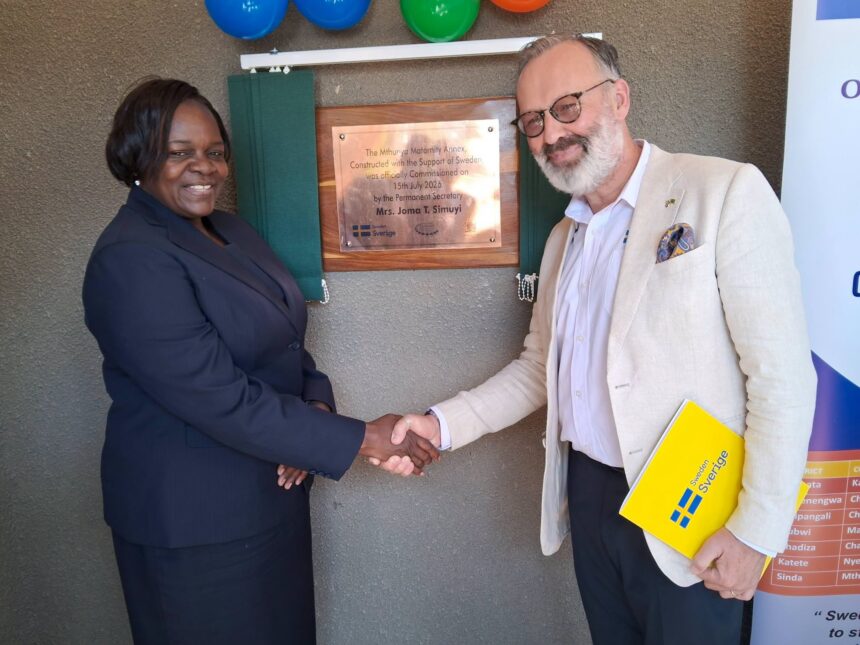
The commissioning ceremony celebrated not only the completion of critical infrastructure but also the strong partnerships that made these projects possible. Permanent Secretary Mrs. Joma T. Simuyi, together with her delegation, highlighted the significance of the occasion as a reflection of progress, collaboration, and a shared commitment to protecting the health and well-being of mothers and children. The successful implementation of this phase of the PeaCe Programme demonstrates what can be achieved when governments, development partners, and healthcare organizations work together toward common goals. Such partnerships continue to play an essential role in supporting Zambia’s efforts to strengthen its healthcare delivery systems. The event also reaffirmed the country’s determination to improve access to quality health services for every citizen regardless of where they live.
During the event, sincere appreciation was extended to the Government and people of Sweden for their continued support in implementing the PeaCe Programme. Through close collaboration with the Clinton Health Access Initiative, commonly known as CHAI, Sweden’s support has helped transform healthcare infrastructure in communities that need it most. This partnership has demonstrated that international cooperation can produce lasting improvements in healthcare when resources, expertise, and shared commitments are brought together. Investments made through the programme are already creating better environments for healthcare professionals to provide essential maternal and child health services. The collaboration also serves as an example of how global partnerships can contribute to achieving national healthcare priorities while improving the lives of ordinary citizens.
These health infrastructure investments directly support the Zambian Government’s vision of ensuring that every health facility is equipped with functional maternity infrastructure capable of delivering safe and reliable services. The projects also contribute toward improving access to reliable electricity, clean water supplies, better sanitation facilities, and qualified health personnel, all of which are essential for delivering quality healthcare. Modern maternity facilities provide safer environments for childbirth while reducing preventable complications that can threaten the lives of mothers and newborn babies. Improved infrastructure also enables healthcare workers to perform their duties more effectively and respond quickly during emergencies. These investments align closely with Zambia’s national development priorities and reinforce the government’s commitment to ensuring that every woman has access to safe, dignified, and quality maternity care.
Several important projects have now been officially commissioned across Eastern Province under the PeaCe Programme. The completed developments include a new maternity annex at Kayeka Rural Health Centre in Chipata District, a mothers’ shelter at Chizenje Rural Health Centre in Kasenengwa District, and another maternity annex at Chakoloma Rural Health Centre in Chipangali District. Additional facilities include a mothers’ shelter at Lundazi District Hospital in Lundazi District, a mothers’ shelter at Munyukwa Rural Health Centre in Chasefu District, a maternity annex at Chadiza Rural Health Centre in Chadiza District, and another maternity annex at Mthunya Rural Health Centre in Sinda District. The programme also delivered a borehole installation at Maumba Rural Health Centre in Vubwi District and completed a maternity annex at Nyembe Rural Health Centre in Katete District, ensuring that multiple communities benefit from improved healthcare infrastructure.
Each of these projects addresses important healthcare needs within its respective community. Maternity annexes provide additional space for antenatal care, labour, delivery, and postnatal services, allowing healthcare workers to offer better care in safer environments. Mothers’ shelters play an equally important role by providing accommodation for expectant mothers who live far from healthcare facilities, reducing the risk of delayed access to skilled medical assistance during labour. The installation of a reliable borehole at Maumba Rural Health Centre ensures that healthcare providers have access to clean water, which is essential for infection prevention, sanitation, and overall patient safety. Together, these investments strengthen healthcare delivery while improving the quality of services available to rural populations.
According to government estimates, these completed health infrastructure projects are expected to benefit approximately 10,000 mothers every year across the communities served by these facilities. This represents a significant improvement in access to maternal healthcare for thousands of women who previously faced long journeys or inadequate facilities when seeking medical assistance. Better access to quality maternity services can contribute to lower maternal and infant mortality rates while improving the overall health of families. The projects also help create healthier communities by ensuring that mothers receive appropriate care throughout pregnancy, childbirth, and the postnatal period. These long-term benefits will extend beyond individual patients by strengthening confidence in Zambia’s public healthcare system.
The successful completion and commissioning of these health infrastructure projects marks another important step in Zambia’s ongoing efforts to improve healthcare services across the country. Supported through the PeaCe Programme and made possible by the partnership between the Government of Zambia, the Government of Sweden, and the Clinton Health Access Initiative, these investments reflect a shared commitment to improving maternal, newborn, and child health. The new maternity annexes, mothers’ shelters, and supporting infrastructure will provide safer and more accessible healthcare services for thousands of families throughout Eastern Province. As these facilities begin serving their communities, they will contribute to stronger health systems and better healthcare outcomes for future generations. The commissioning ceremony stands as a reminder that sustained investment, strong partnerships, and a shared vision can create meaningful improvements in the lives of mothers, children, and communities across Zambia.