






Zambia continues to make significant progress in transforming its healthcare system by investing in specialised medical services, modern hospital infrastructure and advanced healthcare technology. These efforts form part of the government’s broader commitment to improving access to high-quality healthcare for citizens across the country. As the demand for specialised treatment continues to grow, strengthening hospitals and equipping them with modern medical equipment has become a national priority. The ongoing improvements are designed to reduce the need for patients to seek treatment outside the country while ensuring that more complex medical conditions can be managed locally. By expanding specialised healthcare services, Zambia is laying the foundation for a stronger, more efficient and more accessible healthcare system.
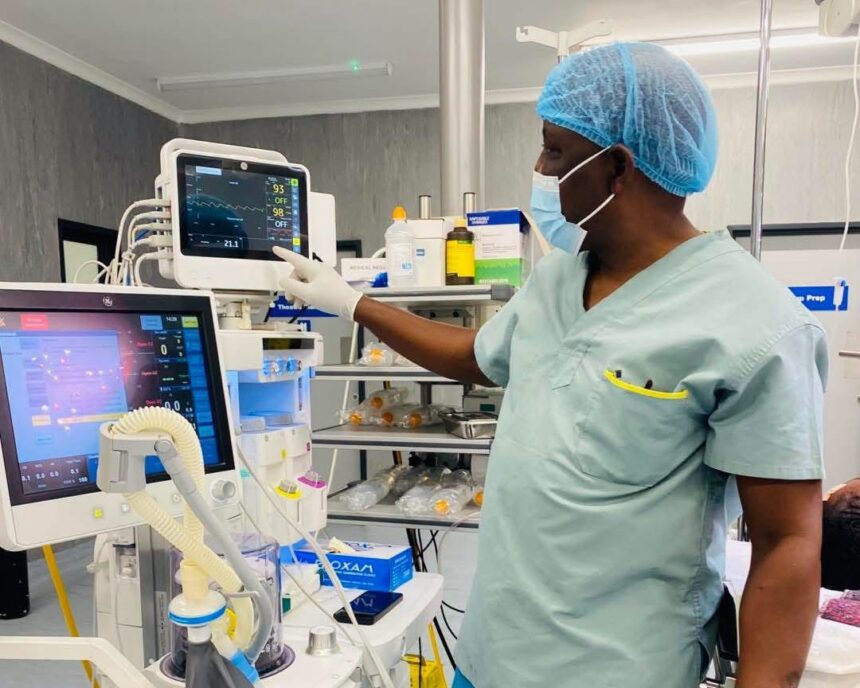
One of the most notable achievements in this transformation has been the upgrading of nearly 55 operating theatres across the country. Modern operating theatres are essential for delivering safe surgical procedures, reducing complications and improving patient outcomes. The upgrades include improvements to surgical environments, installation of modern medical equipment and enhanced facilities that allow healthcare professionals to perform a wider range of procedures. Better-equipped operating theatres also help reduce waiting times for surgeries by increasing the capacity of hospitals to serve more patients. These improvements are expected to benefit thousands of Zambians who require surgical care each year.
The investment in specialised healthcare extends beyond physical infrastructure. Modern medical technology plays a critical role in improving diagnosis, treatment and patient monitoring. Advanced imaging equipment, surgical tools and other specialised medical devices enable healthcare workers to detect illnesses earlier and perform more precise medical procedures. These technologies contribute to better treatment outcomes while supporting healthcare professionals in delivering efficient and effective care. As hospitals continue to adopt new technologies, patients can access higher-quality services closer to their homes, reducing the financial and emotional burden associated with travelling long distances for specialised treatment.
Strengthening specialised healthcare also supports the development of Zambia’s healthcare workforce. Modern hospitals provide healthcare professionals with opportunities to expand their skills by working with advanced medical equipment and performing more complex procedures. Doctors, surgeons, nurses and other healthcare specialists benefit from improved working environments that encourage professional growth and continuous learning. Better facilities can also help attract and retain skilled healthcare workers, particularly in specialised fields where expertise is essential. Investing in both infrastructure and human resources ensures that improvements in healthcare services remain sustainable over the long term.
The upgrading of operating theatres contributes directly to patient safety by creating environments that meet higher medical standards. Modern surgical facilities are designed to reduce the risk of infections, improve sterilisation processes and provide healthcare teams with the equipment needed to perform procedures safely. Patients undergoing surgery can benefit from improved surgical techniques, better monitoring during operations and more efficient post-operative care. These enhancements not only improve survival rates but also contribute to faster recovery and shorter hospital stays. Safe surgical care remains a critical component of a strong healthcare system, particularly as the demand for specialised medical services continues to increase.
Improved specialised healthcare services also have positive economic and social benefits. When more complex medical treatments are available within Zambia, families spend less on travelling abroad or to distant healthcare facilities for specialised care. Keeping patients within the country’s healthcare system helps reduce healthcare costs while strengthening confidence in local medical institutions. Expanded surgical capacity also enables hospitals to respond more effectively to emergencies, trauma cases and other life-threatening conditions that require immediate intervention. These investments contribute to healthier communities and a more productive population.
The government’s commitment to transforming specialised healthcare reflects a long-term vision for improving public health across Zambia. Expanding access to advanced medical services helps address both current healthcare challenges and the growing needs of the country’s population. Continued investment in infrastructure, medical technology and healthcare professionals will ensure that hospitals remain capable of delivering high-quality services for years to come. As more facilities receive upgrades and additional equipment, patients throughout the country are expected to benefit from faster diagnoses, improved treatment options and better overall healthcare experiences.
The continued transformation of specialised healthcare in Zambia demonstrates a clear commitment to building a stronger and more resilient healthcare system. The upgrading of nearly 55 operating theatres represents a major milestone in improving the country’s capacity to deliver safe, high-quality surgical care. Combined with ongoing investments in modern infrastructure and advanced medical technology, these improvements are helping to expand access to specialised healthcare while enhancing patient outcomes. As Zambia continues to strengthen its healthcare sector, these strategic investments will play an important role in improving the quality of life for citizens and ensuring that more people receive the specialised medical care they need within their own country.