






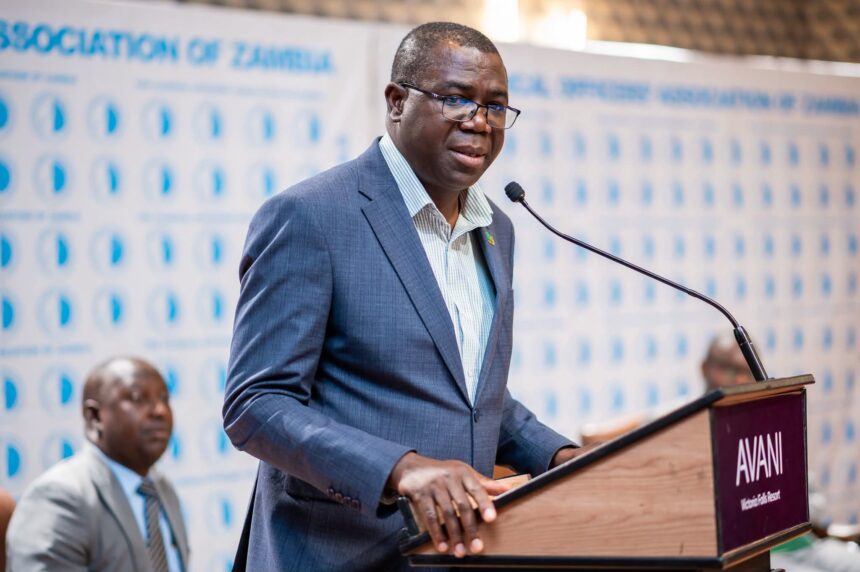
Zambia’s Government has reaffirmed its commitment to strengthening the role of clinical officers in transforming the country’s health system and improving access to quality healthcare services. Minister of Health Professor Roma Chilengi, MP, said clinical officers remain essential to the delivery of medical services, particularly in rural and underserved communities where access to doctors and specialist care can be limited. Speaking at the Clinical Officers Association of Zambia Annual General Meeting in Livingstone, the Minister highlighted the need to invest in professional development, improve working conditions and expand opportunities for specialised training. He stressed that clinical officers play a vital role in diagnosing and treating illnesses, preventing diseases and helping patients manage both acute and chronic health conditions. The Government’s renewed focus on this professional group reflects the importance of strengthening the healthcare workforce to meet the needs of communities across Zambia.
Clinical officers occupy an important position in Zambia’s healthcare system because they provide essential medical services in both urban and rural areas. In some communities, they serve as the first point of contact for patients seeking diagnosis, treatment and advice about their health. In areas where medical specialists are not readily available, their skills can be particularly important in ensuring that patients receive timely care. Their responsibilities include assessing symptoms, identifying illnesses, prescribing appropriate treatment within their scope of practice and referring patients when more advanced care is required. They also contribute to health education, disease prevention and the management of long-term conditions. Strengthening their capacity can therefore help improve access to healthcare and support more effective service delivery across the country.
Professor Chilengi emphasised that the contribution of clinical officers extends beyond routine consultations and treatment. Their work can include performing life-saving procedures, supporting emergency care and helping manage conditions that require continued medical attention. They also play a role in preventing disease through patient education, early identification of health problems and participation in community health programmes. These responsibilities are particularly important in facilities that serve large populations with limited medical resources. Ensuring that clinical officers have the appropriate training, equipment and professional support can help them deliver safer and more effective care. The Minister’s remarks highlighted the need to recognise their contribution as part of broader efforts to strengthen Zambia’s health system.
Primary healthcare was a central part of the Minister’s address, particularly in relation to the goal of Universal Health Coverage. Universal Health Coverage means that people should be able to access the health services they need without suffering financial hardship because of the cost of care. Achieving this goal requires a health system that can provide preventive services, diagnosis, treatment, rehabilitation and other essential interventions. Clinical officers contribute to this objective by bringing healthcare closer to communities and helping patients access services before their conditions become more serious. Their presence in primary healthcare facilities can also support early referrals and continuity of treatment. Professor Chilengi stressed that strengthening this workforce is important to expanding access to quality healthcare for all Zambians.
The Minister also called for stronger legal and regulatory frameworks to support clinical officers and improve the overall quality of healthcare delivery. Clear regulations help define professional responsibilities, establish standards of practice and promote accountability among healthcare workers. They also help protect patients by setting expectations for safe, ethical and competent care. Professor Chilengi said the Government remained committed to working with relevant stakeholders to strengthen policies and legislation that promote quality healthcare and safeguard patients’ rights. Such efforts require cooperation between the Ministry of Health, professional associations, training institutions and other relevant bodies. A clear regulatory environment can help clinical officers understand their responsibilities while supporting public confidence in the services they provide.
Expanding specialised training opportunities was another major priority raised at the meeting in Livingstone. Professor Chilengi highlighted the importance of equipping clinical officers with advanced competencies in areas such as surgery, anaesthesia, paediatrics and ophthalmology. These fields address important healthcare needs, including surgical conditions, safe anaesthesia, childhood illnesses and diseases affecting vision. Specialised training can help qualified clinical officers provide services within their approved scope of practice and strengthen the capacity of facilities that have limited access to specialist personnel. However, training alone is not enough to improve patient outcomes. Clinical officers also need suitable supervision, clear professional standards, reliable referral systems and access to the equipment and medicines required to perform their duties safely.
Developing specialised skills could be particularly valuable in underserved communities, where patients may face long journeys to reach facilities offering advanced medical services. When appropriately trained personnel are available closer to where people live, some conditions may be assessed and treated earlier. This can help reduce delays in care, although the extent of the benefit depends on staffing levels, equipment, medicines and the availability of referral facilities. Strengthening local healthcare capacity also requires investment in infrastructure and effective coordination between primary, secondary and tertiary healthcare services. The Ministry of Health’s focus on specialised training therefore forms part of a wider need to improve the availability and quality of medical care. Better access to skilled healthcare workers can support more equitable services for people living in different parts of Zambia.
Professor Chilengi further underscored the importance of improving working conditions and career progression for clinical officers. Healthcare workers need clear professional development pathways that allow them to build experience, pursue additional qualifications and take on greater responsibilities where appropriate. Career progression can also support staff motivation and help health facilities retain experienced personnel. Professional recognition is equally important because it acknowledges the responsibilities clinical officers carry in providing essential services. The Minister also highlighted workplace safety, an issue that affects the ability of healthcare workers to perform their duties effectively. Addressing these areas requires coordinated planning, appropriate policies and sustained attention to the needs of the health workforce.
Access to essential medicines, medical equipment and other resources was another issue identified as necessary for effective healthcare delivery. Even skilled healthcare workers face limitations when facilities lack the supplies needed to assess patients, manage illnesses or carry out medical procedures. Reliable stocks of essential medicines can support timely treatment and help patients follow prescribed care plans. Functional equipment is also important for diagnosis, monitoring and safe clinical interventions. Improving access to these resources requires effective procurement, distribution, maintenance and stock management across health facilities. Strengthening clinical officers’ professional capacity must therefore go hand in hand with ensuring that they have the tools needed to serve patients.
The Minister reaffirmed the Ministry of Health’s commitment to working closely with the Clinical Officers Association of Zambia to advance professional development and improve healthcare services. Professional associations can help communicate the experiences of healthcare workers, identify challenges in clinical practice and contribute to discussions on policies affecting service delivery. Their involvement can also support continuing professional development and encourage members to maintain appropriate standards of practice. Regular engagement between the Government and the association can help identify practical solutions to staffing, training and resource challenges. Such cooperation is important because health policies are more likely to address workplace realities when healthcare professionals have meaningful opportunities to contribute. Professor Chilengi stressed that the insights of clinical officers should remain part of efforts to shape health policies and strengthen the country’s healthcare system.
Meanwhile, Clinical Officers Association of Zambia President Dr. Jones Neba called for a collective national commitment to building a stronger and more effective health system. He noted that healthcare transformation requires the participation of healthcare workers, policymakers and citizens rather than the efforts of a single group. Clinical officers, he said, would continue to provide frontline services while contributing to training, leadership and innovation within the health sector. Their responsibilities place them in a position to identify service delivery challenges and contribute practical ideas for improving patient care. Dr. Neba also emphasised the importance of unity and professional pride in advancing the interests of both healthcare workers and the people they serve. His remarks reinforced the need for shared responsibility in addressing the country’s healthcare needs.
Dr. Neba further reaffirmed the association’s commitment to working with the Government and other stakeholders to strengthen the role of clinical officers in Zambia’s health system. This cooperation can help align professional development priorities with the wider needs of healthcare facilities and communities. It can also support discussions on improving training standards, working conditions and opportunities for clinical officers to develop specialised skills. For the association, maintaining constructive engagement with the Ministry of Health is important to ensuring that the concerns and experiences of its members inform decisions affecting their profession. For the Government, collaboration with professional bodies can provide practical insight into the challenges healthcare workers encounter while treating patients. A shared approach can help build a health system that responds more effectively to the needs of the population.
The discussions at the Clinical Officers Association of Zambia Annual General Meeting in Livingstone highlighted the importance of investing in the people who deliver healthcare services across the country. Strengthening clinical officers through specialised training, improved working conditions, clear professional regulations and better access to medical resources can support safer and more effective patient care. These measures also align with the broader objective of expanding access to essential health services and advancing Universal Health Coverage in Zambia. However, lasting improvements will depend on sustained investment, effective implementation and cooperation among government institutions, professional associations and healthcare workers. Clinical officers will remain important to these efforts, particularly in communities where they provide the first point of contact for patients.
Zambia’s commitment to strengthening the clinical officer profession reflects the need for a capable, well-supported and accountable healthcare workforce. Professor Roma Chilengi’s remarks underscored the importance of recognising clinical officers as key contributors to healthcare delivery, while Dr. Jones Neba emphasised unity and shared responsibility in transforming the sector. Expanding specialised training, improving career opportunities and ensuring access to essential medicines and equipment can help clinical officers meet the demands of their work. Stronger collaboration between the Government and the Clinical Officers Association of Zambia will also be important in turning policy commitments into practical improvements. Ultimately, the success of these efforts will be measured by whether patients across Zambia receive timely, safe and quality healthcare, regardless of where they live or their financial circumstances.