







The Government of Zambia has praised the long-standing partnership between Zambia and France, highlighting the important role the relationship continues to play in supporting the country’s development priorities. One of the latest milestones in this cooperation is France’s financial grant of 4 million Euros to upgrade water infrastructure at Mulonga Water Supply and Sanitation Company. The investment reflects the shared commitment of both nations to improving access to clean water and sanitation while strengthening public services that directly benefit communities. The funding is part of a broader collaboration aimed at modernizing water infrastructure, particularly for residents in parts of Copperbelt Province. As Zambia continues to pursue sustainable development, partnerships such as this demonstrate the value of international cooperation in addressing critical national needs.
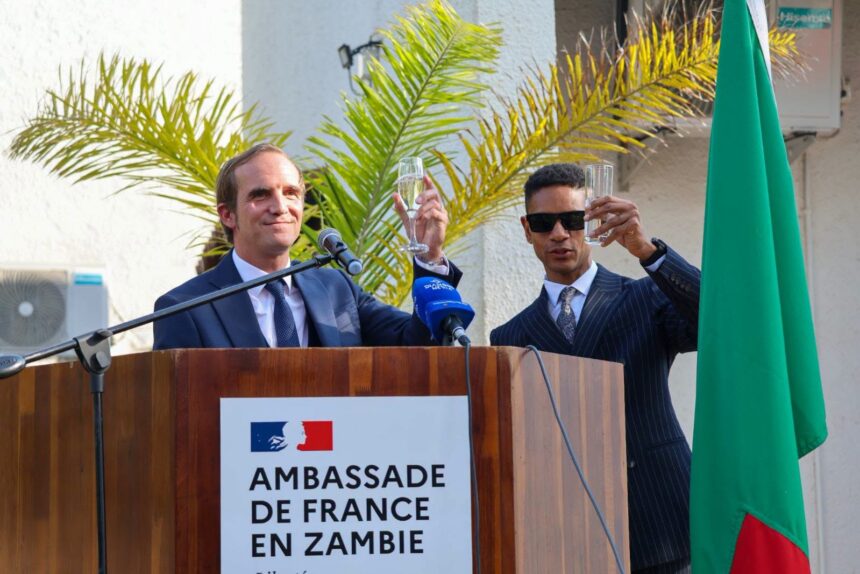
The announcement was made during celebrations marking the French National Day in Lusaka, where Ministry of Local Government and Rural Development Permanent Secretary for Administration, Dr. Gabriel Pollen, expressed the Zambian government’s appreciation for France’s continued support. Dr. Pollen described the relationship between Zambia and France as one built on mutual respect, constructive engagement and a shared commitment to improving the lives of citizens. He noted that the partnership has continued to grow over the years through cooperation across several sectors that contribute to national development. According to Dr. Pollen, the latest financial grant represents another important step in strengthening these bilateral relations. He emphasized that meaningful international partnerships are those that advance the aspirations and well-being of the people they serve.
The 4 million Euro grant allocated to Mulonga Water Supply and Sanitation Company is expected to significantly improve water security and sanitation services in the targeted communities. Reliable access to clean water remains one of the most important foundations for public health, economic growth and social development. Upgrading water infrastructure will help increase service coverage while improving the quality and reliability of water supplied to households, businesses and public institutions. Better sanitation systems will also contribute to reducing health risks associated with poor sanitation and inadequate water services. These improvements are expected to enhance the quality of life for many residents across the Copperbelt Province.
Dr. Pollen stated that the investment would strengthen Zambia’s efforts to expand access to clean water while modernizing essential infrastructure. He pointed out that water infrastructure plays a critical role in supporting both urban development and economic activity. Improved water systems not only benefit households but also provide reliable services for industries, schools, healthcare facilities and other institutions that depend on consistent water supplies. By investing in modern infrastructure, Zambia is positioning itself to better meet the demands of a growing population while supporting sustainable development goals. Such projects also help build resilience against future challenges related to water availability and environmental change.
Beyond the water sector, Dr. Pollen acknowledged France’s broader financial support to Zambia through direct budget assistance provided to the Ministry of Finance and National Planning. He explained that this support has become an important catalyst for strengthening public financial management and promoting greater transparency in government operations. Strong financial management systems help ensure that public resources are used efficiently and responsibly while improving accountability. According to the Permanent Secretary, enhanced transparency contributes to stronger institutions capable of delivering quality public services. These reforms also create greater confidence among development partners, investors and the wider business community.
The Permanent Secretary further noted that France’s support contributes to Zambia’s broader macroeconomic resilience during a period of ongoing structural reforms. Stable public finances and effective governance are essential for creating an environment that attracts both domestic and international investment. Investors are more likely to commit resources to countries that demonstrate sound financial management, transparent institutions and predictable economic policies. Dr. Pollen emphasized that strengthened institutional frameworks support long-term economic stability while creating opportunities for sustainable growth. These efforts align with Zambia’s broader development agenda aimed at improving economic performance and expanding opportunities for its citizens.
During his remarks, Dr. Pollen also highlighted the importance of diplomacy in promoting peace, trust and international cooperation. He described diplomacy as one of humanity’s most valuable tools for resolving differences, strengthening relationships and creating new socio-economic opportunities in an increasingly interconnected world. As Zambia continues implementing structural reforms and pursuing sustainable economic growth, the government remains committed to expanding cooperation with trusted international partners such as France. Continued collaboration in areas including infrastructure, governance, economic development and public service delivery is expected to deliver long-term benefits for both nations. The strong relationship between Zambia and France continues to demonstrate how international partnerships can produce meaningful development outcomes.
Speaking at the same event, French Ambassador to Zambia Thomas Rossignol praised Zambia’s investment climate and highlighted several factors that make the country an attractive destination for investors. He pointed to Zambia’s strategic geographical location, abundant natural resources and stable political environment as key strengths that continue to attract international interest. These advantages position the country as an important investment destination within the Southern African region. The ambassador’s remarks reflected growing confidence in Zambia’s economic potential and reinforced France’s commitment to maintaining strong bilateral ties. His comments also underscored the opportunities that exist for expanding trade, investment and development cooperation between the two countries.
The continued partnership between Zambia and France represents an important example of how international cooperation can support national development goals while strengthening long-term diplomatic relations. France’s 4 million Euro grant for upgrading water infrastructure at Mulonga Water Supply and Sanitation Company will help improve clean water access, sanitation services and water security for communities in Copperbelt Province. Combined with broader financial and institutional support, the partnership contributes to stronger governance, economic resilience and sustainable development. As Zambia advances its reform agenda and invests in essential public infrastructure, collaboration with development partners like France will remain an important driver of progress. The enduring friendship between the two nations continues to create opportunities that improve lives, strengthen institutions and support a more prosperous future for Zambia.