




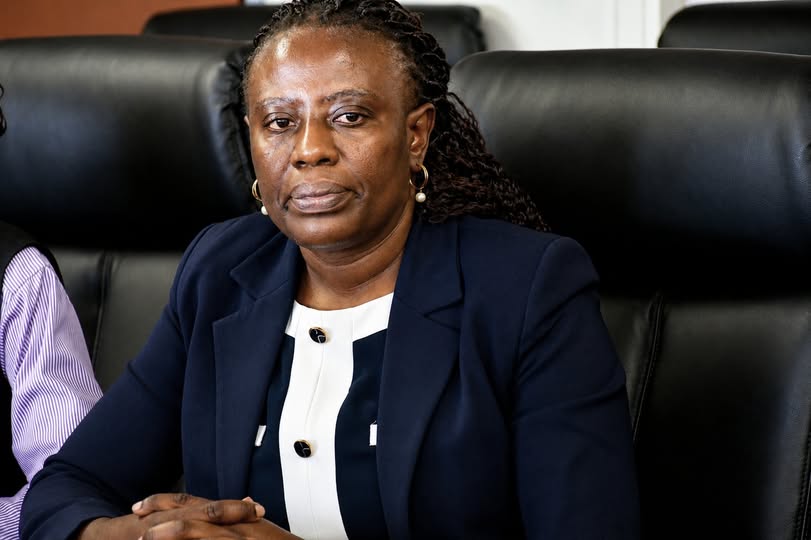
The Republic of Zambia is strengthening its international development engagement through active participation at the Fourth United Nations Office of the High Representative for the Least Developed Countries, Landlocked Developing Countries and Small Island Developing States (UN-OHRLLS) Future Forum in Helsinki, Finland. The country is represented by the Permanent Secretary for Planning and Administration at the Ministry of Finance and National Planning, Ms Prudence Kaoma. The high level forum, held from 19 to 21 May 2026, focuses on empowering young people in Least Developed Countries through education, innovation and digital transformation. It brings together governments, development institutions, researchers, private sector leaders and international partners to shape strategies for inclusive economic growth. The discussions aim to address structural challenges that limit youth participation in modern economies. The forum provides a platform for countries like Zambia to strengthen partnerships that support long term development priorities.
The event was officially opened by the President of Finland, Alexander Stubb, who reaffirmed Finland’s commitment to international cooperation and innovation driven development. Senior Finnish government officials also played a key role in the opening sessions, including Minister for Foreign Trade and Development Ville Tavio and Minister for Foreign Affairs Elina Valtonen. Their participation reflects Finland’s focus on building partnerships with developing countries through trade, technology and sustainable development cooperation. The presence of high level leadership set the tone for discussions centred on practical solutions for youth empowerment. The forum is designed to move beyond policy dialogue and encourage actionable collaboration between countries and institutions. It also highlights the importance of shared responsibility in addressing global development inequalities.
As part of the programme, Ms Kaoma held strategic engagements with Finnish government officials and technology sector leaders. These discussions focused on expanding investment opportunities and strengthening cooperation in innovation ecosystems. Key areas included digital transformation, skills development and private sector participation in economic growth initiatives. The meetings also explored how Zambia can benefit from Finland’s experience in technology driven development and entrepreneurship support systems. These interactions are aimed at building long term partnerships that can support job creation and economic diversification in Zambia. The engagement reflects Zambia’s commitment to positioning itself within global innovation networks.
Ms Kaoma also held bilateral discussions with Finland’s Minister for Trade and Development, focusing on strengthening cooperation in youth empowerment and economic transformation. The talks explored practical areas such as skills training, digital economy readiness and innovation support frameworks. Both sides discussed how structured partnerships can help improve access to technology and create opportunities for young entrepreneurs. The discussions also highlighted the role of private sector involvement in supporting sustainable development goals. Zambia emphasized the importance of building systems that enable young people to participate in emerging industries. The engagement reinforced the need for coordinated efforts between governments and development partners.
During the forum sessions, Ms Kaoma contributed as a discussant on panels addressing policy and financing frameworks for youth development. She highlighted Zambia’s ongoing reforms aimed at strengthening macroeconomic stability and improving public financial management systems. She also pointed to efforts to deepen digital transformation and create a more predictable investment environment. These reforms are designed to support innovation, entrepreneurship and job creation among young people. Her contributions emphasized the importance of aligning national planning with changing labour market demands. The discussions underscored the need for governments to prepare youth for economies increasingly shaped by digital technologies and artificial intelligence.
Ms Kaoma further stressed the importance of aligning education and skills development systems with future economic needs. She noted that technological change is reshaping global labour markets at a rapid pace. She called for policies that equip young people with practical skills relevant to digital economies and innovation driven sectors. The discussions also highlighted the importance of strengthening both South South and North South cooperation. These partnerships are seen as essential for mobilizing investment, enabling technology transfer and expanding skills development opportunities. The focus remains on ensuring that young people are not left behind in global economic transformation.
The LDC Future Forum is part of a wider international platform coordinated by UN-OHRLLS in collaboration with the Government of Finland and institutions such as the OECD Development Centre and UNU-WIDER. The 2026 edition is themed around transforming Least Developed Countries through youth empowerment, innovation and inclusive growth. It provides a space for countries to share experiences and identify practical solutions to development challenges. Zambia’s participation reflects its commitment to engaging in global policy dialogue while advancing national development goals. The forum also strengthens collaboration between developed and developing countries on shared priorities.
Zambia’s Ministry of Finance and National Planning notes that participation in the forum aligns with the government’s broader economic reform agenda. This agenda focuses on expanding opportunities for young people and strengthening human capital development. It also supports innovation led growth and improved competitiveness in the global digital economy. The engagement in Helsinki reinforces Zambia’s intention to build a more inclusive and resilient economy. It also highlights the importance of international cooperation in achieving sustainable development outcomes.