





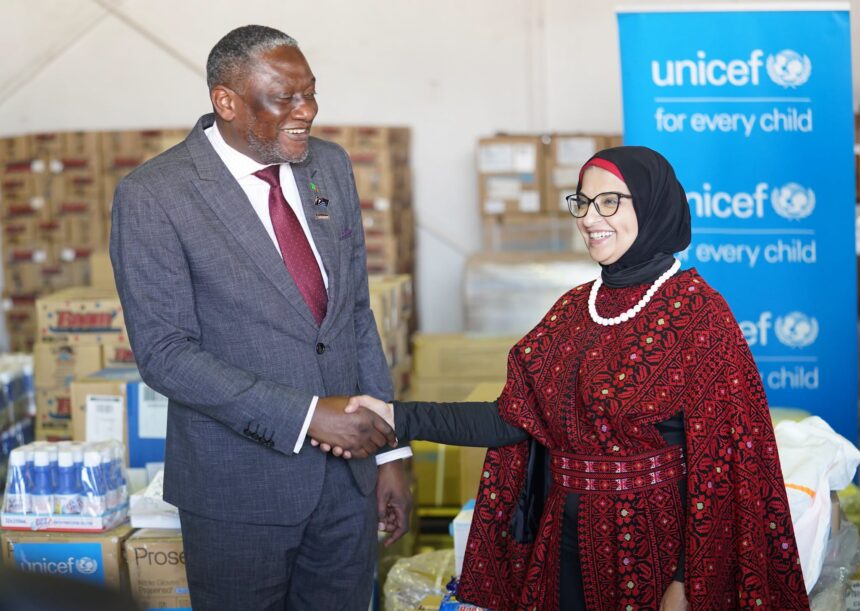
UNICEF Zambia has handed over water, sanitation and hygiene (WASH) and infection prevention supplies worth more than ZMW 2 million to the Ministry of Health as part of ongoing efforts to strengthen the country’s preparedness for potential public health emergencies. The donation is aimed at protecting frontline health workers, children and communities by ensuring that healthcare facilities have the essential resources needed to respond quickly and effectively to disease outbreaks. Although Zambia has not recorded any cases of Ebola, the government and its development partners continue to prioritize preparedness as a critical component of national health security. Investing in preventive measures before an outbreak occurs helps reduce risks, strengthen healthcare systems and improve emergency response capabilities. The latest contribution from UNICEF demonstrates the importance of proactive planning in safeguarding public health and protecting vulnerable populations.
The supplies handed over include a wide range of essential protective equipment and infection prevention materials designed to support healthcare workers and health facilities across the country. Among the donated items are gloves, gowns, masks, face shields and protective boots that provide frontline personnel with the equipment needed to safely care for patients while minimizing the risk of infection. The package also includes hand hygiene and disinfection supplies, equipment to support safe isolation and triage of suspected cases, water, sanitation and hygiene materials and Information, Education and Communication materials. These resources are critical for maintaining high standards of infection prevention and control in healthcare settings, particularly during disease outbreaks. By equipping healthcare workers with the necessary protective gear and educational resources, Zambia is strengthening its ability to respond to emerging health threats while protecting those who serve on the front lines.
Water, sanitation and hygiene remain essential pillars of effective disease prevention and public health management. Access to clean water, proper sanitation facilities and good hygiene practices significantly reduces the spread of infectious diseases within healthcare facilities and communities. During outbreaks of highly infectious diseases such as Viral Haemorrhagic Fevers, maintaining strict hygiene standards becomes even more important in protecting healthcare workers, patients and the general public. The inclusion of WASH supplies in the UNICEF donation highlights the organization’s commitment to supporting comprehensive disease prevention strategies rather than focusing solely on emergency treatment. Strengthening WASH systems also contributes to improved healthcare delivery beyond emergency situations by promoting safer environments for patients and medical personnel.
Infection prevention and control measures are among the most effective tools for reducing the spread of infectious diseases. Protective equipment such as gloves, gowns, masks and face shields helps reduce the risk of exposure for healthcare workers who are often the first to come into contact with suspected cases. Safe isolation and triage equipment also enables health facilities to identify and manage potential cases while minimizing the risk of transmission within hospitals and clinics. Effective infection prevention protects both patients and healthcare professionals while ensuring that health services continue operating during periods of increased demand. Investments in these resources strengthen the resilience of Zambia’s healthcare system and improve its readiness to manage future public health emergencies.
Speaking during the handover, UNICEF Representative Dr. Saja Farooq Abdullah emphasized the importance of preparedness in saving lives and strengthening health systems. She noted that investing in preventive measures before outbreaks occur allows countries to respond more quickly and effectively when health emergencies arise. According to Dr. Abdullah, the donation is intended to protect health workers, children and communities while improving Zambia’s overall capacity to manage potential disease outbreaks. Her remarks reflect UNICEF’s long standing commitment to supporting countries in building resilient healthcare systems capable of responding to both current and future health challenges. Early investment in preparedness reduces the impact of outbreaks and contributes to better health outcomes for entire communities.
The Ministry of Health welcomed the donation as a valuable contribution to Zambia’s ongoing efforts to strengthen disease surveillance and emergency preparedness. Permanent Secretary for Technical Services, Dr. Kennedy Lishimpi, described the support as timely and important in enhancing the country’s ability to prevent, identify and respond to Viral Haemorrhagic Fevers, including Ebola. Although Zambia has not reported any confirmed Ebola cases, health authorities continue to monitor regional developments and maintain strong surveillance systems to detect potential threats. Preparedness remains a national priority because disease outbreaks can spread rapidly across borders if countries are not adequately equipped to respond. The partnership between UNICEF and the Ministry of Health demonstrates the importance of collaboration in building a resilient public health system.
Zambia continues to work closely with UNICEF and other development partners to strengthen national preparedness for emerging health risks. The country has invested in surveillance systems, healthcare worker training, public awareness campaigns and emergency response planning to improve its ability to respond to potential outbreaks. Community education also plays an important role by ensuring that citizens understand how infectious diseases spread and how preventive measures can reduce transmission. Information, Education and Communication materials included in the donation will support these public awareness efforts by providing accurate health information to communities across the country. Strengthening communication during health emergencies helps reduce misinformation while encouraging early reporting and appropriate health seeking behavior.
The successful delivery of these essential supplies was made possible through the support of UNICEF’s development partners and donors, including the Foreign, Commonwealth and Development Office, Irish Aid and UNICEF Core Resources. Their continued investment enables UNICEF to work alongside the Government of Zambia in strengthening healthcare systems and improving national emergency preparedness. International partnerships remain essential in addressing public health challenges because they provide financial support, technical expertise and resources that enhance national response capacity. Collaborative efforts between governments, international organizations and development partners contribute to stronger health systems capable of protecting populations during times of crisis. These partnerships also help ensure that countries remain prepared to respond effectively to future public health emergencies.
The handover of more than ZMW 2 million worth of WASH and infection prevention supplies represents another important step in strengthening Zambia’s public health preparedness. By investing in protective equipment, sanitation resources, healthcare worker safety and community awareness, UNICEF and the Ministry of Health are helping to build a stronger and more resilient healthcare system. Although Zambia remains free of Ebola cases, continued preparedness ensures that the country is ready to respond quickly should any public health threat emerge. The collaboration between government, UNICEF and international partners reflects a shared commitment to protecting children, families, healthcare workers and communities across the nation. Through sustained investment in prevention, preparedness and partnership, Zambia continues to strengthen its capacity to safeguard public health and respond effectively to future disease outbreaks.