





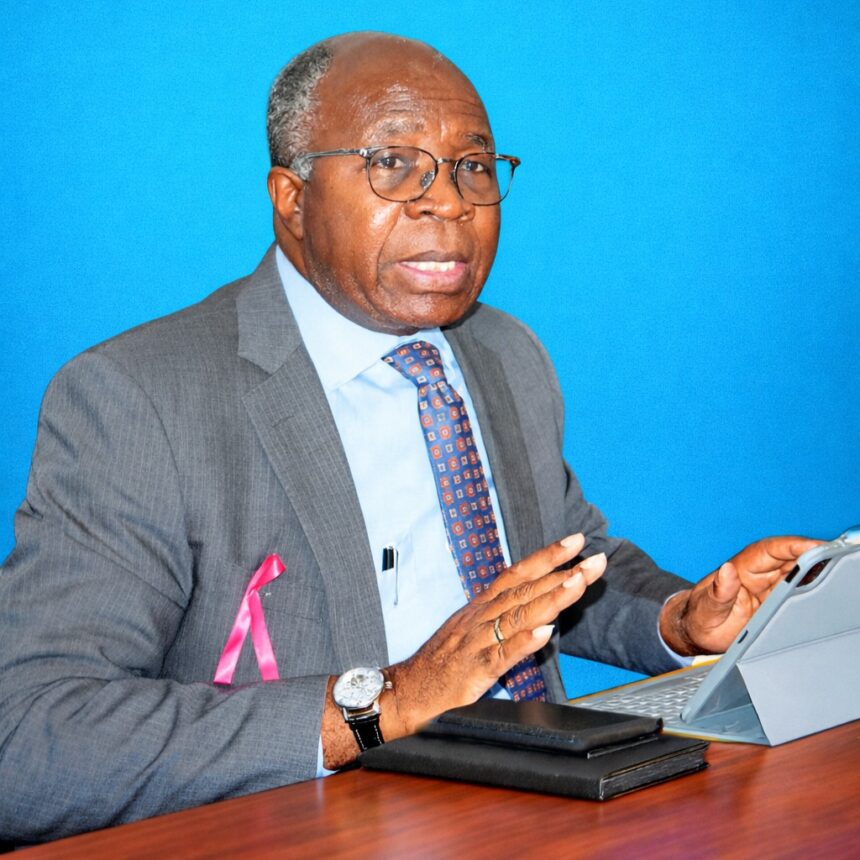
Zambia’s fiscal management and development priorities came under scrutiny in the National Assembly after Finance and National Planning Minister Situmbeko Musokotwane addressed concerns about the disbursement of Constituency Development Funds. Speaking in response to a question from Stephen Kampyongo, the Minister clarified the government’s position on funding allocations across recent years. He confirmed that the full allocation of CDF was released in 2022, 2023, and again in 2025, reflecting a consistent commitment to supporting local development projects. However, he acknowledged that 2024 was an exception due to extraordinary circumstances. His explanation provided insight into how external shocks can influence national budgeting decisions.
The Constituency Development Fund plays a central role in Zambia’s decentralised development framework. It supports infrastructure, education, health services, and community-driven initiatives at the local level. Full disbursement of these funds is often seen as a measure of government commitment to grassroots development. According to the Minister, the consistent release of CDF in multiple years demonstrates a strong policy direction focused on empowering constituencies. This funding model allows communities to address local challenges with targeted solutions. It also helps stimulate economic activity in underserved areas.
The interruption in full funding during 2024 was directly linked to a severe drought that affected large parts of the country. Dr Musokotwane explained that the government had to redirect financial resources to address urgent national needs arising from the crisis. Drought conditions placed pressure on food security, energy supply, and overall economic stability. In such situations, governments often face difficult trade-offs between planned development spending and emergency response. The decision to divert funds reflects an attempt to stabilise the broader economy during a period of stress. This shift highlights the impact of climate-related events on fiscal planning.
In his response, the Minister made it clear that the funds not disbursed in 2024 would not be released at a later stage. He stated that the money had already been redirected to other priority areas, making it unavailable for future CDF allocation. This position indicates a firm approach to budget execution, where funds are reallocated based on immediate national needs rather than deferred commitments. While this may raise concerns at constituency level, it also underscores the importance of flexibility in public finance management. The government’s stance suggests that addressing urgent challenges takes precedence over maintaining original budget plans.
The drought that affected Zambia in 2024 had wide-reaching consequences beyond agriculture. Reduced water levels impacted hydroelectric power generation, leading to energy shortages that affected businesses and households. Food production declines increased the need for imports and social support programs. These pressures required rapid government intervention, often at significant financial cost. By reallocating funds, the government aimed to mitigate the worst effects of the crisis. This approach reflects a broader strategy of prioritising national stability during emergencies.
Despite the setback in 2024, the return to full CDF disbursement in 2025 signals a recovery in fiscal capacity. It suggests that the government has regained enough stability to resume planned development spending. This recovery is important for restoring confidence among local communities that depend on these funds. It also indicates that the economic impact of the drought, while significant, was managed to allow a return to normal budget operations. Continued full disbursement will be critical in maintaining development momentum across constituencies. It will also help address projects that may have been delayed during the funding gap.
The exchange in the National Assembly highlights the ongoing balancing act between development and crisis management. Governments must allocate limited resources in ways that address both immediate needs and long-term goals. In Zambia’s case, the decision to divert CDF funds reflects a pragmatic response to an unexpected challenge. At the same time, it raises important questions about how to protect development funding from future disruptions. Strengthening resilience in public finance systems may become a key focus going forward. This includes building buffers to handle similar shocks without affecting essential programs.
Zambia’s experience with CDF disbursement during the drought year offers a clear example of how external factors can shape national policy decisions. The government’s explanation provides transparency on why certain commitments could not be met. It also reinforces the importance of adaptability in managing public resources. As climate-related challenges become more frequent, such decisions may become more common. The key challenge will be maintaining a balance between emergency response and sustained development.
The Minister’s statement in Parliament brings clarity to the issue while outlining the government’s priorities during a difficult period. The confirmation that full funding resumed in 2025 offers reassurance about the continuation of constituency-level projects. At the same time, the decision not to release the outstanding 2024 funds reflects the realities of managing limited resources under pressure. Moving forward, Zambia’s approach to budgeting will likely continue to evolve in response to both internal and external challenges. The discussion around CDF highlights the need for strong planning, transparency, and resilience in public finance management.