




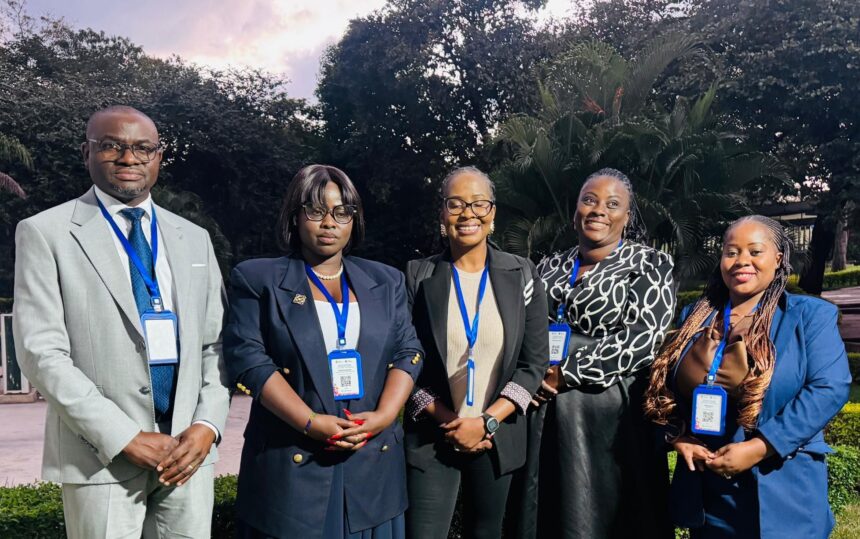
Officials from Zambia’s Ministry of Commerce, Trade and Industry are participating in a World Bank-organized Strategic Communication Workshop in Lilongwe alongside communication and project implementation experts from Zambia and Malawi. The workshop is aimed at strengthening communication systems surrounding World Bank-supported development programmes while promoting transparency, accountability and stronger public trust. By bringing together Project Implementation Units and line ministries from both countries, the gathering creates a platform for collaboration and regional learning. Government institutions are increasingly recognizing the importance of effective communication in ensuring that development initiatives are understood and supported by the public. The workshop comes at a time when public engagement and digital communication are becoming central to the success of national development programmes.
Representing the Ministry of Commerce, Trade and Industry at the workshop are Mr. Golden Makayi, Project Coordinator for the Zambia Agribusiness and Trade Project, and Ms. Everness Nankala, Principal Public Relations Officer at the ministry. Their participation reflects Zambia’s commitment to improving institutional communication and strengthening engagement with stakeholders across different sectors. The workshop sessions are focusing on practical communication strategies that can improve how governments share information with citizens and development partners. Topics being discussed include stakeholder engagement, reputational risk management, crisis communication and social media strategy. Participants are also learning how Artificial Intelligence tools can be used to improve communication effectiveness and streamline public information management. These discussions are expected to help institutions modernize their communication approaches in response to evolving digital trends.
One of the major goals of the workshop is to strengthen collaboration between government institutions and stakeholders in order to promote inclusive national development. Organizers believe that development programmes are more successful when citizens are informed, involved and able to understand the impact of public projects. The sessions are therefore encouraging participants to adopt communication strategies that prioritize transparency and accountability. Discussions are also examining how institutions can communicate development results in ways that are relatable and easy for communities to understand. This includes the use of storytelling techniques that highlight the real-life benefits of development projects rather than relying only on technical reports and statistics. By improving communication practices, governments can strengthen public trust and encourage greater participation in development initiatives.
The workshop is also providing an important opportunity for peer learning and knowledge exchange between Zambian and Malawian institutions. Participants are sharing experiences and discussing common challenges faced in communicating large-scale development programmes. This regional collaboration is expected to improve institutional learning and strengthen partnerships between the two countries. The inclusion of sessions on crisis communication and reputational risk management reflects the growing need for institutions to respond quickly and effectively to public concerns and misinformation. In the digital age, information spreads rapidly through social media platforms, making strategic communication more important than ever. The workshop is therefore helping participants develop skills that can improve public confidence while protecting the credibility of institutions and development projects.
Ms. Everness Nankala stated that the training is helping strengthen the Ministry’s capacity to communicate its mandate, national priorities and development programmes more effectively. According to her, strong communication systems are essential for supporting trade facilitation and sustainable development goals. She emphasized that the ministry remains committed to improving communication structures that enhance stakeholder engagement and public awareness. Her remarks highlight the growing recognition that communication is not only a support function but also a critical part of development implementation. Clear communication allows citizens, businesses and development partners to better understand government initiatives and their intended outcomes. It also helps create stronger relationships between institutions and the communities they serve.
The World Bank Strategic Communication Workshop in Lilongwe demonstrates the increasing importance of communication in achieving sustainable development outcomes. As governments continue implementing projects aimed at economic growth and social progress, effective communication remains essential for building transparency, accountability and public trust. The collaboration between Zambia and Malawi highlights the value of regional cooperation and shared learning in strengthening institutional capacity. Through discussions on Artificial Intelligence, stakeholder engagement and crisis communication, participants are gaining practical tools that can improve the delivery and visibility of development programmes. The workshop ultimately reinforces the idea that informed and engaged citizens are essential to successful and inclusive national development.