







The revitalisation of the Tanzania-Zambia Railway Authority (TAZARA) Railway is expected to play a significant role in unlocking Zambia’s economic potential by improving transport infrastructure, supporting regional trade and creating new opportunities for key industries. According to Chinese Ambassador to Zambia Han Jing, the project will strengthen regional connectivity while helping Zambia maximize the value of its agricultural and mining sectors. The railway has long been regarded as one of the most important transport corridors in Southern Africa, connecting Zambia to the Port of Dar es Salaam in Tanzania. Modernising this critical infrastructure is expected to improve the movement of goods, reduce transportation costs and increase the country’s competitiveness in regional and international markets. The project also reflects the continued cooperation between Zambia and China under their long-standing strategic partnership.
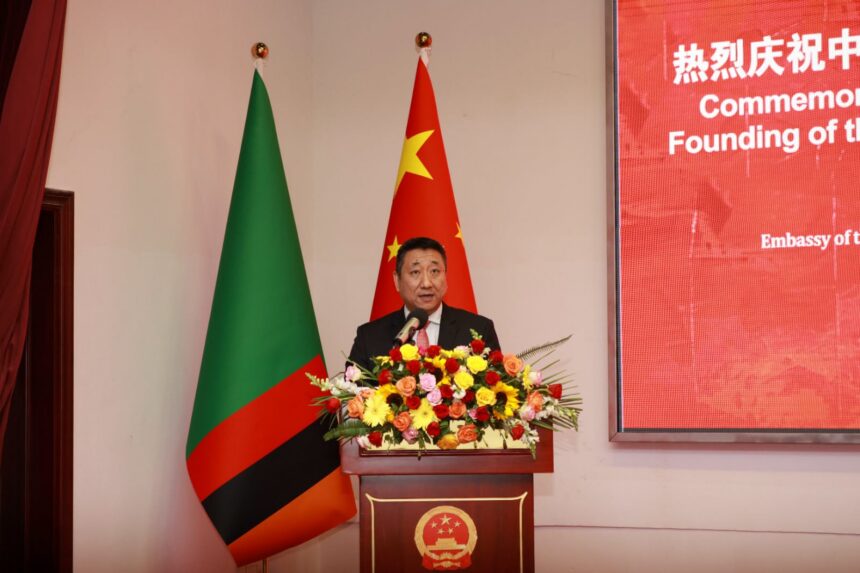
Speaking during a reception in Lusaka to commemorate the 99th anniversary of the founding of the Chinese People’s Liberation Army, Ambassador Han highlighted the importance of the TAZARA Railway revitalisation project for Zambia’s future development. He explained that improving railway infrastructure would strengthen regional connectivity and contribute to sustainable economic growth across Southern Africa. Efficient transport systems are essential for supporting trade, attracting investment and facilitating the movement of agricultural products, minerals and manufactured goods. By enhancing one of the region’s most important transport links, the project is expected to create broader economic opportunities for businesses and communities. Ambassador Han emphasized that improved infrastructure remains one of the foundations of long-term economic development.
The TAZARA Railway has historically played a vital role in connecting Zambia, a landlocked country, to international markets through Tanzania’s coastline. Since its construction, the railway has provided an important export route for copper, agricultural commodities and other products destined for overseas markets. Over the years, however, aging infrastructure and operational challenges have reduced its efficiency and competitiveness. The revitalisation project aims to modernize railway operations, improve reliability and increase cargo capacity to meet the demands of today’s economy. A stronger railway network is expected to benefit not only Zambia but also neighboring countries that depend on efficient regional transport corridors.
Ambassador Han noted that the revitalised railway would help unlock Zambia’s vast agricultural potential by providing farmers with better access to domestic and international markets. Agriculture remains one of Zambia’s most important economic sectors, employing a significant portion of the population while contributing to food security and export earnings. Reliable transport infrastructure allows farmers to move produce more efficiently, reducing delays and minimizing post-harvest losses. Lower transportation costs can also improve profitability while making Zambian agricultural products more competitive in export markets. Improved logistics are expected to encourage increased production and greater investment throughout the agricultural value chain.
The mining industry is also expected to benefit substantially from the railway upgrade. Zambia is one of Africa’s leading copper producers, and the mining sector remains a major source of government revenue, employment and foreign exchange earnings. Efficient rail transport enables mining companies to move large volumes of minerals at lower costs compared to road transport. Improved railway services can reduce congestion on highways while enhancing the overall efficiency of mineral exports. By strengthening transport links, the revitalisation project is expected to support continued growth in Zambia’s mining sector and reinforce its position as a major global supplier of critical minerals.
In addition to infrastructure development, Ambassador Han highlighted China’s zero-tariff policy for products originating from African countries, describing Zambia as one of the key beneficiaries of the initiative. The policy is designed to improve market access for African exports by eliminating tariffs on qualifying products entering China. Easier access to one of the world’s largest consumer markets presents significant opportunities for Zambian producers across multiple industries. Agricultural products, processed foods and manufactured goods could all benefit from improved trade conditions under the policy. Increased exports have the potential to generate higher incomes for businesses while contributing to national economic growth.
According to Ambassador Han, the zero-tariff policy will create valuable opportunities for both farmers and manufacturers in Zambia. Agricultural producers will have greater potential to expand exports of crops and processed food products to Chinese consumers. Manufacturers may also benefit from increased demand for locally produced goods, encouraging investment in production facilities and industrial development. Expanding exports can help diversify Zambia’s economy by reducing dependence on a limited number of export commodities. Stronger trade relationships also create opportunities for technology transfer, skills development and increased business collaboration between the two countries.
Ambassador Han reaffirmed China’s commitment to implementing agreements reached between President Hakainde Hichilema and Chinese President Xi Jinping. He stated that both countries remain focused on expanding cooperation across a range of strategic sectors that contribute to national development. These include infrastructure, agriculture, trade, healthcare and defence, all of which play important roles in strengthening bilateral relations. Continued collaboration is expected to support economic growth while promoting knowledge sharing and long-term investment. The ambassador also noted that military cooperation would continue to develop alongside broader diplomatic and economic partnerships.
Zambia and China currently maintain a Comprehensive Strategic and Cooperative Partnership, reflecting decades of close diplomatic and economic relations. The partnership has resulted in cooperation on major infrastructure projects, investment initiatives and development programs that have contributed to Zambia’s growth. Continued collaboration demonstrates both countries’ commitment to pursuing mutually beneficial opportunities while addressing shared development priorities. Strong bilateral ties also create a foundation for expanding trade, investment and technical cooperation in the years ahead. As global economic conditions continue to evolve, partnerships built on long-term cooperation remain increasingly important.
The revitalisation of the TAZARA Railway represents more than an infrastructure project because it has the potential to transform trade, agriculture and mining while strengthening regional integration across Southern Africa. Combined with China’s zero-tariff policy and broader bilateral cooperation, the initiative could open new opportunities for Zambian businesses, farmers and manufacturers seeking to expand into international markets. Ambassador Han’s remarks reinforce the importance of sustained collaboration between Zambia and China in advancing shared economic goals. As both countries continue implementing agreements reached by their leaders, investment in infrastructure and trade is expected to support long-term development and improved regional connectivity. The ongoing partnership positions Zambia to take greater advantage of its natural resources, agricultural capacity and strategic location while contributing to stronger economic growth across the region.