






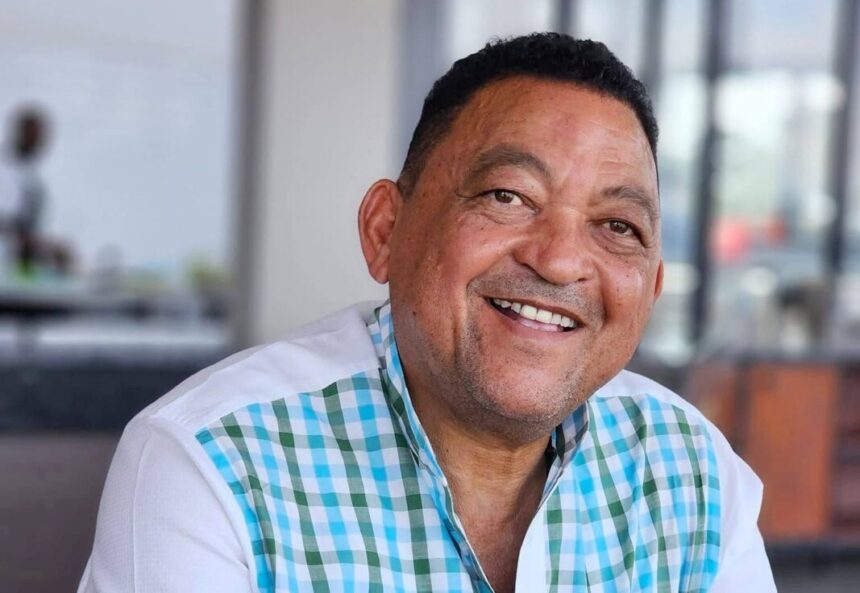
The Human Rights Commission of Zambia has raised serious concerns over the continued detention of prominent Lusaka businessman Valden Harry Findlay and 16 other individuals during the period surrounding the country’s general election. The commission says the Zambia Police Service and other security agencies must uphold the rule of law and protect the fundamental rights of people in custody, regardless of their political connections or the sensitivity of their cases. The intervention came in a statement issued ahead of polling day, as the commission monitored several election-related arrests and detentions. Human Rights Commission chairperson Dr Pamela Sambo said officers were actively following a cluster of cases involving politicians, supporters, journalists and other public figures. The concerns have placed renewed attention on the treatment of suspects and the need for security agencies to comply with Zambia’s constitutional and legal requirements.
Sambo said the commission was monitoring cases involving several prominent individuals, including Xavier Chungu, Daniel Makina, MacPherson Mukuka and musician Chester, as well as supporters of the NRPUP. Ambassador Martha Lungu, Hannah Isreal Katontoka and Findlay were also among those whose continued detention had attracted the commission’s attention. According to the commission, its intervention was prompted by complaints and information concerning arrests and detentions during the election period. The HRC’s monitoring is intended to establish whether individuals in custody are receiving the protections guaranteed under Zambian law and international human rights standards. The commission’s involvement highlights the importance of independent oversight when security measures and individual rights intersect during politically sensitive periods.
One of the concerns specifically raised by Sambo involved the commission’s difficulty in accessing Findlay and three other people who were being held alongside him. She said Human Rights Commission officers had not received the cooperation they needed from the Zambia Police Service to gain access to the detainees and assess compliance with minimum human rights standards. The commission described the situation as concerning because monitoring access is an important part of its mandate to assess whether people in custody are being treated lawfully. Sambo said the lack of cooperation was preventing officers from carrying out their responsibilities in relation to the individuals concerned. The issue has therefore become part of the commission’s wider call for security agencies to cooperate with human rights monitoring mechanisms.
The Human Rights Commission also called on the Zambia Police Service and the Drug Enforcement Commission to respect the due process rights of people arrested during the election period. Sambo stressed that election-related arrests, investigations and prosecutions must comply with established legal procedures. She said the right to personal liberty and protection from arbitrary arrest and detention are guaranteed by Zambia’s Constitution as well as international legal standards. These protections apply even when authorities are investigating allegations that may have political or public significance. The commission’s position is that the sensitivity of an election period cannot remove the legal safeguards that protect suspects from unlawful or arbitrary detention.
Among the safeguards highlighted by Sambo are the presumption of innocence, access to legal representation, prompt notification of charges and timely appearance before a court. She said these protections are guaranteed under Article 18 of the Constitution of Zambia and should be respected throughout the criminal justice process. The presumption of innocence means that an individual should not be treated as guilty before a court has determined the case. Access to legal representation also gives suspects an opportunity to understand the allegations against them and respond through appropriate legal channels. Prompt notification of charges and timely court appearances are similarly important because they prevent suspects from being held indefinitely without judicial oversight.
The commission said its concerns extend beyond the cases involving Findlay and the other named individuals. According to Sambo, the HRC has been monitoring arrests and detentions involving political candidates, political supporters, journalists and other actors after receiving complaints from members of the public and affected parties. This broader monitoring suggests that the commission is examining whether there is a wider pattern in the way election-period arrests are being handled. The HRC’s preliminary investigations have raised particular concern about the length of time some suspects have spent in custody. Sambo said the commission had found that the suspects under review had been detained for periods exceeding the prescribed 24-hour period within which a suspect may be held without being brought before a court of competent jurisdiction.
The 24-hour requirement highlighted by the commission is significant because judicial oversight provides an important safeguard against unlawful detention. When a person remains in custody beyond the legally prescribed period without being brought before a court, questions can arise about whether the authorities have complied with constitutional protections. The commission’s preliminary findings therefore add pressure on law enforcement agencies to ensure that arrest and detention procedures remain within the boundaries established by law. The HRC has not suggested that the individuals under investigation are automatically free from criminal liability, but it has stressed that allegations must be handled through lawful procedures. The distinction is important because respecting due process does not prevent authorities from investigating or prosecuting suspected offences when they have lawful grounds to do so.
The commission’s statement did not identify a specific offence connected to Findlay’s detention and did not provide a timeline for when the businessman and the other detainees might be granted access by HRC officers or appear before court. At the time of the statement, police had also not issued a public response to the concerns raised by the commission. This leaves important questions about the circumstances of the detention and the next steps in the cases under review. The absence of further information means that claims about the allegations against the detainees should be treated carefully until competent authorities provide verified details. The HRC’s intervention, however, makes clear that it expects security agencies to follow established legal safeguards while investigations continue.
The concerns raised by the Human Rights Commission form part of a wider debate about the protection of rights and the conduct of institutions during Zambia’s election period. Other election monitoring concerns have also been reported, including issues raised separately by Transparency International Zambia regarding polling-day irregularities. Lawyers involved in an unrelated Copperbelt copper-theft case have also raised concerns about suspects allegedly being held beyond the constitutionally permitted period without appearing in court. Although these cases involve different circumstances, they have contributed to broader scrutiny of detention practices and adherence to due process. The developments underline the importance of ensuring that security and justice institutions remain accountable while responding to complaints and allegations during politically sensitive periods.
The Human Rights Commission’s intervention ultimately places the protection of constitutional rights at the centre of discussions surrounding election-related arrests and detention in Zambia. The commission has called on security agencies to respect personal liberty, prevent arbitrary detention and ensure that suspects receive the procedural protections provided by law. Its concerns over Valden Findlay and 16 other individuals remain subject to the facts and legal developments that emerge from the relevant cases. Authorities have a responsibility to investigate legitimate allegations while ensuring that every suspect receives due process and access to the courts within the required legal framework. As Zambia moves through the post-election period, continued respect for the rule of law, judicial oversight and human rights protections will remain essential to public confidence in the country’s institutions.