






Zambia has recorded a major public health milestone after successfully completing Round 1 of its national polio vaccination campaign with 100 percent coverage of the targeted population. The achievement marks a significant step in the country’s ongoing efforts to eliminate polio and strengthen child health systems across all communities. More than 3.8 million children were reached during the campaign, reflecting strong coordination between the Ministry of Health and its cooperating partners. Health officials say the result demonstrates improved planning, community mobilisation and delivery of essential vaccines even in hard-to-reach areas. The success is being viewed as a positive signal for Zambia’s broader immunisation strategy, which aims to ensure that no child is left unprotected against preventable diseases.
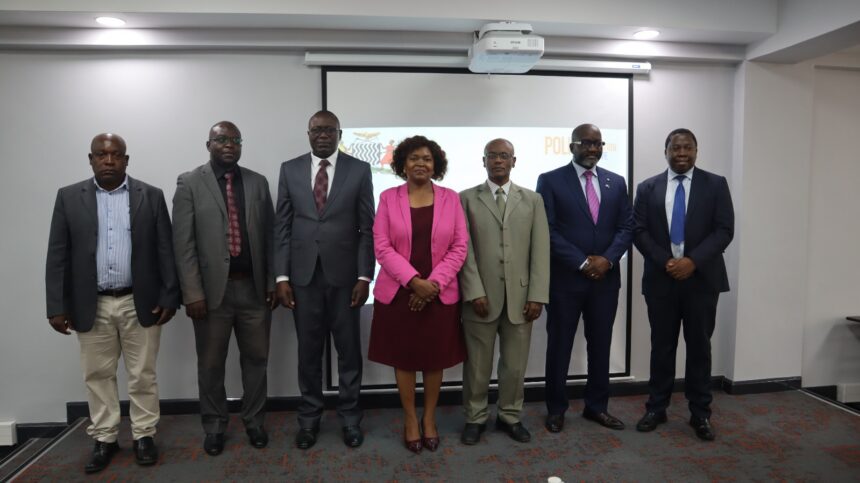
The review meeting this week brought together government officials, development partners and health agencies to assess the outcomes of the campaign and outline the next steps in sustaining immunisation gains. UNICEF Zambia Chief of Health Atnafu Getachew Asfaw praised the achievement, thanking the government and partners for their commitment to reaching millions of children across the country. He emphasised that while the 100 percent target achievement is commendable, the fight against polio is not yet over until every child is fully protected. His remarks highlighted the importance of maintaining momentum and ensuring that vaccination efforts remain consistent and inclusive. Health experts at the meeting agreed that continued vigilance is necessary to prevent any resurgence of the virus.
Acting Permanent Secretary in the Ministry of Health, Matilda Kakungu Simpungwe, also welcomed the successful outcome of Round 1 and described it as a reflection of a well-functioning health delivery system. She noted that the achievement was made possible through the dedication of frontline healthcare workers who worked tirelessly to reach eligible children across urban and rural communities. Dr Simpungwe also acknowledged the critical role played by international partners such as the World Health Organization and UNICEF in supporting logistics, planning and community outreach. She said the results show that coordinated efforts between government and partners can deliver strong public health outcomes when systems are well aligned. The Ministry of Health has reaffirmed its commitment to strengthening immunisation coverage across all districts in the country.
Moving forward, Zambia has outlined a clear strategy to sustain and expand its immunisation progress by focusing on several key priorities. These include maintaining high-quality polio vaccination campaigns, strengthening routine immunisation services and improving access to vaccines for all children, including those in remote and underserved areas. Health authorities are also prioritising Risk Communication and Community Engagement to ensure that families understand the importance of vaccination and actively participate in immunisation programmes. This approach is designed to reach zero-dose children and ensure that those who missed previous doses are fully caught up. In addition, the government is strengthening data monitoring systems to improve tracking, planning and response capacity across all levels of the health system.
A key focus of the next phase will be reaching children in hard-to-access regions and mobile populations who may not have been fully covered during previous campaigns. Health officials have stressed that equitable access to vaccines remains central to Zambia’s goal of eliminating polio and preventing other vaccine-preventable diseases. Partners involved in the Global Polio Eradication Initiative have also reaffirmed their support for continued collaboration until every child is protected. UNICEF and other stakeholders have expressed commitment to sustaining technical and financial assistance to ensure long-term success. The coordinated response highlights the importance of partnership-driven health interventions in strengthening national resilience.
The successful completion of Round 1 of the polio vaccination campaign represents a strong foundation for Zambia’s ongoing public health efforts. It demonstrates that with effective coordination, strong political will and community engagement, large-scale immunisation programmes can achieve full coverage targets. However, health leaders continue to stress that sustained effort is necessary to maintain these gains and prevent future outbreaks. The focus now shifts to ensuring that routine immunisation systems remain strong and that no child is missed in future campaigns. As Zambia continues its journey toward full polio eradication, the commitment of government, partners and communities will remain central to protecting children and securing a healthier future for all.